What Boston's Auction Block Is Telling Us About Affordable Housing's Future
Shrinking clearance rates and distressed sales in outer neighborhoods signal a widening affordability crisis that policy alone cannot solve.
Shrinking clearance rates and distressed sales in outer neighborhoods signal a widening affordability crisis that policy alone cannot solve.

Boston's property auction results this quarter are painting an uncomfortable picture for those banking on market forces to solve the city's affordable housing shortage. Recent data from foreclosure and distressed-asset sales across Dorchester, Mattapan, and Hyde Park show clearance rates below 65%—the lowest in seven years—while median hammer prices in these neighborhoods have stalled or declined despite the broader $780,000 citywide median holding steady.
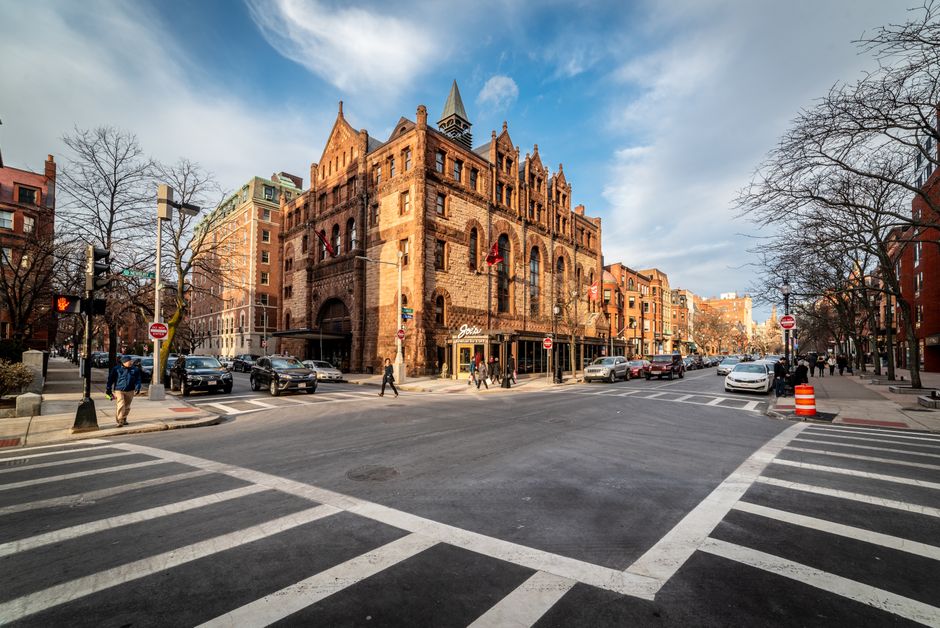
The divergence is telling. Beacon Hill and Back Bay continue to command premium valuations, with properties on Charles Street and Louisburg Square barely touching the market. Meanwhile, auctions in Jamaica Plain and along the Dorchester Avenue corridor are seeing extended holding periods and steeper discounts, suggesting investor appetite has cooled precisely where affordable units are most needed.
"When auction clearance drops below 70%, it signals market stress in the segments where first-time buyers and working families operate," says a housing economist tracking the sector. What's emerging is a two-tier market: affluent enclaves remain resilient, while neighborhoods that could absorb new affordable stock are showing weakness—a dynamic that makes private development economics harder and makes the case for public intervention stronger.
The Boston Planning & Development Agency's recent zoning votes underscore the urgency. Proposals for mixed-income development on formerly industrial sites in South Boston and along the Inner Belt have gained momentum partly because auction data demonstrates that market-rate speculation alone isn't filling the gap. The city's recent adjustments to inclusionary zoning requirements reflect a recognition that without policy teeth, neighborhood-level price signals will continue to price out teachers, nurses, and service workers.
What's particularly significant: recent distressed sales in Cambridge near Central Square and in Somerville's Union Square cluster suggest that even university-adjacent neighborhoods are experiencing liquidity stress. These areas, long considered reliable investment zones, are showing the same hesitation seen further out.
Policy conversations at City Hall have shifted. Rather than waiting for market correction, officials are modeling scenarios around community land trusts, deed restrictions, and municipal acquisition funds. The auction data validates this pivot. When private capital is unwilling to clear inventory at prices that would support workforce housing, the invisible hand isn't pointing toward solution—it's pointing toward the need for visible policy.
The message from June's auction results is clear: Boston's affordability crisis won't resolve itself through market mechanics. The price signals are screaming it.
This article was compiled by AI from the sources linked above and screened before publishing. See our editorial standards.
How does this story make you feel?
Spread the word
About this article
Published by The Daily Boston
Daily brief
Free, in your inbox before 7am. Weekdays.
More in Property