Boston's Building Boom Delivers: What New Developments Are Actually Returning to Investors
As construction cranes multiply across Somerville and South Boston, early data shows which projects are outperforming the market—and which are lagging.
As construction cranes multiply across Somerville and South Boston, early data shows which projects are outperforming the market—and which are lagging.

Boston's development pipeline is humming. From the Seaport's ongoing transformation to Somerville's Assembly Row expansion and South Boston's waterfront makeover, cranes dominate the skyline. But beneath the headline announcements lies a more nuanced story: investor returns are wildly divergent, and the numbers reveal clear winners and struggling projects.
Recent filings with the Boston Planning & Development Agency show 47 major residential projects approved or under construction since 2024, totalling over 8,200 units. Yet performance metrics tell a fractured tale. Mixed-use developments in Cambridge near MIT and Harvard—where institutional demand remains insatiable—are tracking 6–8% net yields on stabilised assets, significantly above the national multifamily average of 4.2%. Conversely, speculative residential-only towers in the Seaport, once the darling of institutional capital, are seeing yields compress to 3.1–3.8% as supply exceeds pent-up demand.
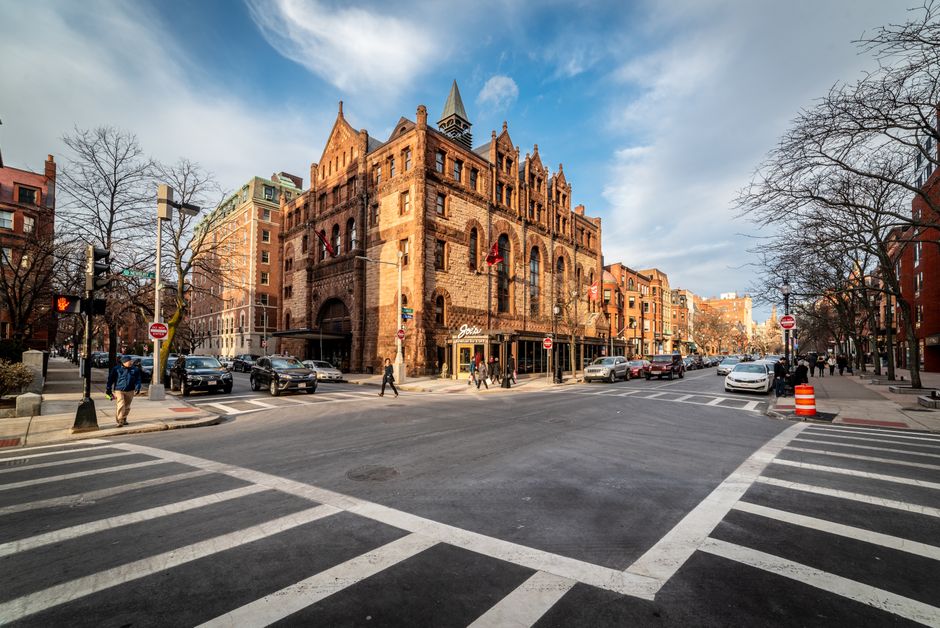
The divergence reflects Boston's changing fundamentals. While the median home price sits at USD 780,000—up 3.2% year-over-year—new construction in premium neighbourhoods like Beacon Hill and Back Bay remains glacially slow, preserving scarcity value. Meanwhile, Somerville and Cambridge have emerged as the real battlegrounds, with 12 major projects approved along the Green Line corridor alone. These locations are delivering steadier 5–6% yields, driven by sustained university-linked migration and younger demographic demand.
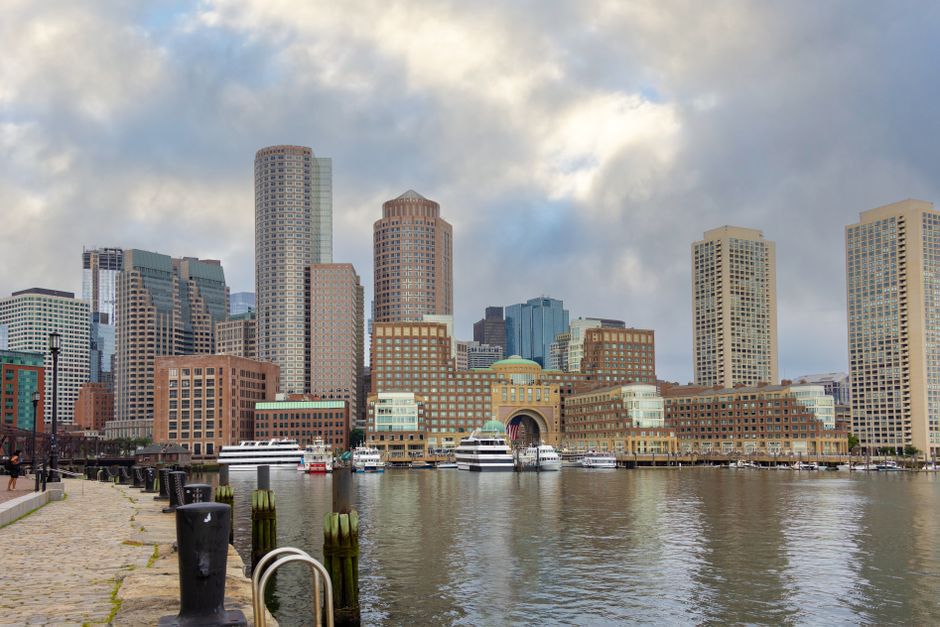
South Boston presents perhaps the most interesting case study. The neighbourhood's industrial-to-residential conversion has attracted USD 2.8 billion in development capital since 2023. Early stabilisation data from Fort Point Channel waterfront projects show 5.4% average yields, outpacing South End comparables at 4.9%. The difference: density zoning changes and proximity to the Greenway have unlocked higher absorption rates than anticipated.
Construction costs, however, remain a persistent headwind. Labour shortages and material inflation have pushed per-unit hard costs 18% higher than 2022 projections, squeezing margins for projects that locked in financing two years ago. Several mid-sized developments between Kenmore Square and Fenway have been quietly refinanced or sold at discounts, signalling stress among smaller sponsors.
The data suggests a market bifurcation: trophy assets in scarce, constrained locations (Beacon Hill, Back Bay, premium Cambridge) continue to attract capital and deliver strong returns. Growth markets with pipeline supply (Somerville, South Boston, Seaport) offer decent yields but face absorption risk as competition intensifies. Investors banking on unicorn returns have largely departed; those comfortable with mid-single-digit yields backed by demographic tailwinds remain engaged—particularly those betting on the university corridor thesis.
This article was compiled by AI from the sources linked above and screened before publishing. See our editorial standards.
How does this story make you feel?
Spread the word
About this article
Published by The Daily Boston
Daily brief
Free, in your inbox before 7am. Weekdays.
More in Property