Boston's luxury property market has entered a new phase. As the city's median home price hovers around $780,000, a wave of prestige developments is fundamentally reshaping the geography of wealth in New England's most competitive real estate market.
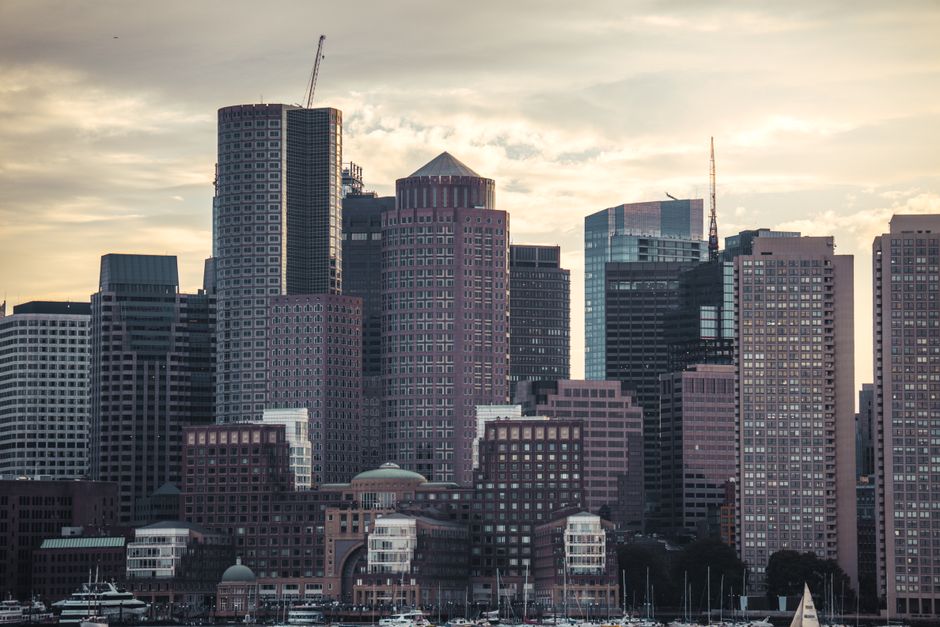
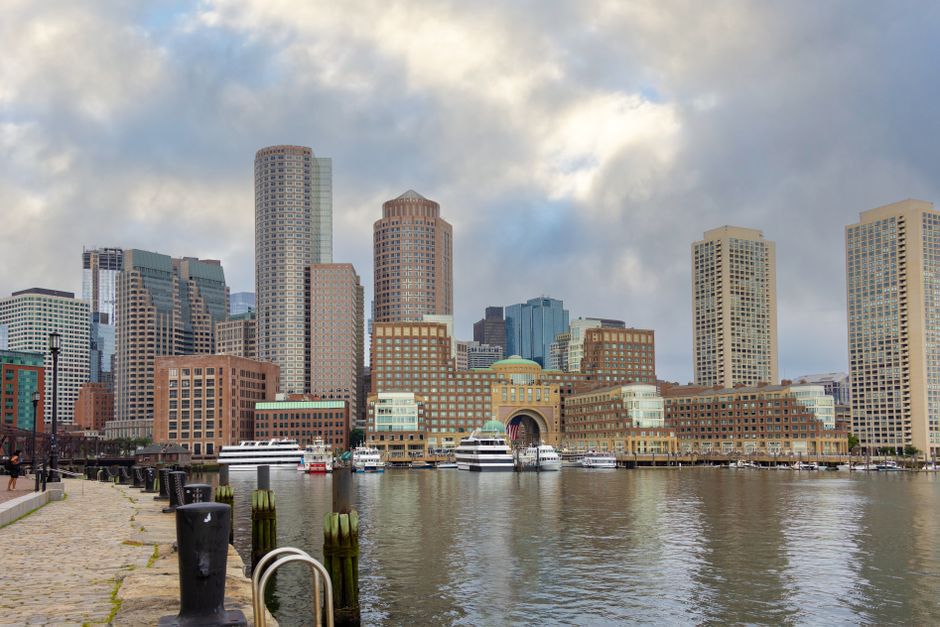
The transformation is most visible in the Seaport District, where glass-and-steel towers continue to punctuate the harborfront skyline. Several mixed-use developments currently under construction promise penthouses with museum-quality finishes, private spa amenities, and direct water access—a combination that commands eight-figure price tags. These aren't simply residential projects; they're lifestyle statements designed to compete with offerings in New York and Miami.
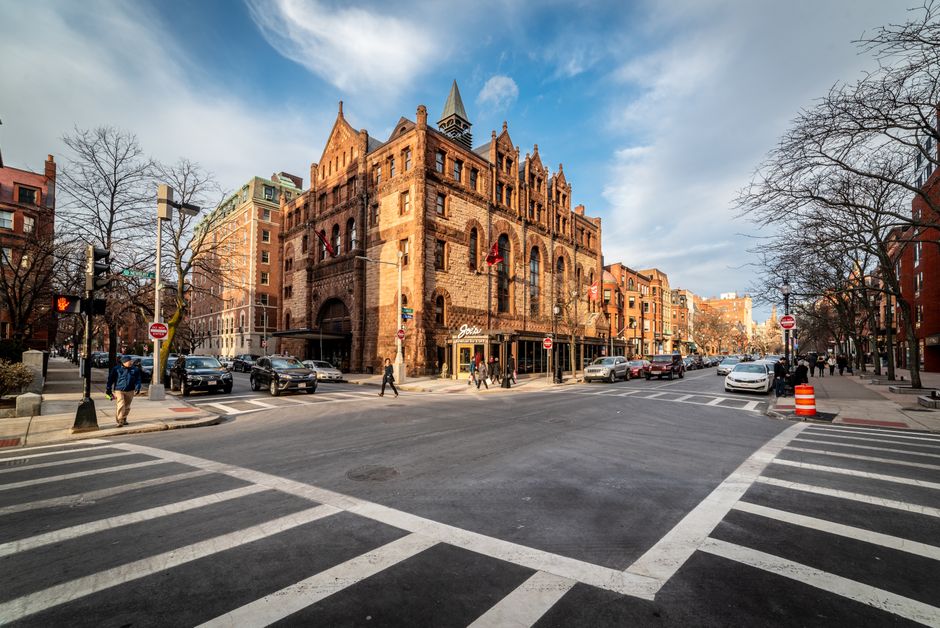
But the action extends beyond the obvious waterfront play. The Back Bay and Beacon Hill periphery—streets radiating from Charles Street and extending toward Massachusetts Avenue—are witnessing careful infill development. Rather than towering structures, developers here are pursuing discreet luxury: boutique residential buildings that respect neighborhood character while offering contemporary interiors, rooftop terraces, and concierge services. This approach acknowledges the premium these historic neighborhoods command while satisfying modern expectations.
South Boston's transformation tells a different story. Five years ago, this neighborhood traded at a steep discount to nearby Back Bay. Today, rapidly completing projects near Fort Point Channel are attracting serious money. New developments targeting empty-nesters and young professionals with high disposable income have effectively raised the district's status. Penthouses in recently completed buildings here now approach $3 million—a trajectory that would have seemed impossible a decade ago.
Cambridge and Somerville, traditionally academic communities, are experiencing their own revaluation. Harvard University's ongoing campus expansion and MIT's institutional investments have sparked private development. Several luxury projects near Central Square and Porter Square are attracting Boston professionals seeking proximity to Cambridge's cultural institutions without downtown price tags, though gaps are narrowing.
What do these developments mean for the market? First, they're establishing new price ceilings. The days of $2 million being exceptional for Boston luxury appear over. Second, they're fragmenting the luxury market geographically—buyers can now choose between Seaport maximalism, Beacon Hill restraint, or South Boston ambition.
Finally, these projects signal developer confidence in Boston's staying power. Unlike speculative bubbles, these are long-term bets on the city's institutional strength, educational prestige, and employment base. For investors watching Boston's real estate evolution, the message is clear: the prestige market isn't consolidating in one neighborhood. It's multiplying across the city.
This article was compiled by AI from the sources linked above and screened before publishing. See our editorial standards.