Boston Renters: Discover the 8 Best Neighborhoods for 2026
From the brownstones of South End to the waterfront of East Boston, a neighborhood-by-neighborhood guide to renting in New England's capital.
From the brownstones of South End to the waterfront of East Boston, a neighborhood-by-neighborhood guide to renting in New England's capital.
Boston remains one of the most expensive cities in the United States, with a median home price above $750,000 and one-bedroom apartments typically ranging from $2,700 to $3,200 per month as at mid-2026. But beyond the headline numbers, the city is a patchwork of neighborhoods that each deliver a very different lifestyle, commute, and price point. This guide breaks down the standout neighborhoods for renters and prospective residents, drawing on current rental data and local knowledge.
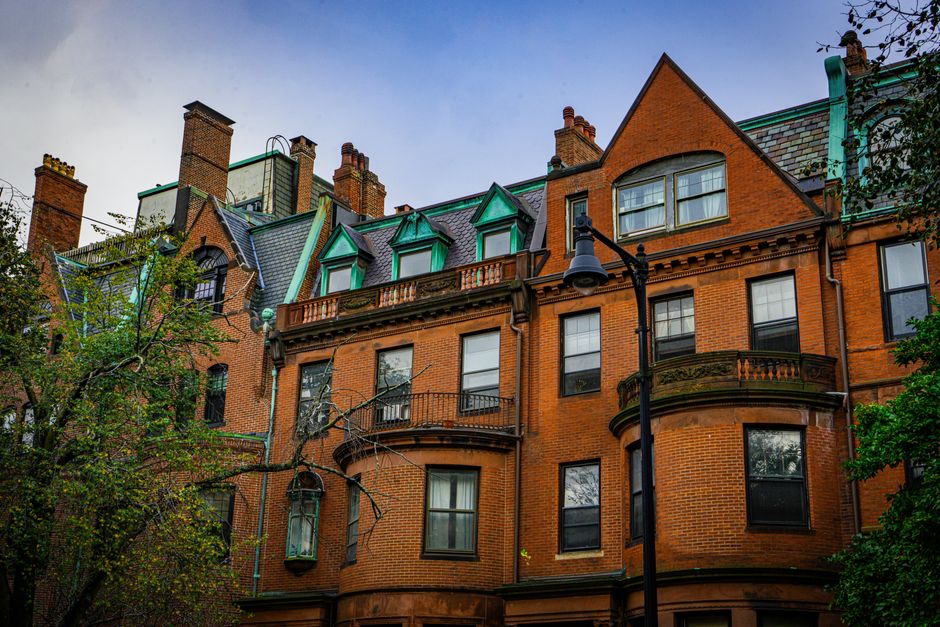
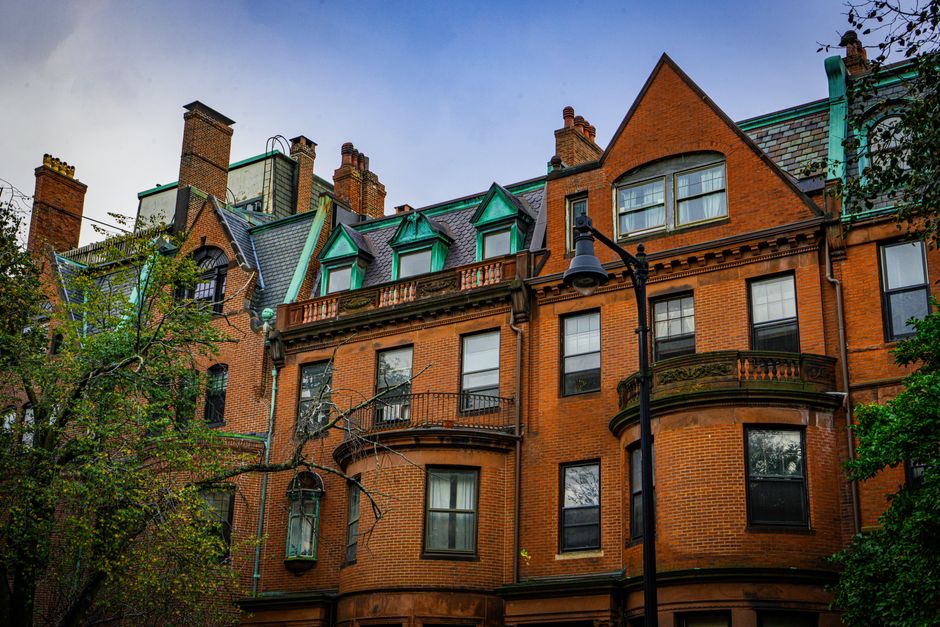
If you have ever scrolled through photos of Boston and wondered where all those immaculate Victorian brownstones live, the answer is the South End. Tree-shaded streets open onto some of the best dining in New England. The restaurant scene here is consistently ranked among the top in the city, anchored by a mix of upscale bistros and neighborhood wine bars.
One-bedroom rents in the South End sit between roughly $2,500 and $3,500 per month as at mid-2026, placing it firmly in the upper tier but not quite at the peak. The trade-off is walkability, character, and a genuine sense of community that many newer developments struggle to replicate.
The Seaport District is Boston's most expensive neighborhood by a comfortable margin. Glass-and-steel luxury towers, corporate headquarters, and a robust nightlife corridor define the area. If your budget can absorb the premium, the Seaport delivers a polished, corporate-chic lifestyle with harbor views and easy access to the convention center and Financial District.
Renters should expect to pay well above the citywide median for a one-bedroom here. The upside is modern amenities (concierge services, rooftop pools, coworking lounges) that older neighborhoods simply do not offer.
Jamaica Plain, universally known as JP, occupies a sweet spot that few Boston neighborhoods can match. It blends genuine urban energy with accessible green space, most notably the Arnold Arboretum and Jamaica Pond. Centre Street is the spine of the neighborhood, a walkable strip lined with locally owned restaurants, cafes, bookshops, and boutiques.
JP attracts a mix of young professionals, families, and long-time residents. One-bedroom rents range from approximately $2,000 to $2,800 per month as at mid-2026, making it one of the more accessible neighborhoods within city limits without sacrificing character or convenience.
Back Bay is the neighborhood that appears on every Boston postcard. Iconic brownstones line Commonwealth Avenue, Newbury Street delivers some of the best shopping in the Northeast, and the Charles River Esplanade provides a waterfront running and cycling path minutes from your front door.
Rents reflect the location. Back Bay commands prices comparable to the South End and, for larger units, can push toward Seaport territory. The neighborhood rewards residents with unmatched centrality: the Green Line, Copley Square, the Boston Public Library, and the Prudential Center are all within walking distance.
Allston-Brighton has long been defined by its proximity to Boston University and Boston College. The neighborhood draws a large student population, which keeps the food scene eclectic and the nightlife accessible. But Allston-Brighton is not just for undergrads. A growing number of young professionals are choosing the area for its relatively reasonable rents and good MBTA transit connections.
One-bedroom apartments average between $2,300 and $2,700 per month as at mid-2026. The housing stock skews toward older walk-ups and triple-deckers, so expect character over luxury. The Green Line B Branch runs through the heart of the neighborhood, connecting residents to downtown in roughly 20 minutes.
Technically its own city, Somerville sits immediately north of Boston and functions as a de facto Boston neighborhood for most practical purposes. It attracts a young, educated population drawn by lower rents, a thriving food and arts scene (Davis Square and Union Square are the main hubs), and the Green Line Extension, which has dramatically improved transit access since its completion.
One-bedroom rents in Somerville range from roughly $1,800 to $2,600 per month as at mid-2026, making it one of the most cost-effective options for people who work in Boston or Cambridge. The trade-off is a slightly longer commute, though the GLX has narrowed that gap considerably.
East Boston has undergone a quiet transformation. The Blue Line, widely regarded as the MBTA's most reliable line following 2025 infrastructure upgrades, connects the neighborhood to downtown in under 15 minutes. The real draw, though, is the skyline. East Boston offers arguably the best views of the Boston waterfront from its harborfront parks and residential towers.
Waterfront rents have become competitive, but the neighborhood still offers better value than the Seaport or Back Bay for comparable water proximity. A growing number of new developments are arriving, but older housing stock remains available at more accessible price points.
Cambridge sits across the Charles River and is home to Harvard University, MIT, and one of the densest concentrations of tech and biotech companies in the world. Rents are high, often matching or exceeding Boston proper, but the trade-off is an unmatched academic and professional community. Harvard Square and Central Square anchor the social life, while Kendall Square has become a global hub for life sciences and AI startups.
For professionals working in biotech, software, or academia, Cambridge can eliminate a commute entirely. For everyone else, it offers a distinctive atmosphere that feels intellectually charged in a way no other neighborhood in Greater Boston can replicate.
If your primary constraint is cost, Somerville and Jamaica Plain offer the best value relative to lifestyle. Allston-Brighton and East Boston are close behind.
Prioritize dining and walkability? South End or JP. Want luxury amenities and nightlife? Seaport. Need proximity to universities or tech employers? Cambridge or Allston-Brighton. Looking for waterfront living without Seaport prices? East Boston.
Boston's MBTA system is the primary transit network. The Blue Line (East Boston) and Green Line (Back Bay, Allston-Brighton) are the most relevant lines for commuters heading downtown. The Red Line serves Cambridge and Somerville. Factor in your workplace location before committing to a neighborhood.
Boston's rental market moves on a September cycle, driven by the academic calendar. Rents spike in the summer months as students compete for leases starting September 1. If flexibility allows, signing a lease in the off-season (November through February) can save hundreds per month.
This article was compiled by AI and screened before publishing. See our editorial standards.
How does this story make you feel?
Spread the word
About this article
Published by The Daily Boston
Daily brief
Free, in your inbox before 7am. Weekdays.
More in lifestyle