Moving to Boston Neighborhoods: Local Tips
Long-term Boston residents share insider tips on choosing neighborhoods. Discover why Jamaica Plain and Roxbury beat Back Bay for value.
Long-term Boston residents share insider tips on choosing neighborhoods. Discover why Jamaica Plain and Roxbury beat Back Bay for value.
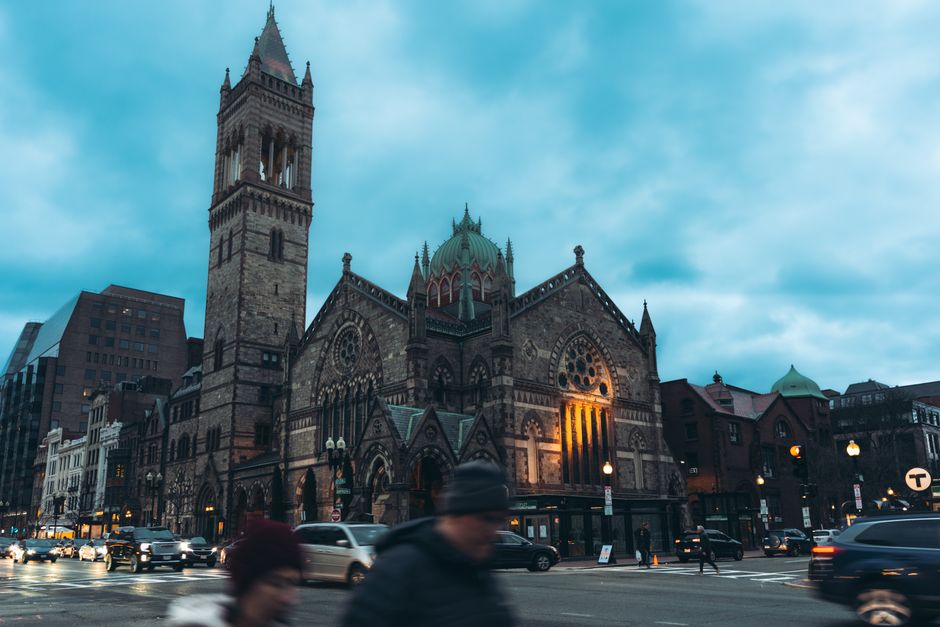
Boston's housing market moves fast, and newcomers often arrive with romantic notions shaped by campus tours or glossy real estate websites. But the people who've actually built lives here—the marketing executive who relocated from Austin three years ago, the engineer from Toronto, the grad school cohort that never left—they have a different story to tell.
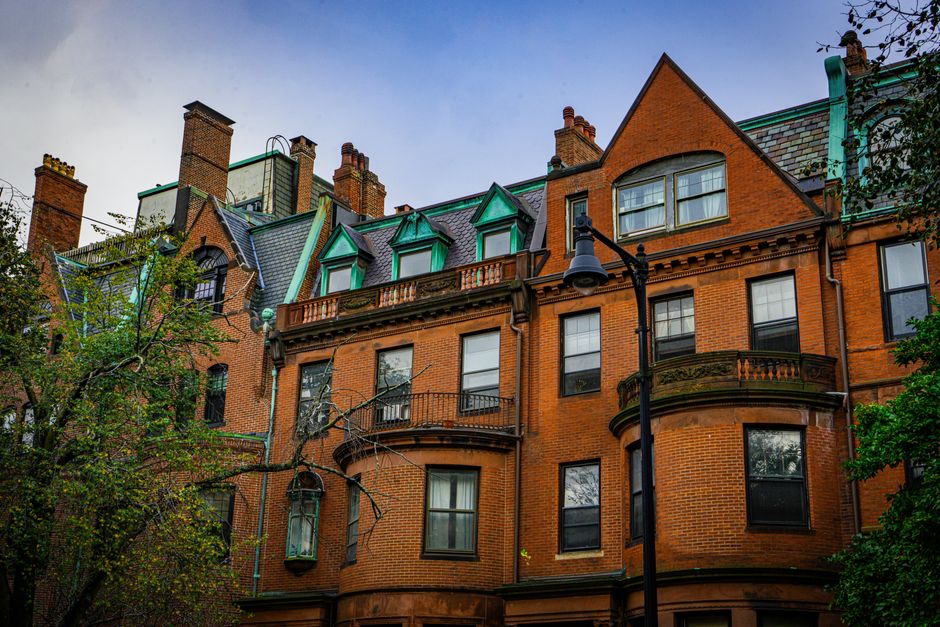
"Don't live where you think you should live," says the unofficial wisdom among the relocation community. The Back Bay and Beacon Hill neighborhoods carry prestige and proximity to Newbury Street's shops, but rent routinely exceeds $2,200 for a one-bedroom. Jamaica Plain and Roxbury offer authentic neighborhoods, thriving food scenes centered on Centre Street and Dudley Square, and more reasonable pricing—typically $1,600-$1,900 for comparable space. The 39-bus corridor connects directly downtown; the neighborhood trade-off is real but worthwhile, according to those who've made it.
Transportation requires reckoning. The MBTA's Green Line and Red Line serve downtown and universities, but service gaps plague outer neighborhoods. Locals repeatedly advise: budget for a car or resign yourself to 45-minute commutes. Zipcar memberships ($100-150 monthly) supplement transit for those unwilling to own. Cycling gains traction April through October, though winters punish fair-weather riders.
The food scene rewards exploration beyond the harbor. While Seaport's restaurants draw tourists, Chinatown (near Downtown Crossing) offers better value and authenticity. The Haymarket, Boston's oldest continuously operated public market, supplies produce at 40 percent below supermarket prices—locals know this. Weekend mornings at the Farmers Market on Hanover Street near the North End reveal produce from New England growers and a cross-section of the city's actual residents.
Winter preparation separates prepared newcomers from the unprepared. Arrive by September; purchase snow boots, a quality parka, and salt for your apartment steps before November. The city shuts down periodically—not from choice but necessity. Those who've weathered Boston winters recommend mental health seriously: seasonal affective disorder is real, and the $15 gym memberships at local YMCAs on Huntington Avenue and Cambridge Street become essential investments.
Finally, commit to your neighborhood's rhythm. Boston's distinct communities—Irish working-class, Italian North End enclaves, Caribbean communities in Roxbury, tech-driven Seaport transplants—don't naturally blend. Finding your people means showing up repeatedly: the same coffee shop, the local bar, the community board meetings. Transience is the default; residents who stay become known, welcomed, and ultimately connected. That distinction changes everything.
This article was compiled by AI and screened before publishing. See our editorial standards.
How does this story make you feel?
Spread the word
About this article
Published by The Daily Boston
Daily brief
Free, in your inbox before 7am. Weekdays.
More in lifestyle