Moving to Boston Guide: Neighborhoods & Tips
New to Boston? Find your ideal neighborhood, master the T, and build community. Complete relocation guide for arrivals from anywhere.
New to Boston? Find your ideal neighborhood, master the T, and build community. Complete relocation guide for arrivals from anywhere.
Moving to Boston is exciting—and overwhelming. Whether you've arrived from abroad or across the country, the city's steep learning curve demands a strategic approach. Here's what you actually need to do in your first weeks.
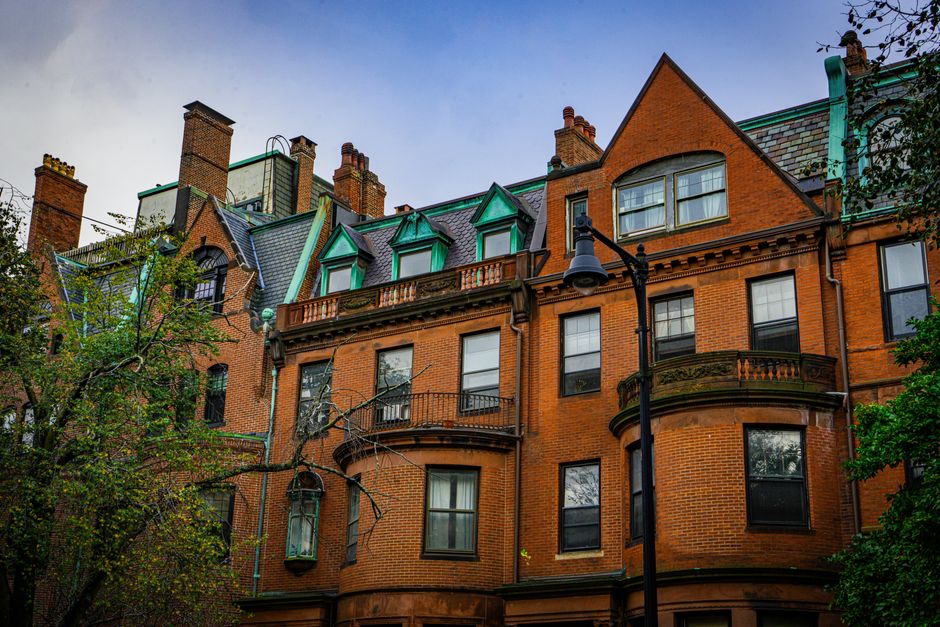
Lock down your neighborhood first. Boston's character lives in its neighborhoods, not downtown. Back Bay offers tree-lined Commonwealth Avenue and proximity to the Public Garden, though expect to pay $2,800–$3,400 monthly for a one-bedroom. Jamaica Plain attracts creative types with lower rents ($2,200–$2,800) and walkable Centre Street. Somerville's Davis Square, just over the border, delivers urban energy at slightly better value. Allston appeals to younger arrivals with student-friendly pricing. Visit each on a weekday evening—the vibe shifts dramatically from weekends.
Master the T immediately. The MBTA subway system connects most major neighborhoods. A monthly pass costs $84.50. Download the MassDOT app for real-time updates; delays are frequent but expected. Bus routes fill gaps, though surface transit moves slowly. Honestly, a bike becomes essential within six months for many residents. Bluebikes offers month-to-month memberships ($19) if you're not ready to buy.
Build your people infrastructure early. Isolation hits expats hard. Join neighborhood groups through Meetup or Nextdoor—both active in Boston. The Boston Public Library system (free membership) hosts community events across branches in Copley and Jamaica Plain. Harvard and MIT's public lecture series are genuinely world-class and free. Community centers like the Beacon Hill Civic Association run everything from fitness classes to neighborhood dinners.
Understand cost of living realities. Groceries run 15–20% above the national average. Trader Joe's and Stop & Shop offer better value than specialty markets. Restaurant meals average $18–$28 for casual dining. Coffee culture is real here—budget $6 for specialty drinks. Haircuts run $50–$80.
Get your administrative essentials sorted. You'll need a Massachusetts ID, which requires a visit to the RMV (notoriously slow; book online at mass.gov). A Social Security number takes 1–2 weeks. Open a bank account at a local institution—Bank of Boston or Eastern Bank both have neighborhood branches and understand the local economy.
Embrace seasonal rhythms. Winter is brutal (average January low: 29°F). Summer weekends mean waterfront crowds. Spring arrives late. Fall is glorious—plan your social calendar accordingly. This isn't just lifestyle advice; locals' moods genuinely shift with seasons.
Boston rewards residents who invest effort early. The city opens itself to those willing to explore methodically, neighborhood by neighborhood, transit line by transit line.
This article was compiled by AI from the sources linked above and screened before publishing. See our editorial standards.
How does this story make you feel?
Spread the word
About this article
Published by The Daily Boston
Daily brief
Free, in your inbox before 7am. Weekdays.
More in lifestyle