Moving to a new city is daunting anywhere on the globe. But Boston presents a particular set of advantages and quirks that distinguish it from London, Toronto, Singapore, or Sydney—advantages that often catch international newcomers pleasantly off guard.
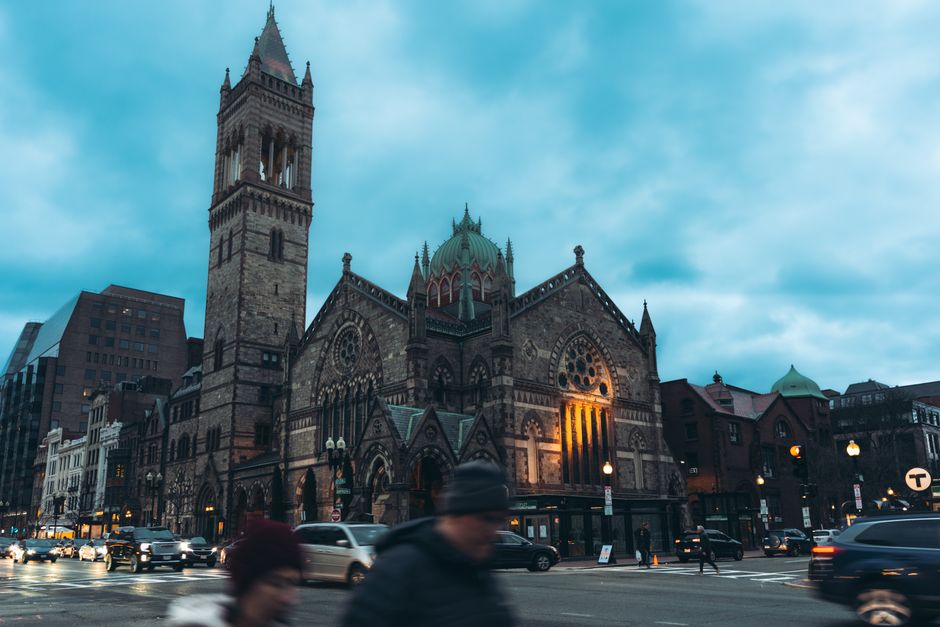
Unlike sprawling American metros, Boston rewards walking. The Freedom Trail's 2.4 miles of red-brick pathways connect colonial landmarks through neighborhoods like the North End and Beacon Hill, creating an organic urban narrative you actually traverse on foot. Compare this to Los Angeles's car dependency or even Dubai's mall-centric culture: here, you can genuinely know your city block by block. The MBTA's subway system, while imperfect, connects major employment hubs—Cambridge's tech corridor, the Longwood Medical and Academic Area, and downtown's financial district—without requiring a car.
Boston's economy is unusually specialized. While London balances finance with creative industries, and Toronto diversifies across sectors, Boston has doubled down on biotechnology and life sciences. Companies like Moderna, Biogen, and hundreds of smaller firms cluster around Cambridge and the Seaport District, creating a job market that's simultaneously robust and narrowly focused. For expats in healthcare, research, or adjacent fields, this concentration is unmatched globally. The median rent for a one-bedroom apartment in central neighborhoods like Back Bay or Cambridge hovers around $2,400—steep by American standards, but competitive with London's Zone 1 or Toronto's downtown.
The city's intellectual infrastructure differs from peer metros too. Harvard, MIT, Boston University, and Northeastern form a gravitational pull that shapes everything from weekend seminars to casual conversation. This academic density—rare outside university towns—creates unusual cultural programming and networking opportunities.
Climate is another differentiator. Boston's four distinct seasons are a shock to those arriving from mild-weather cities. Winter temperatures dip below freezing from December through March, with significant snowfall. This isn't Dubai or Sydney; you'll need appropriate gear and mindset shifts. But many expats find the seasonal rhythm refreshing after years in perpetually warm climates.
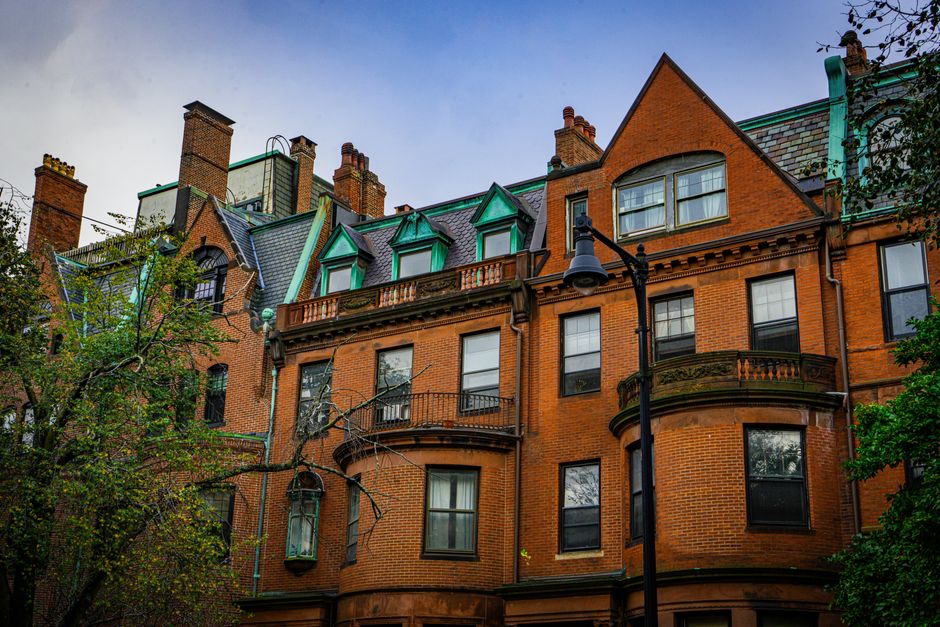
Finally, Boston's relationship with history is inescapable. Walking from your apartment in the South End—now a thriving neighborhood of restored Victorian townhouses and contemporary restaurants—you're steps from where abolitionists organized, where the Boston Tea Party shifted empires. This constant conversation with American history permeates the city in ways Singapore's ultra-modernity or Dubai's newness simply don't.
For global relocators, Boston isn't a blank slate like emerging tech hubs. It's a city with strong identity, specific economic engines, and deep historical roots. That specificity is precisely what makes it compelling.
This article was compiled by AI from the sources linked above and screened before publishing. See our editorial standards.