Five years ago, the Seaport District was still finding its footing. Today, it's become Boston's de facto welcome centre for international relocators, a dramatic shift that's rewriting everything from apartment pricing to dining culture along Atlantic Avenue and Congress Street.
The numbers tell the story: average rents for a one-bedroom apartment in the Seaport have climbed to roughly $2,800 monthly—up 34% since 2021—making it pricier than even the Back Bay among newcomers' preferred addresses. Yet for expat professionals working at the financial firms clustered around the Innovation District or the life sciences companies in nearby Cambridge, the neighbourhood's appeal goes beyond real estate.
"We're seeing a fundamentally different cohort moving here compared to ten years ago," says the team at Century 21 offices along the Rose Kennedy Greenway. International arrivals now represent nearly 40% of new lease signings in the district, up from roughly 15% in 2019. Most cite walkability, proximity to Logan Airport via the Blue Line, and the concentration of multinational employers as deciding factors.
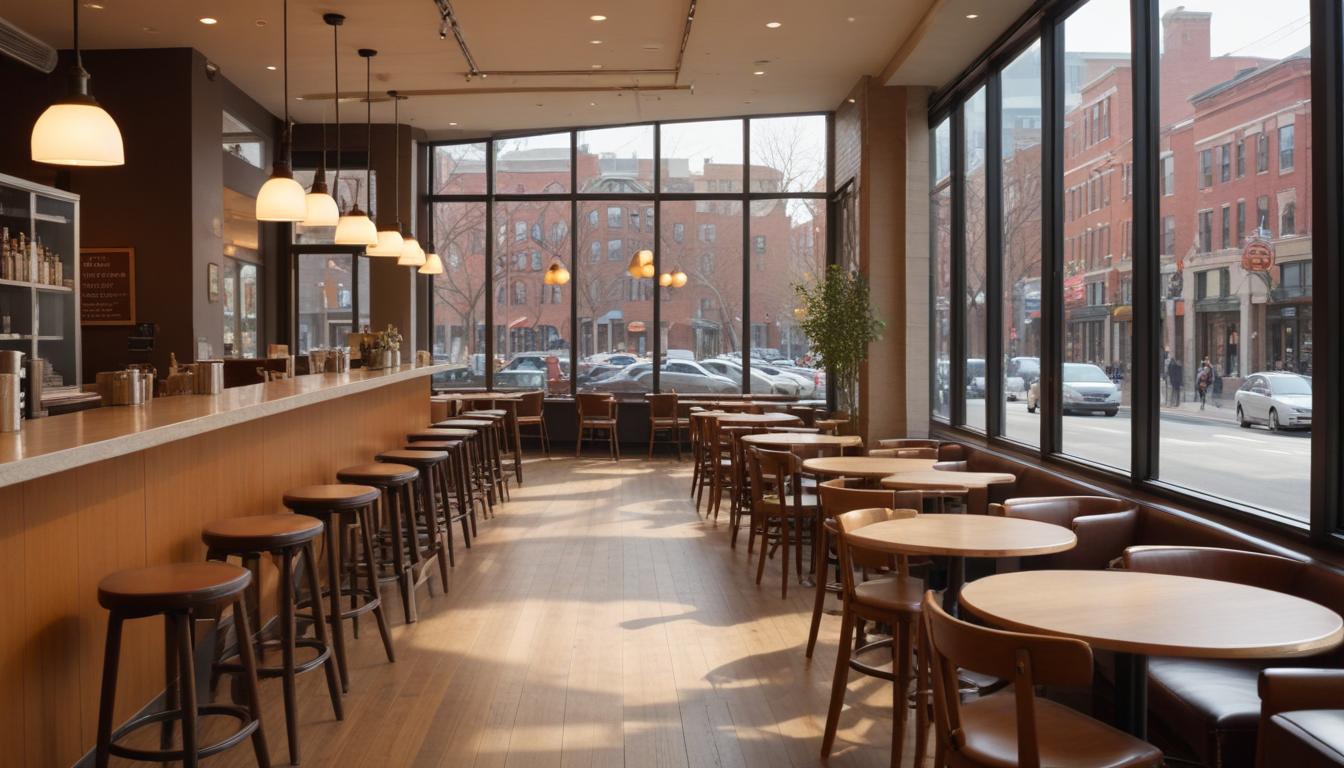
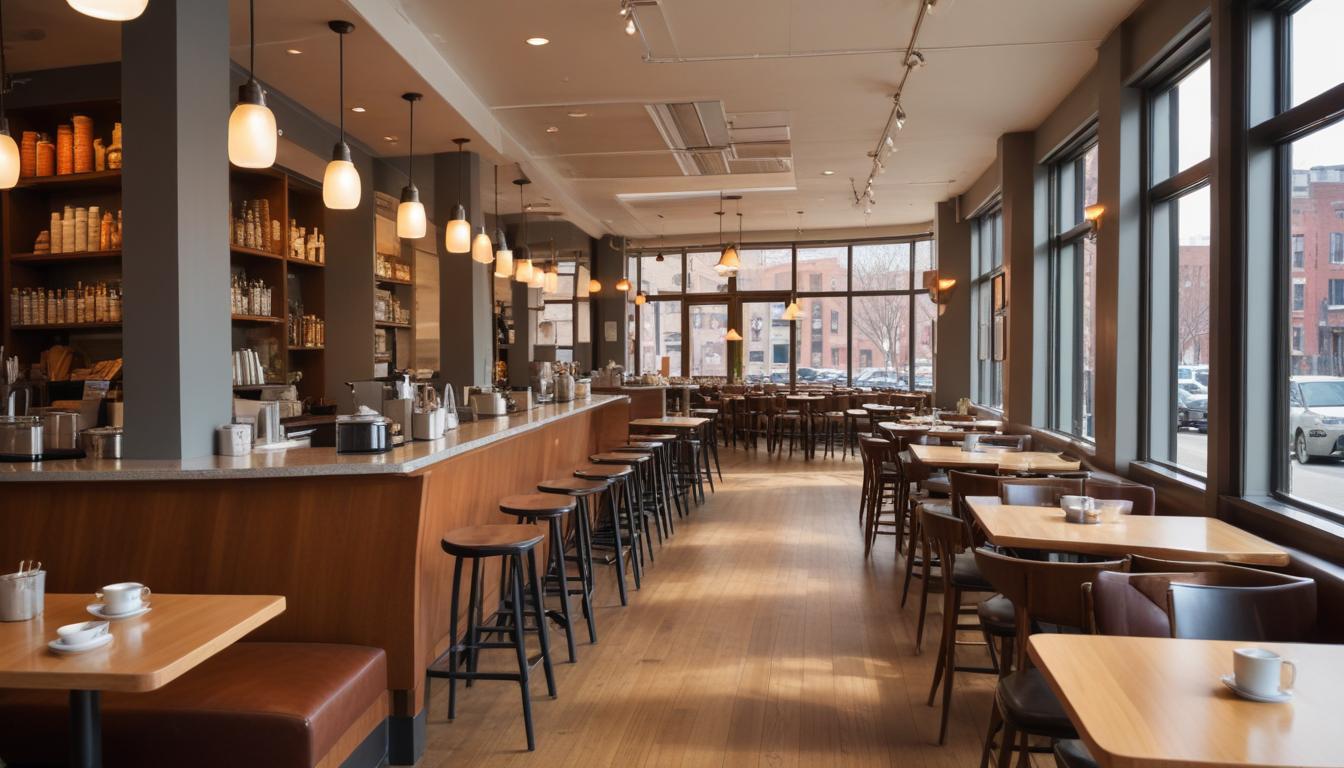
The neighbourhood's retail and hospitality landscape reflects this shift. Newer restaurants along Hanover Street increasingly cater to global palates, while co-working spaces like those near Fan Pier have added visa consultation services and international banking partnerships. The Boston Public Market, reopened and revitalized in 2022, now hosts monthly cultural events specifically designed to help newcomers build community.
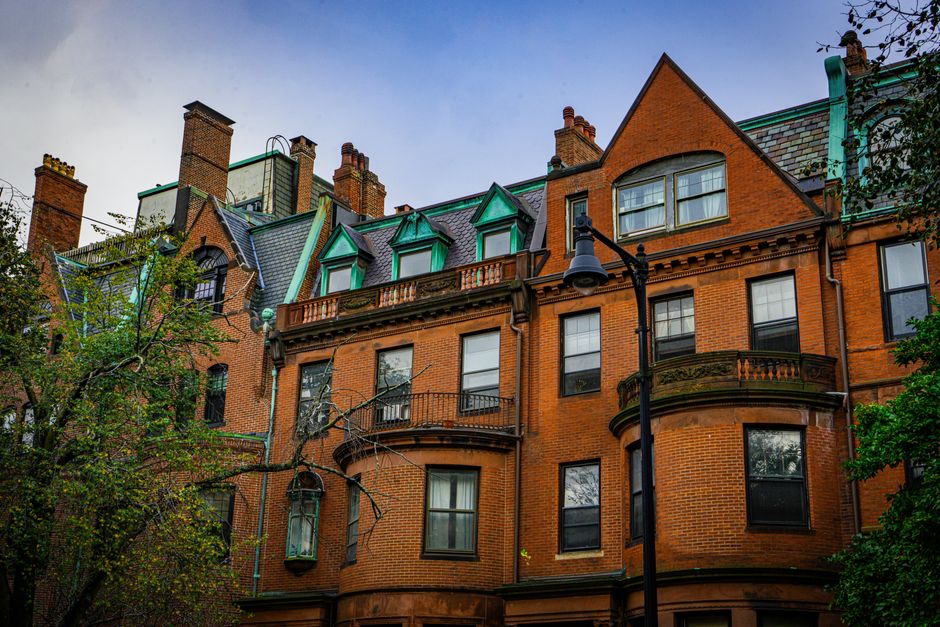
Housing, though, remains the friction point. While the Seaport's newer residential towers—particularly along the waterfront near the Institute of Contemporary Art—market themselves as "expat-friendly" with furnished short-term leases and multilingual staff, availability is tight. Many relocators now consider Dorchester and Jamaica Plain as viable alternatives, shifting settlement patterns across the city.
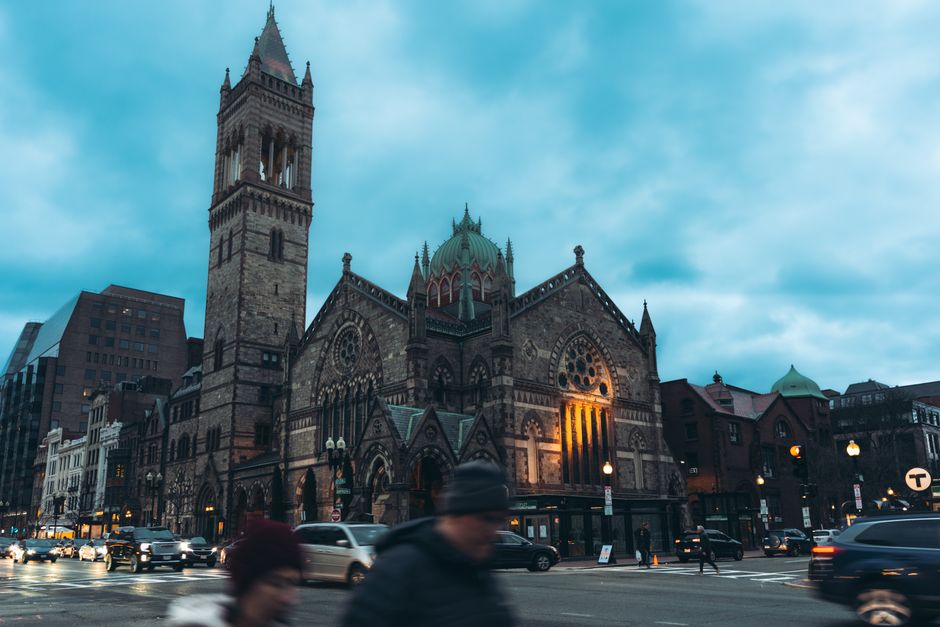
The Seaport's transformation also reflects Boston's broader economic realignment. Tech talent recruitment, particularly from Canada and Western Europe, has intensified since 2024. The neighbourhood's role as a cultural and social hub—anchored by the ICA, the New England Aquarium, and emerging food halls—makes it feel less like corporate outpost and more like genuine neighbourhood.
For those arriving this summer, the Seaport remains the path of least resistance. But with rents climbing and vacancy rates tightening, newcomers are increasingly strategic, treating neighbourhood selection as a longer-term calculation rather than a default choice. The result: Boston's international community is becoming less concentrated, less transient, and more integrated across the city than ever before.
This article was compiled by AI from the sources linked above and screened before publishing. See our editorial standards.