Boston Office Market Vacancy Rates Stabilize: Winners & Losers
Boston's office vacancy stabilizes at 17-18% as Class A properties command steady demand. Discover which landlords and developers are winning the repricing game.
Boston's office vacancy stabilizes at 17-18% as Class A properties command steady demand. Discover which landlords and developers are winning the repricing game.
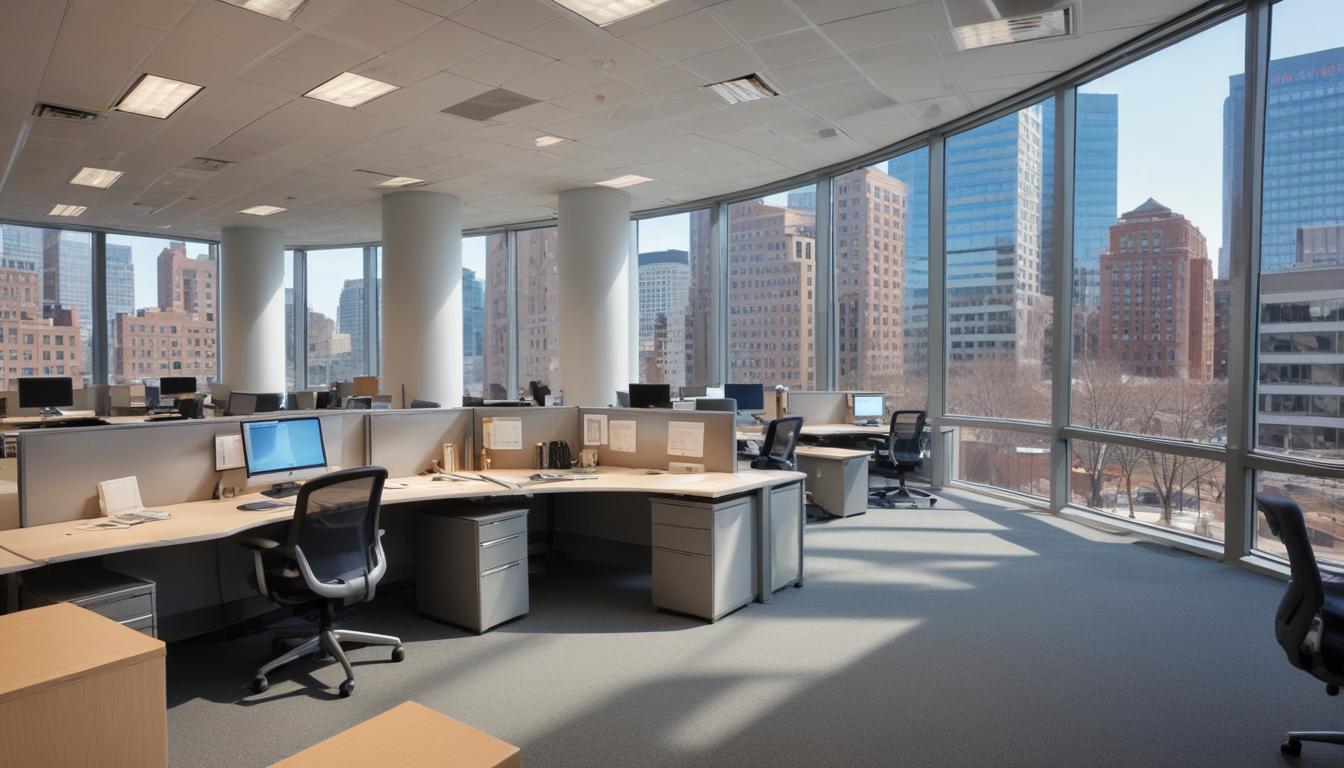
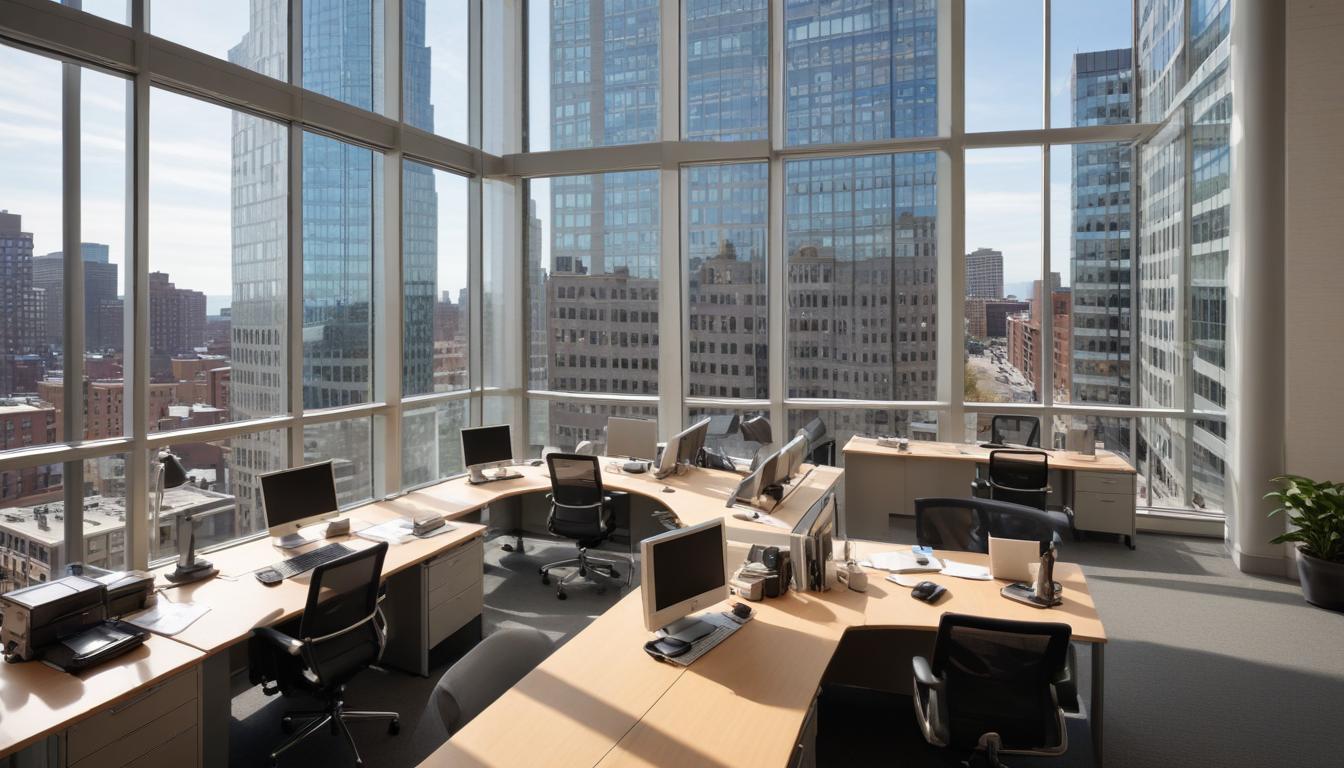
Boston's office market is no longer in freefall—but it's hardly a recovery story for everyone. After three years of pandemic-driven disruption that left swaths of Financial District and Back Bay space empty, the city's commercial property landscape is crystallizing into distinct tiers of winners and losers, and savvy investors are already positioning themselves to capitalize on the emerging opportunities.
Vacancy rates across greater Boston have stabilized around 17-18%, down from the 2023 peak of nearly 22 percent, according to recent market surveys. But that headline figure masks a dramatic divergence: Class A properties in prime locations command steady demand and stable rents hovering near $60-$65 per square foot annually, while Class B and C buildings scattered across the outer Financial District and lower Seaport languish at steep discounts.
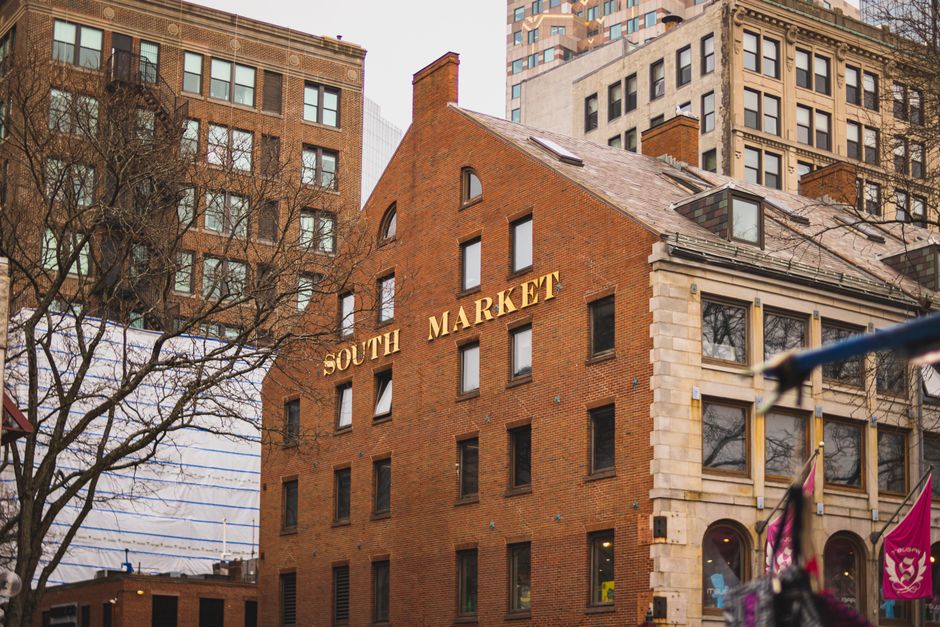
The winners are becoming clear. Developers with capital and vision are snapping up distressed assets on Atlantic Avenue and in the Leather District at depressed valuations, banking on conversion plays. Meanwhile, landlords of newly renovated trophy space—particularly along Boylston Street in Back Bay and in the Prudential Center vicinity—are seeing leasing momentum return as tenants consolidate around amenity-rich, well-maintained properties. Life sciences and venture-backed firms, still headquartered in Boston despite remote work trends, are driving premium space demand around the Longwood Medical Area and Cambridgeside.
The real estate investment trusts holding mixed-quality portfolios are under pressure to make strategic moves. Some are aggressively repositioning aging stock toward lab use or mixed-use conversions; others are taking impairments. Smaller landlords who refinanced heavily during the 2010s boom and lack capital reserves for building upgrades are increasingly motivated sellers.
The opportunity window is narrowing. Interest rates remain elevated, and debt service costs make it difficult for marginal players to hold distressed assets while waiting for a full recovery. That's creating a buyer's market for well-capitalized institutions and private equity real estate funds, particularly those with the balance-sheet strength to acquire and renovate Class B space in secondary locations like the Fenway Business Park area or lower Washington Street properties.
For Boston's commercial ecosystem, this restructuring could prove healthy. The repricing is eliminating marginal supply and accelerating the flight to quality that began in earnest two years ago. What's less clear is whether the city will see meaningful new trophy-class construction; most development pipelines remain frozen at the pre-design stage, awaiting clearer fundamentals.
The next 12-18 months will reveal which property owners adapted, and which became cautionary tales.
This article was compiled by AI from the sources linked above and screened before publishing. See our editorial standards.
How does this story make you feel?
Spread the word
About this article
Published by The Daily Boston
Daily brief
Free, in your inbox before 7am. Weekdays.
More in Business