Class-A Spaces, Millennial Vision: How One Boston ...
Sarah Chen's boutique real estate firm is betting that flexible, human-centered workplaces will win out over sprawling corporate campuses.
Sarah Chen's boutique real estate firm is betting that flexible, human-centered workplaces will win out over sprawling corporate campuses.
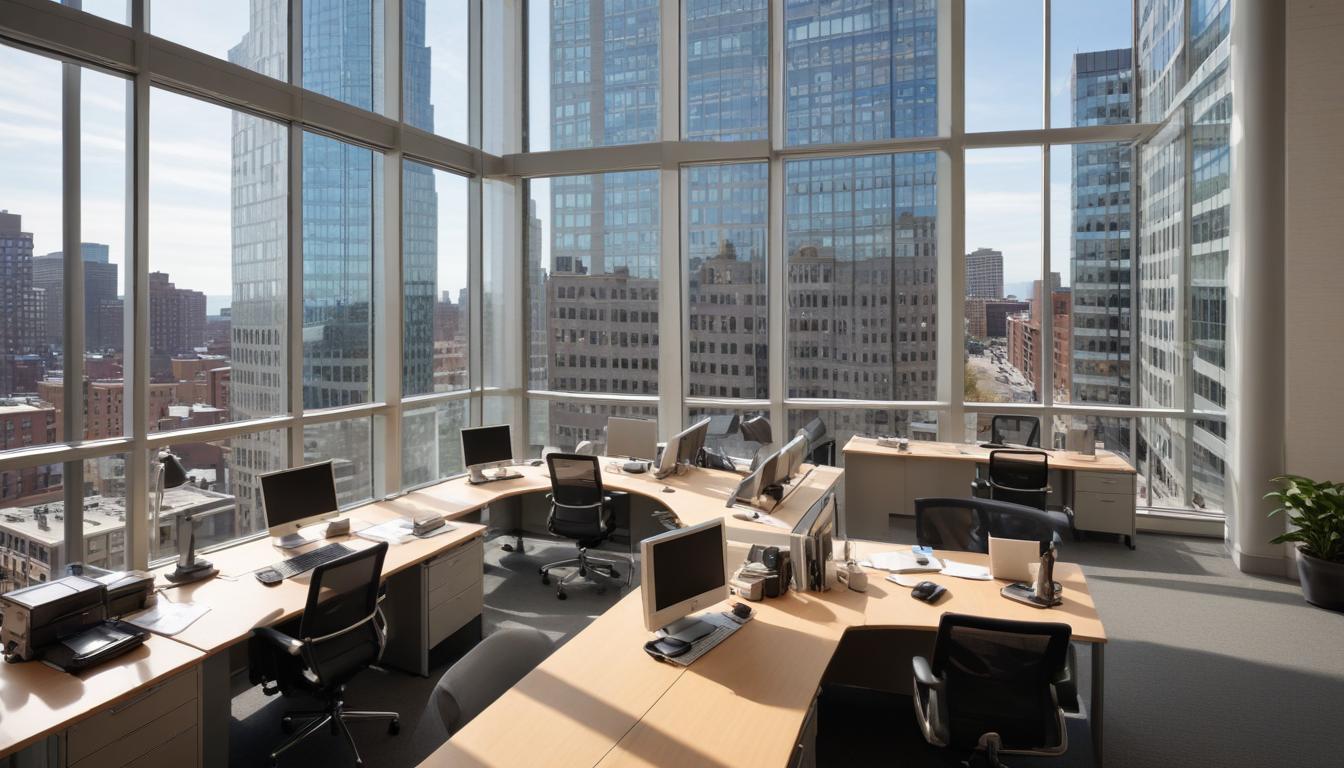
The Boston commercial real estate market has spent the past two years in a state of anxious recalibration. Downtown office vacancy rates hovered near 20 percent in early 2026, the highest in a decade, as major employers downsized their footprints or embraced permanent remote work. Yet amid this turbulence, a handful of developers are quietly reshaping how companies think about their real estate investments—and Sarah Chen's Meridian Workspace Partners stands at the forefront of that shift.
Chen, a 38-year-old developer who grew up watching her parents run a small import business in Chinatown, founded Meridian three years ago with a radical premise: the future of office isn't about square footage, but about purpose. Her flagship project, a 185,000-square-foot redevelopment of a mid-century industrial building on Hanover Street in the Seaport, reopened in March to near-full occupancy—a striking outcome when peers reported struggling closures.
What sets Meridian apart is granular attention to how work actually happens. Meridian's spaces feature modular layouts, abundant natural light, and extensive wellness amenities: a 2,000-square-foot fitness center, café partnerships with local roasters, and what Chen calls "collision zones"—open areas designed to encourage spontaneous cross-team conversation. Rents run $65 to $78 per square foot annually—not undercutting competitors, but offering flexibility: companies can expand or contract quarterly rather than being locked into five-year leases.
The strategy is working. Chen's portfolio now includes three active properties and two in pre-development across Cambridge and the Back Bay. Notably, her tenant base skews toward fintech, biotech, and creative agencies—sectors for which proximity and culture still matter. Tenancy stability at her properties sits at 94 percent, well above the Boston average of 81 percent.
"The pandemic didn't kill office work," Chen explained in a recent industry panel at the Boston Properties annual summit. "It killed boring office work." That philosophy resonates with a generation of founders and CTOs who've watched traditional real estate firms treat office as a commodity rather than a competitive advantage.
Meridian's success reflects a broader market correction. According to JLL's Q2 report, Boston landlords investing in tenant experience and flexibility are commanding premium rates, while Class-B space without modern amenities continues to hemorrhage tenants. Chen's willingness to sacrifice volume for quality positioning has become increasingly relevant as corporations reassess their return-to-office mandates.
As Boston's skyline and economic identity continue evolving, developers like Chen—who understand that workspace is as much about culture as concrete—may define the next chapter of the city's commercial real estate story.
This article was compiled by AI and screened before publishing. See our editorial standards.
How does this story make you feel?
Spread the word
About this article
Published by The Daily Boston
Daily brief
Free, in your inbox before 7am. Weekdays.
More in Business