Boston's Tourism Boom Is Reshaping the Local Job ...
As visitor spending surges, hospitality wages are climbing and competing fiercely with traditional employers for skilled workers across the region.
As visitor spending surges, hospitality wages are climbing and competing fiercely with traditional employers for skilled workers across the region.
Boston's hospitality sector is experiencing an unprecedented expansion, and it's fundamentally altering the city's employment landscape. With over 27 million visitors projected to pass through the region annually by 2026, hotels, restaurants, and cultural attractions are competing aggressively for talent—often at the expense of other industries.
The numbers tell a striking story. Average hospitality wages in Boston have jumped 18 percent since 2022, with front-of-house positions at top Back Bay and Downtown Crossing establishments now commanding $18-22 hourly rates, plus substantial tips. Meanwhile, housekeeping and kitchen roles at major hotels like the Newbury Boston and Mandarin Oriental are offering signing bonuses reaching $2,000 to address chronic staffing shortages.
This wage acceleration is pulling talent from unexpected quarters. Healthcare systems like Partners HealthCare and software firms along the Route 128 corridor report elevated turnover among administrative and entry-level staff, particularly younger workers drawn by immediate, cash-heavy hospitality paychecks over career-track alternatives. "We're seeing people leave financial services roles for sommelier positions and bartending at Seaport District venues," notes one local human resources consultant who requested anonymity.
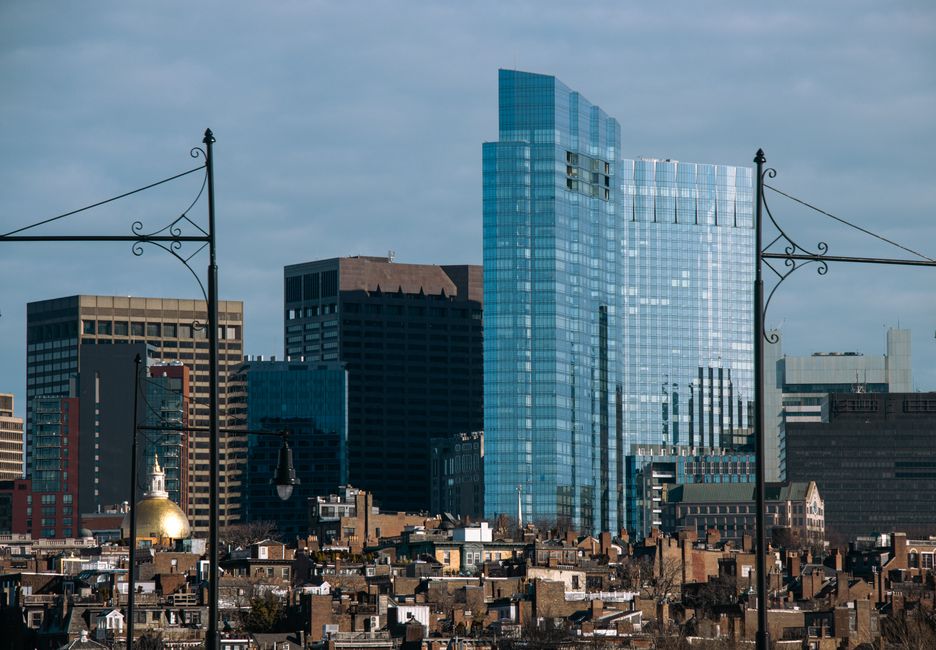
Neighborhoods like the Seaport District and Back Bay—historically dominated by finance and healthcare employment—are now dominated by hospitality development. New luxury hotel openings in the Leather District and along the Greenway have created over 4,500 direct jobs since 2023, reshaping neighborhood demographics and commercial real estate priorities.
But not everyone benefits equally. The wage premium is concentrated in upscale establishments catering to international and affluent domestic visitors. Casual dining and smaller attractions struggle to compete, creating a two-tier market where independent restaurants face margin pressures while corporate hospitality chains thrive. Fenway Park's expanded entertainment offerings and the Museum of Fine Arts' recent visitor initiatives have accelerated this polarization.
Local workforce development organizations are responding strategically. Year Up, which operates in Boston, reports increased demand for hospitality-focused training programs, while the city's community colleges are redesigning curriculum to include luxury service certifications alongside traditional business education.
The broader implication remains uncertain. While tourism spending—estimated at $9.4 billion annually in the region—generates significant tax revenue funding schools and infrastructure, the sector's growth is fundamentally reshaping who works in Boston and what career paths the city's young workforce pursues. As the trend accelerates, the city risks losing talent to industries requiring advanced technical or specialized skills, even as hospitality jobs proliferate.
This article was compiled by AI from the sources linked above and screened before publishing. See our editorial standards.
How does this story make you feel?
Spread the word
About this article
Published by The Daily Boston
Daily brief
Free, in your inbox before 7am. Weekdays.
More in Business