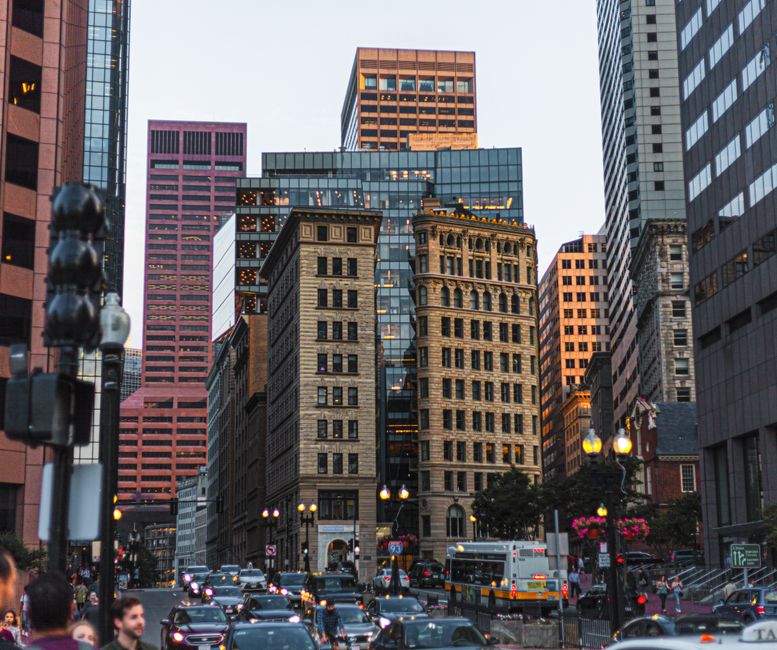
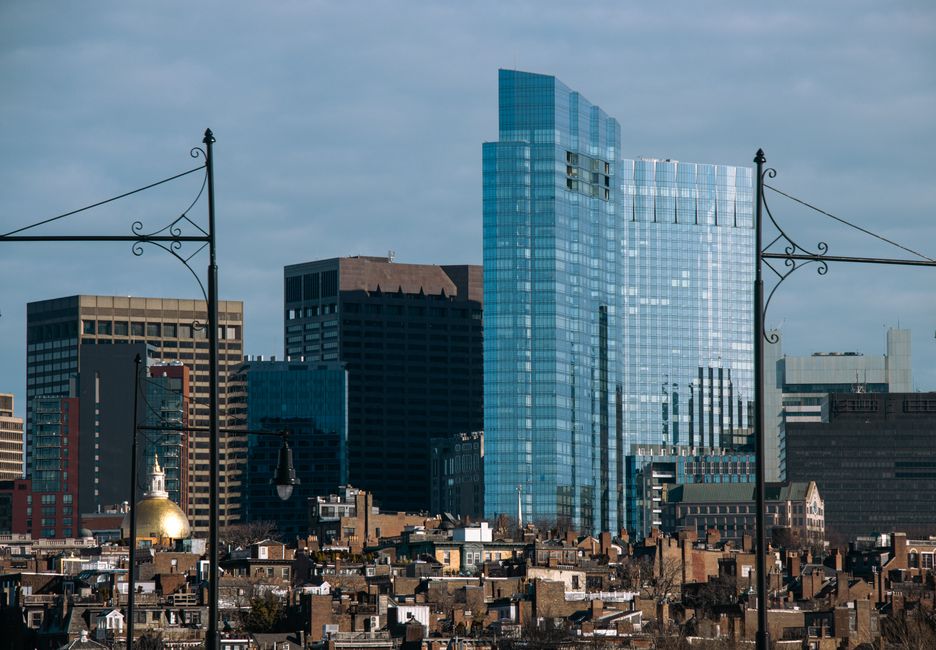
The cascading crises unfolding across Venezuela, the Middle East, and South Asia aren't just headline fodder for cable news. They're landing squarely on the desks of venture capitalists in Cambridge's Kendall Square and founders scattered across the Fort Point Channel innovation district, forcing a fundamental recalibration of how Boston's startup ecosystem operates.
The instability has already triggered visible shifts. Travel disruptions tied to Middle Eastern tensions are complicating recruitment efforts for firms trying to attract international talent. Visa processing delays linked to geopolitical uncertainty have lengthened timelines for founders seeking to hire from Pakistan and Iran—regions that historically fed Boston's software and biotech pipelines with skilled engineers. One venture partner at a Beacon Hill-based firm noted that hiring cycles that once took 60 days now stretch to 120 days, if they succeed at all.
Supply chain anxiety is reshaping hardware strategies across the Innovation District. Startups in medical devices, semiconductors, and advanced manufacturing are reassessing dependencies on components flowing through volatile regions. Several companies with offices near the Boston Innovation District's expanding footprint along Seaport Boulevard have begun dual-sourcing initiatives or nearshoring operations to Mexico and Canada—moves that add 15-20 percent to operating costs but reduce geopolitical exposure.
Venture funding decisions are tightening too. The Boston Private Bank and Trust recently reported that institutional investors are gravitating toward startups with domestic-first business models over those with aggressive international expansion plans. Firms targeting Venezuelan or Iranian markets—once seen as emerging opportunities—have quietly shelved growth projections.
The disruption is particularly acute for life sciences companies anchored in the Longwood Medical Area and Cambridgeport. Access to rare materials and specialized talent from unstable regions is becoming unreliable. One biotech recruiter noted that Iranian-American scientists, who historically anchored several local labs, are now hesitant to travel internationally or sponsor colleagues' visas, fearing complications.
Not all effects are negative. Boston's established strength in resilient-systems thinking—cybersecurity, distributed infrastructure, autonomous operations—is attracting founders and capital. Startups building redundancy into critical supply chains or developing tools for rapid geographic pivoting are finding investor enthusiasm renewed.
The lesson is stark: Boston's innovation ecosystem, long insulated by its reputation and capital density, is discovering that geographic distance offers less protection than once assumed. Founders and investors who adapt fastest will likely emerge strongest.
This article was compiled by AI and screened before publishing. See our editorial standards.