Remote Work Permanence Is Reshaping Boston's Job ...
Two years into a hybrid-first economy, Greater Boston employers are competing fiercely for talent while downtown commercial districts grapple with structural vacancy.
Two years into a hybrid-first economy, Greater Boston employers are competing fiercely for talent while downtown commercial districts grapple with structural vacancy.
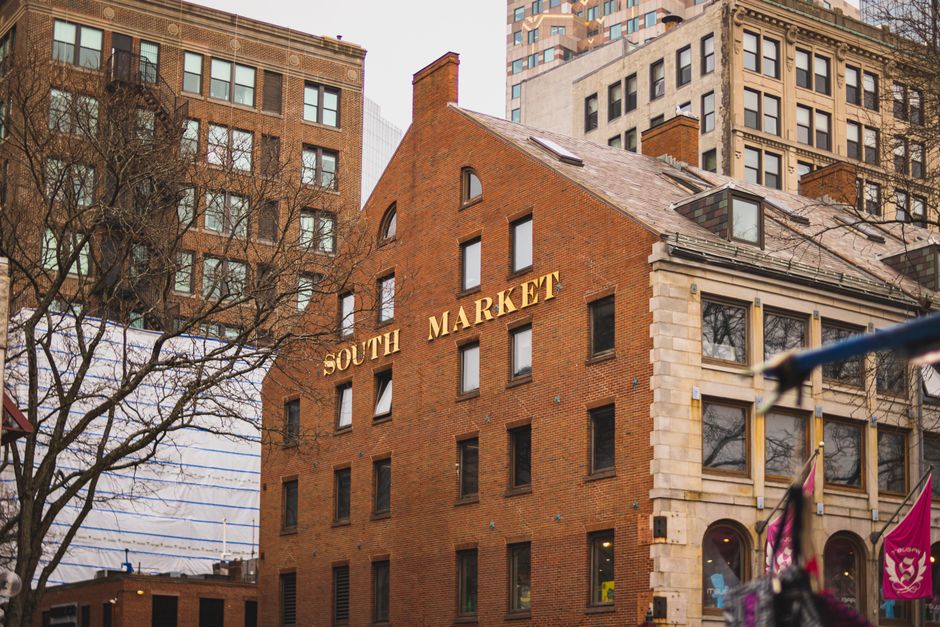
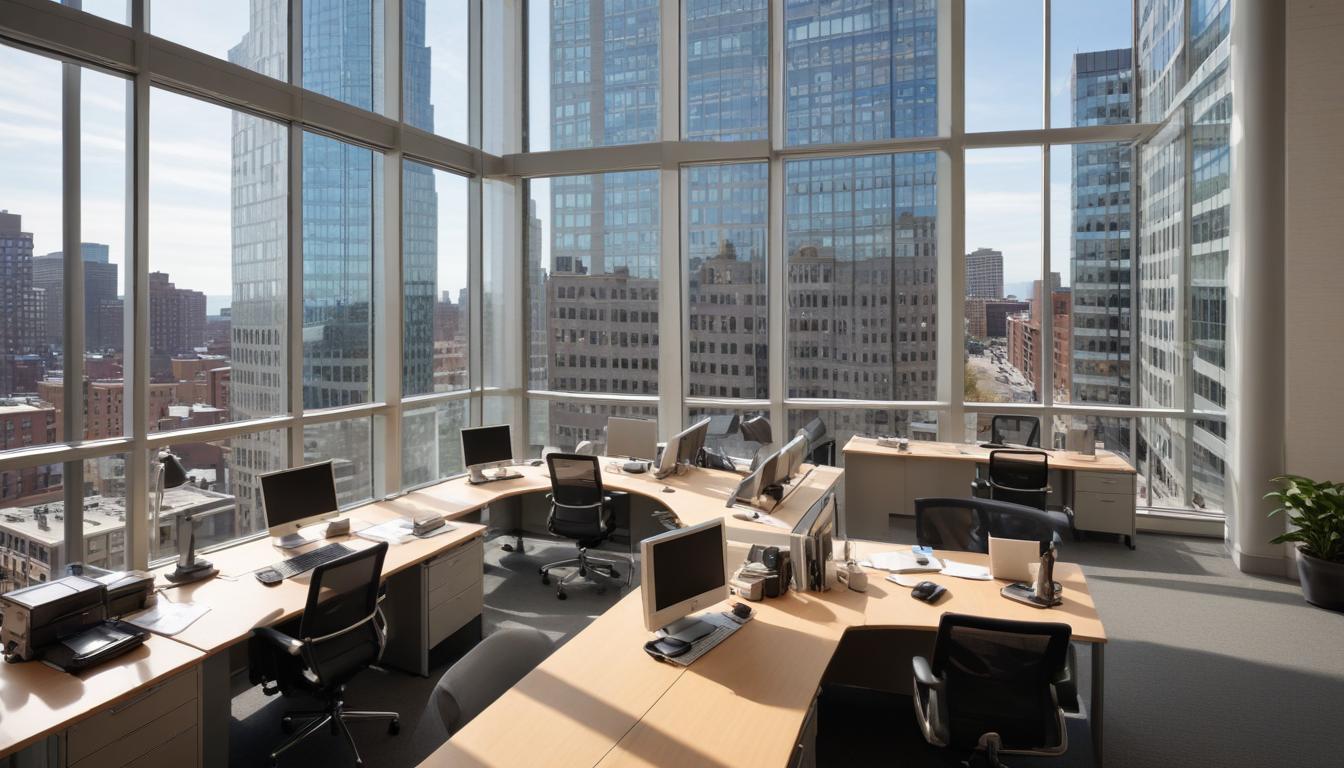
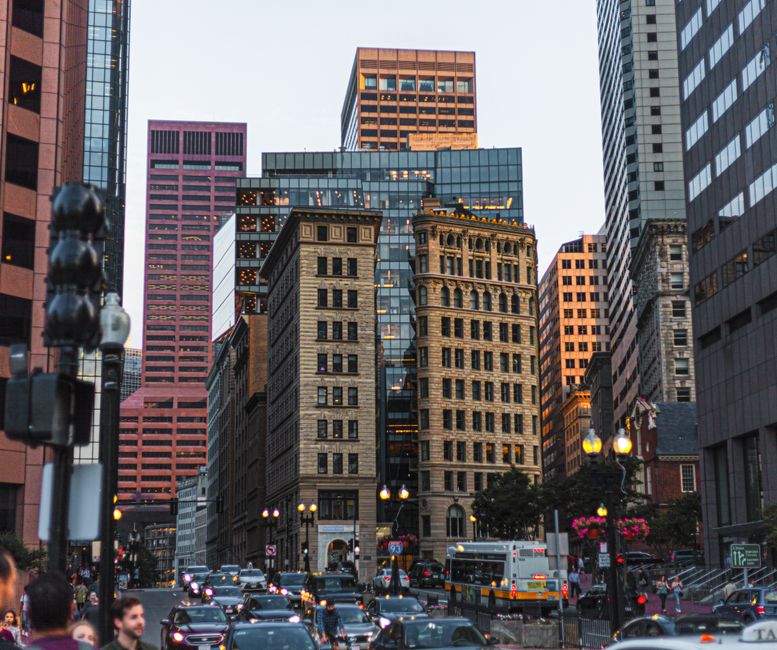
When Accenture announced last month that it would shutter two of its three office towers in the Financial District, the move rippled through Boston's business establishment like a warning bell. For a city that has long defined itself through its gleaming downtown corridors and innovation hubs, the decision underscored a reality that recruiters and HR professionals have been quietly confronting: the nature of work in Boston has fundamentally shifted, and the local job market is reorganizing itself accordingly.
The numbers tell a striking story. According to recent analysis from the Boston Regional Workforce Board, only 41 percent of knowledge workers in the metro area now maintain a five-day office presence, down from 68 percent in early 2024. Meanwhile, salaries for remote-eligible tech and financial positions have climbed 12 to 15 percent year-over-year as companies from New York to San Francisco compete for Boston-based talent who can now afford to be location-agnostic.
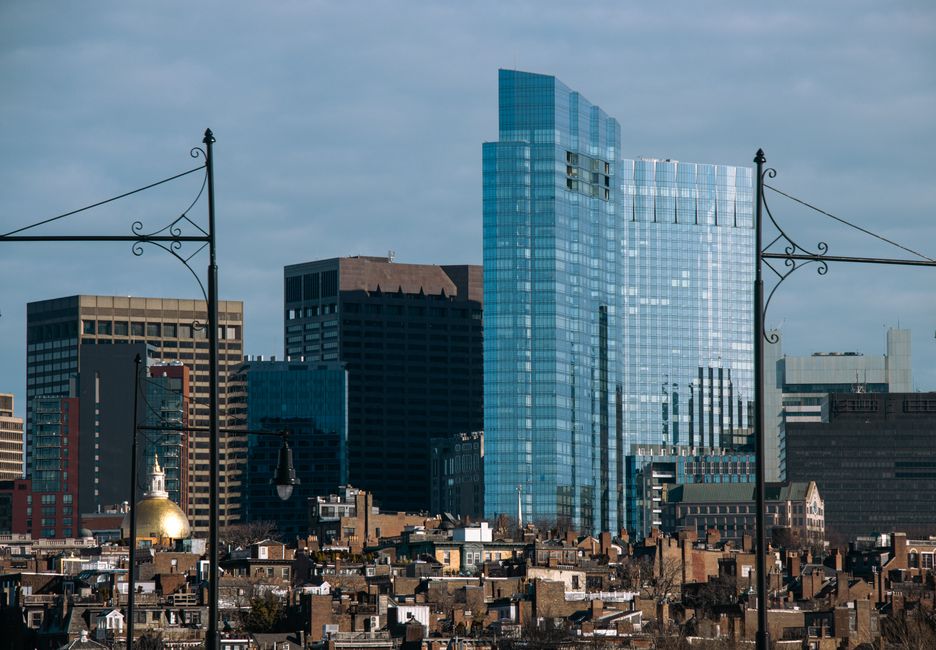
For the city itself, the implications are profound. Commercial vacancy rates in Back Bay and the Financial District have climbed to 18 percent, the highest in two decades. Yet simultaneously, neighborhood business districts—Seaport, Kendall Square in Cambridge, the Longwood Medical Area—are experiencing unexpected resurgence as companies establish smaller, purpose-driven office footprints designed for collaboration rather than daily operations.
"We're seeing a fundamental decoupling," said one talent acquisition director at a Beacon Hill consulting firm, speaking on background. "Boston still attracts world-class talent, but the employers winning that talent aren't necessarily the ones with the biggest downtown real estate footprints anymore."
Life sciences firms—still the region's largest private employer—have been more cautious about remote adoption, maintaining stronger in-office requirements. Yet even biotech and pharmaceutical companies are adjusting, with many implementing flexible policies to compete for research scientists who can otherwise relocate to Cambridge, Massachusetts-adjacent suburbs or even to secondary markets.
The shift has created unexpected winners: coworking operators, residential developers in neighborhoods like Somerville and Watertown, and restaurants and retail in outer neighborhoods now seeing lunch traffic. It's also reshaped commuting patterns, with the MBTA reporting a 22 percent decline in peak-hour subway ridership since 2023.
For job seekers, the change offers newfound leverage. Compensation has risen fastest in roles amenable to remote work—software engineering, product management, business analysis—while traditional office-dependent positions have seen more modest gains. By early 2026, a senior engineer in Boston commands roughly the same salary as one in San Francisco, a convergence unthinkable five years ago.
The real question now: will Boston's downtown reinvent itself, or become a cautionary tale of a century-old business district disrupted by a single structural shift?
This article was compiled by AI from the sources linked above and screened before publishing. See our editorial standards.
How does this story make you feel?
Spread the word
About this article
Published by The Daily Boston
Daily brief
Free, in your inbox before 7am. Weekdays.
More in Business