As Global Tensions Spike, Boston's Trade-Dependent Firms Brace for Uncertainty
Shipping delays, tariff fears, and geopolitical instability are forcing local manufacturers and retailers to rethink supply chains and inventory strategies.
Shipping delays, tariff fears, and geopolitical instability are forcing local manufacturers and retailers to rethink supply chains and inventory strategies.
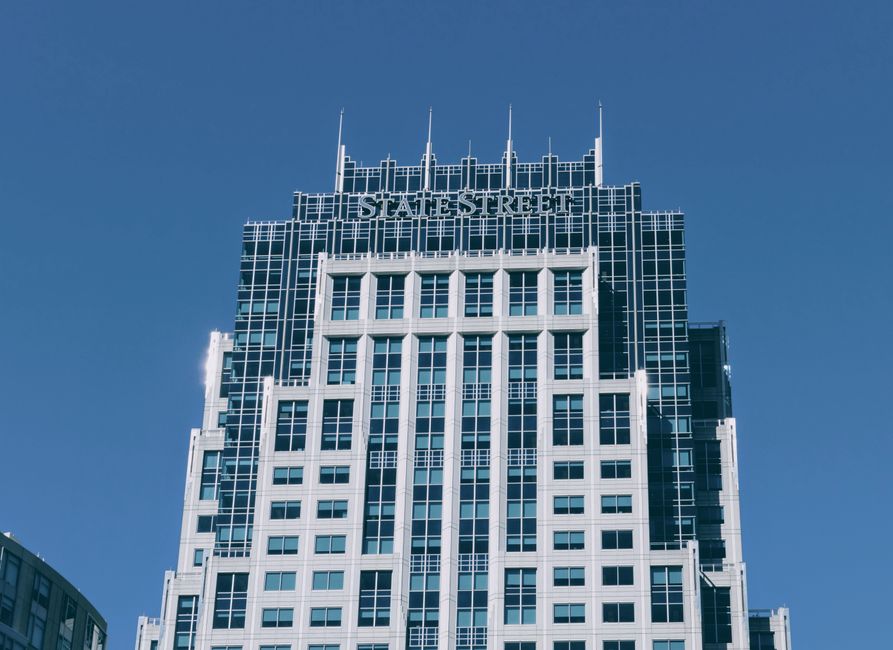
For manufacturers along the Fort Point Channel and retailers across the Back Bay, the geopolitical turbulence dominating global headlines isn't abstract—it's reshaping quarterly earnings and forcing hard decisions about where goods come from and how they arrive.
Boston's import-export sector, which moves roughly $8.2 billion in goods annually through the Port of Boston, is feeling the pressure from multiple directions. The escalating tensions in the Middle East, ongoing trade friction, and recent political volatility in Latin America are creating ripple effects that reach from shipping containers to store shelves across Massachusetts.
"We're seeing lead times extend by weeks," says a supply chain manager at a Seaport District logistics firm, speaking on condition of anonymity. Many companies are now holding 15-20% more inventory than they did two years ago—a costly buffer against unpredictable delays. For a mid-sized manufacturer in Waltham, that translates to an extra $2-3 million sitting in warehouses.
The stakes are particularly high for Boston's life sciences and medical device sectors. Many firms source components from across Europe and Asia, and recent disruptions—from the Venezuelan aftershock affecting mineral supplies to Pakistan-Afghanistan tensions affecting overland routes—have created bottlenecks. Companies in the Longwood Medical and Academic Area are quietly shifting supplier relationships, a months-long process with significant upfront costs.
Retail is bracing differently. Boutique shops along Newbury Street and larger chains with Boston headquarters are negotiating contracts with tighter force majeure clauses and exploring nearshoring—moving production closer to home despite higher labor costs. "We're calculating whether it's cheaper to pay more per unit domestically than to gamble on international delays," one Newbury Street manager explained.
The Boston Chamber of Commerce reports that uncertainty is the real killer. Companies can adapt to known costs, but the current environment—where a ceasefire announcement or trade policy shift can swing margins by 5-10% overnight—makes planning nearly impossible.
Port authority officials note that June volumes remained stable, but stakeholders expect a volatile summer. Some firms are accelerating orders ahead of potential tariff changes, while others are freezing new orders until clarity emerges.
For Boston's economy, which relies heavily on global supply chains and international business relationships, the message is clear: geopolitics and commerce are no longer separate conversations. Local business leaders are now reading international news the way they once read stock tickers.
This article was compiled by AI from the sources linked above and screened before publishing. See our editorial standards.
How does this story make you feel?
Spread the word
About this article
Published by The Daily Boston
Daily brief
Free, in your inbox before 7am. Weekdays.
More in Business