Global Instability Is Reshaping Boston's Supply Chains—And Bottom Lines
As geopolitical tensions ripple across the Middle East, Africa, and South Asia, local manufacturers and retailers are scrambling to adapt their sourcing strategies.
As geopolitical tensions ripple across the Middle East, Africa, and South Asia, local manufacturers and retailers are scrambling to adapt their sourcing strategies.
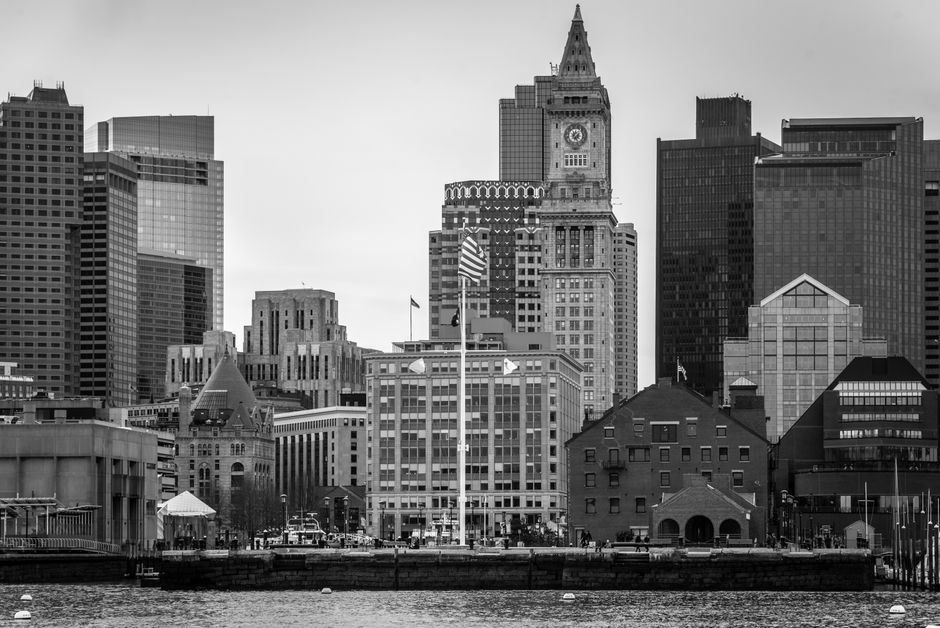
The instability unfolding across the globe is no longer just a headline concern for Boston business leaders—it's a direct threat to their operations and profitability. From the Seaport District's logistics hubs to manufacturing plants in the suburbs, companies are grappling with supply chain disruptions, rising insurance costs, and unpredictable shipping routes that are fundamentally reshaping how they do business.
The latest geopolitical tensions—including ongoing Middle East volatility, potential sanctions affecting Iranian trade corridors, and regional conflicts in South Asia and Central Africa—have created a perfect storm for Boston's import-export sector. Companies relying on traditional shipping routes through the Strait of Hormuz and the Suez Canal are now facing delays of weeks, sometimes months. A mid-sized electronics importer operating out of the Innovation District reports that container transit times from Asia have increased by 35 percent since early 2026, forcing them to maintain significantly higher inventory levels at their Boston warehouse facilities.
The pharmaceutical and biotech sectors—pillars of Boston's economy—are particularly vulnerable. Many manufacturers source raw materials from regions now affected by travel restrictions or political instability. One Kendall Square-based biotech firm quietly increased its strategic reserves of critical compounds in March, adding roughly $2 million to operational costs. Industry consultants estimate that Boston-area life sciences companies are collectively spending an additional $50-75 million annually on supply chain insurance and redundancy measures.
Retailers along Newbury Street and in downtown Boston's shopping district are also adjusting tactics. Fashion and consumer goods importers are shifting orders to suppliers in more stable regions, even when it means slightly higher per-unit costs. These expenses inevitably trickle down: consumers are already seeing price increases of 3-7 percent on imported goods across the city's retail landscape.
The Port of Boston, which handles roughly 40 million tons of cargo annually, has seen average clearance times extend from 48 hours to 72 hours. Port officials acknowledge they're working with federal agencies to streamline processes, but uncertainty remains the biggest challenge for logistics operators.
Some Boston companies are responding proactively, diversifying suppliers across geographies and investing in nearshoring—moving production closer to home. Others are exploring partnerships with Canadian and Mexican suppliers to reduce exposure to distant instability. The Chamber of Commerce has fielded dozens of inquiries from executives seeking strategic advice on risk mitigation.
For Boston's business community, the lesson is clear: global stability directly affects local prosperity. As international tensions persist, adaptability and strategic foresight are becoming competitive advantages.
This article was compiled by AI and screened before publishing. See our editorial standards.
How does this story make you feel?
Spread the word
About this article
Published by The Daily Boston
Daily brief
Free, in your inbox before 7am. Weekdays.
More in Business