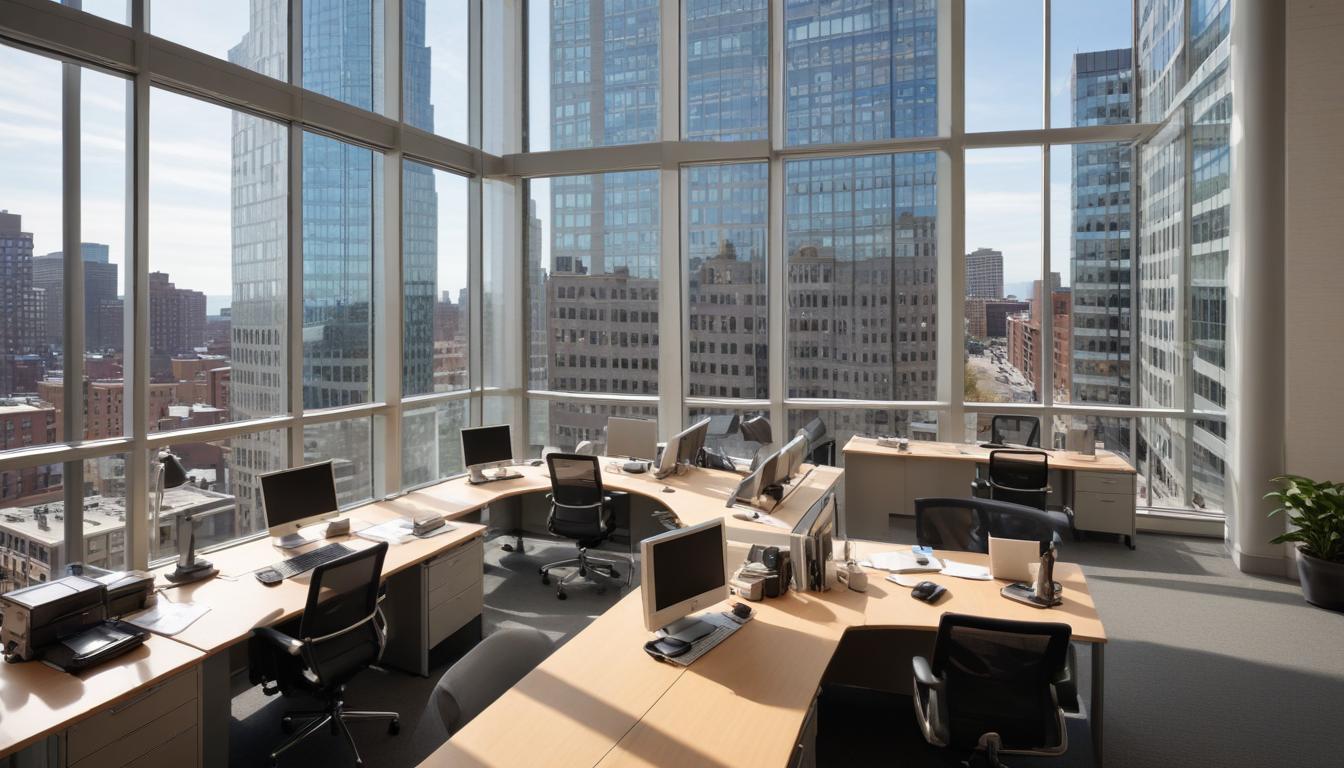
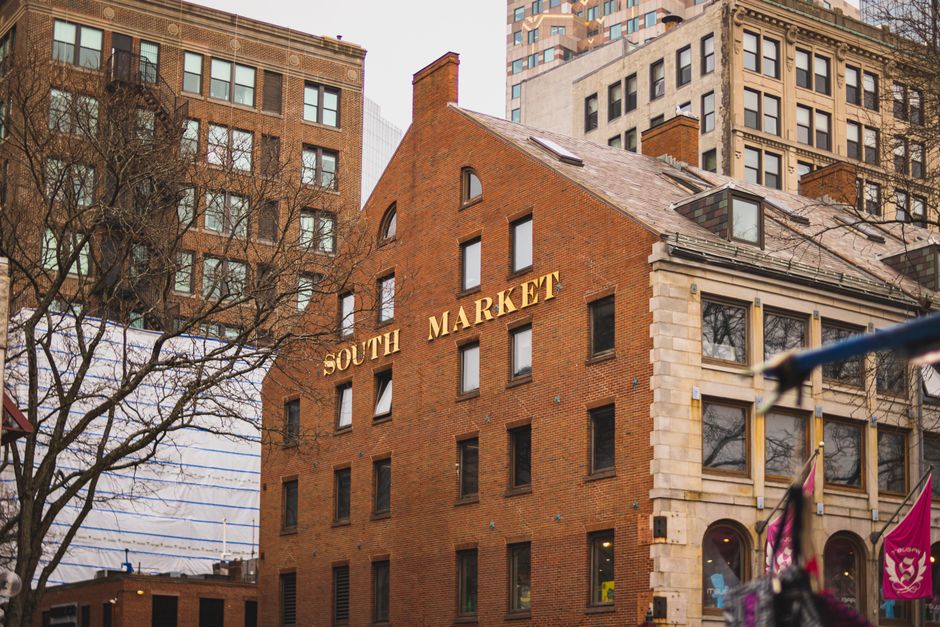
Walk through the Innovation District on any weekday and you'll see the visible markers of Boston's economic confidence: cranes above new biotech campuses, packed coffee shops along Hanover Street, bustling offices in the Prudential Center. But behind those glass facades, recruiters and executives are grappling with a fundamentally altered global calculus that's beginning to reshape who gets hired, where, and at what cost.
The past 18 months of geopolitical turbulence—escalating Middle East tensions, supply chain disruptions, and shifting trade relationships—have created an unexpected bifurcation in Boston's job market. While life sciences and software companies continue hiring, they're doing so with new conditions attached. Insurance costs are up. Relocation packages have expanded as companies seek to move talent out of perceived risk zones. And salary expectations have shifted dramatically.
"We're seeing clients ask fundamentally different questions than they did two years ago," says one senior executive recruiter operating along Milk Street, speaking on background. Companies are increasingly asking where their supply chains originate, whether their workforce can operate remotely during disruptions, and how dependent they are on specific international markets.
The numbers tell part of the story. Boston's unemployment rate sits at 4.2%, slightly above the national average, but beneath these figures lies genuine churn. Manufacturing-adjacent roles in Charlestown and East Boston—traditionally stable positions—have seen modest contractions as global uncertainty makes companies cautious about capital investment. Meanwhile, cybersecurity hiring has accelerated sharply, with roles on Fort Point Channel and near the Seaport paying 12-15% more than comparable 2024 positions.
Commercial real estate in the Financial District reflects this anxiety too. Several mid-sized financial services firms have delayed expansion plans, waiting to see how trade policies stabilize. Conversely, companies hedging against supply chain vulnerability are urgently recruiting supply chain specialists, logistics experts, and international compliance officers—roles that barely existed in Boston's job market five years ago.
The hospitality sector around Faneuil Hall and the Theater District is experiencing its own pressure. International travel uncertainty has created soft demand for convention and tourism roles, though remote work migration has buoyed residential neighborhoods like Jamaica Plain and Cambridge.
For job seekers, the moment demands specificity. Generic applications matter less than ever. Understanding whether your target employer's supply chains are stable, whether their international revenue streams are diversified, and whether they've hedged against currency fluctuations—these aren't esoteric concerns anymore. They're determining whether your prospective employer is hiring aggressively or quietly freezing headcount.
Boston's economy has weathered global storms before. But this cycle is different because it's fragmenting opportunity unevenly across sectors, leaving some neighborhoods booming while others edge toward caution.
This article was compiled by AI and screened before publishing. See our editorial standards.