Global Instability Is Reshaping Boston's $19 Billion Tourism Engine
As international travel patterns shift due to geopolitical tensions and health crises abroad, local hospitality businesses are scrambling to adapt their strategies.
As international travel patterns shift due to geopolitical tensions and health crises abroad, local hospitality businesses are scrambling to adapt their strategies.
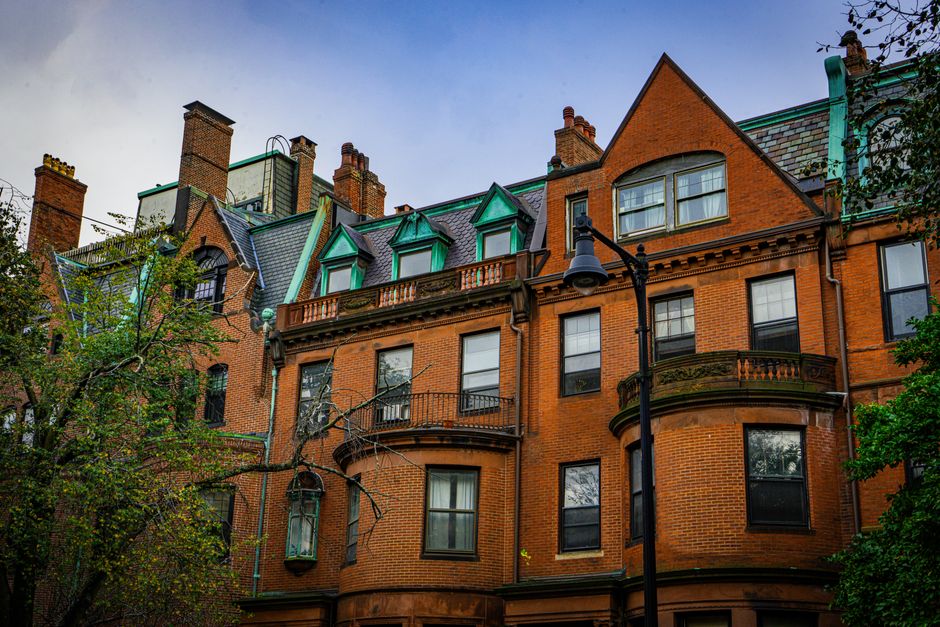
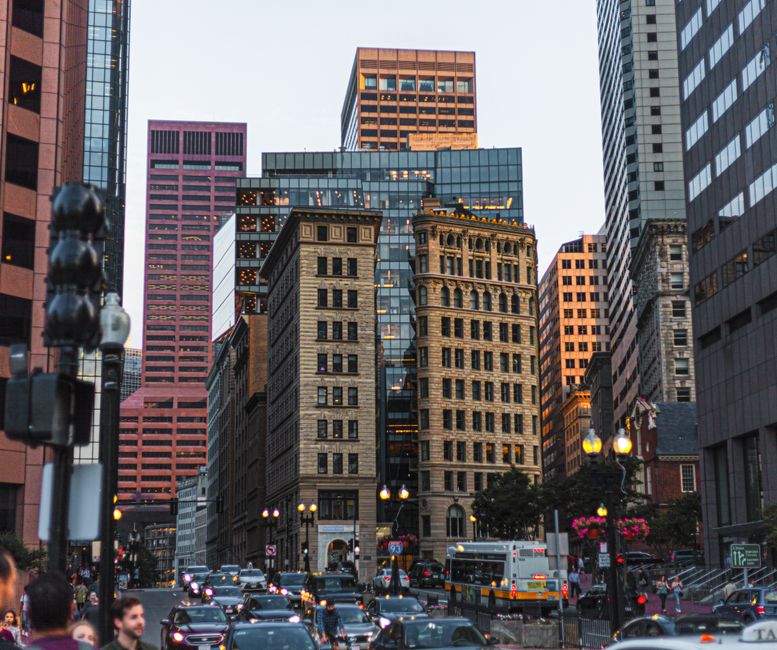
The boutique hotels along Newbury Street and the waterfront restaurants near the Seaport are facing an unexpected headwind this summer. While Boston's tourism sector has consistently generated roughly $19 billion annually for the regional economy, the current global landscape—marked by escalating Middle East tensions, disease outbreaks in central Africa, and ongoing political instability in Latin America—is fundamentally reshaping which travelers arrive here and when.
"We're seeing measurable shifts in booking patterns that directly correlate to international news cycles," said a spokesperson for the Greater Boston Convention & Visitors Bureau. Travel bookings from Europe remain solid, but inquiries from Middle Eastern business travelers have declined noticeably since spring. Meanwhile, Latin American leisure visitors, once a growth segment for destinations like the Museum of Fine Arts and the New England Aquarium, have grown more cautious about international travel.
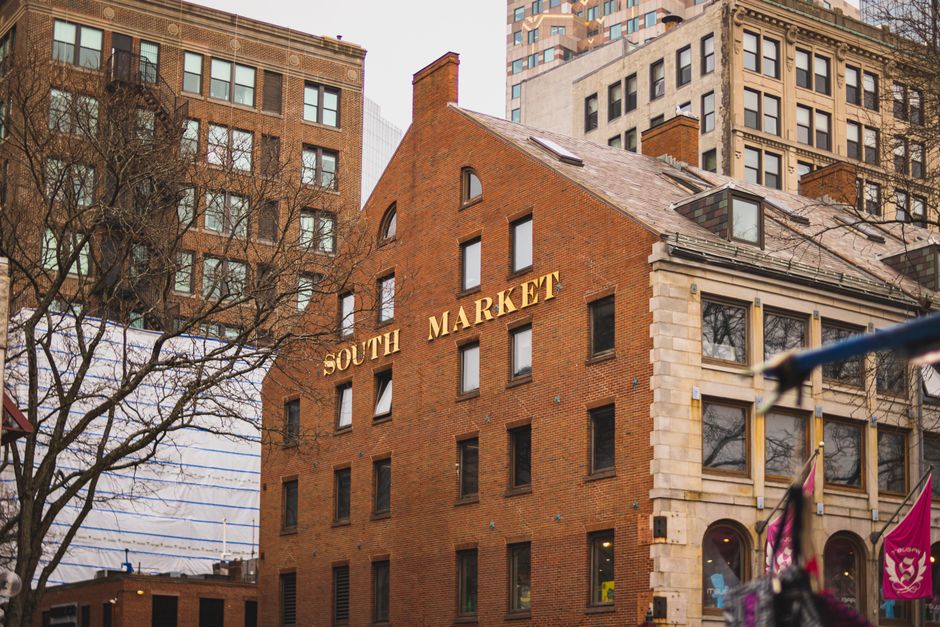
The implications ripple through Boston's neighborhoods. The Faneuil Hall Marketplace, which typically attracts 20 million visitors annually, is recalibrating its international marketing spend. Hotels in the Back Bay and Downtown Crossing report higher cancellation rates than this time last year. Tour operators along the Freedom Trail are adjusting group sizes and scheduling, anticipating fewer large international groups.
Currency fluctuations tied to geopolitical uncertainty compound the problem. A weaker dollar might theoretically help American destinations attract price-conscious travelers, but the psychological effect of global instability often overrides economic advantage. Travelers postpone discretionary trips when they perceive elevated risk, regardless of exchange rates.
Not all segments suffer equally. Domestic leisure travel remains resilient, and some operators report that safety-conscious travelers are actually *choosing* Boston specifically because of its reputation as a stable, well-managed city. The Boston Harbor Hotel and similar upscale properties have shifted marketing to emphasize domestic audiences and shorter-haul regional visitors.
Convention business—typically worth $1.5 billion annually to Boston's economy—shows early warning signs. Several international conference organizers have relocated events or reduced expected attendance, citing travel advisories and employee reluctance to attend distant gatherings.
Local business leaders acknowledge they cannot control global headlines, but they're actively recalibrating. Restaurant groups are diversifying their staffing strategies. Tour companies are investing in marketing to closer regional markets. Hotel revenues depend increasingly on business travel and domestic visitors rather than international tourists.
For Boston's 100,000-plus hospitality workers, the message is clear: the global context isn't abstract anymore. It directly determines their summer scheduling and earning potential.
This article was compiled by AI and screened before publishing. See our editorial standards.
How does this story make you feel?
Spread the word
About this article
Published by The Daily Boston
Daily brief
Free, in your inbox before 7am. Weekdays.
More in Business