What Every Bostonian Should Know About How Tourism Is Reshaping Your Neighborhoods
As visitor spending hits record levels, residents face higher rents, altered street life, and decisions about who their city serves.
As visitor spending hits record levels, residents face higher rents, altered street life, and decisions about who their city serves.
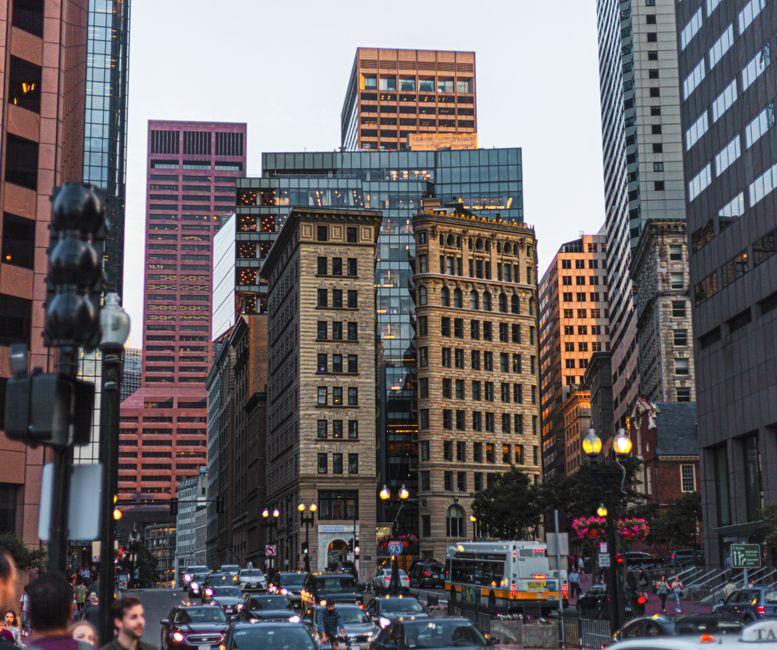
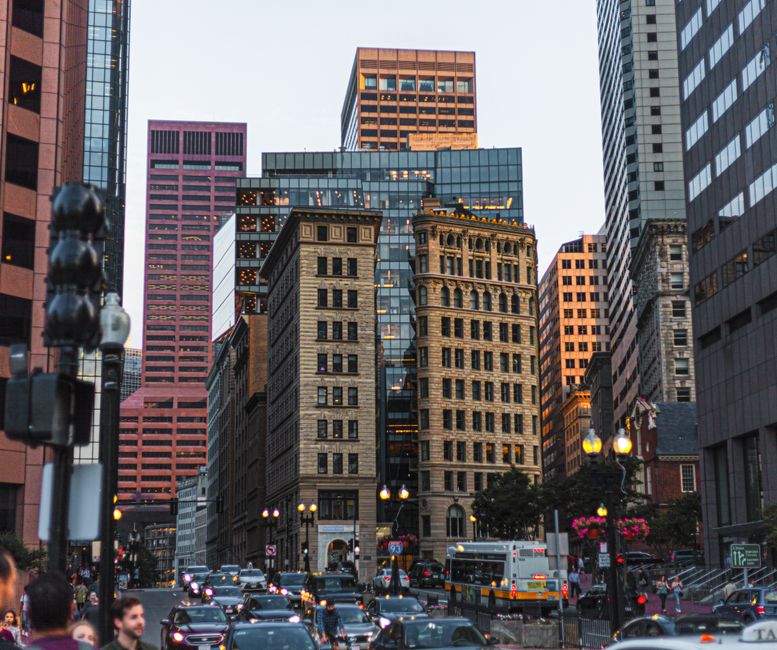
Boston's tourism economy has become impossible to ignore. Last year, the Greater Boston Convention & Visitors Bureau reported 35.8 million visitors and $30.7 billion in direct spending—figures that haven't stopped climbing. For everyday residents, that growth translates into something more tangible than statistics: it means the coffee shop on Newbury Street where you've ordered for five years now serves three-minute tables, weekend sidewalk congestion in the Back Bay, and housing costs that keep climbing partly because short-term rentals compete with long-term leases.
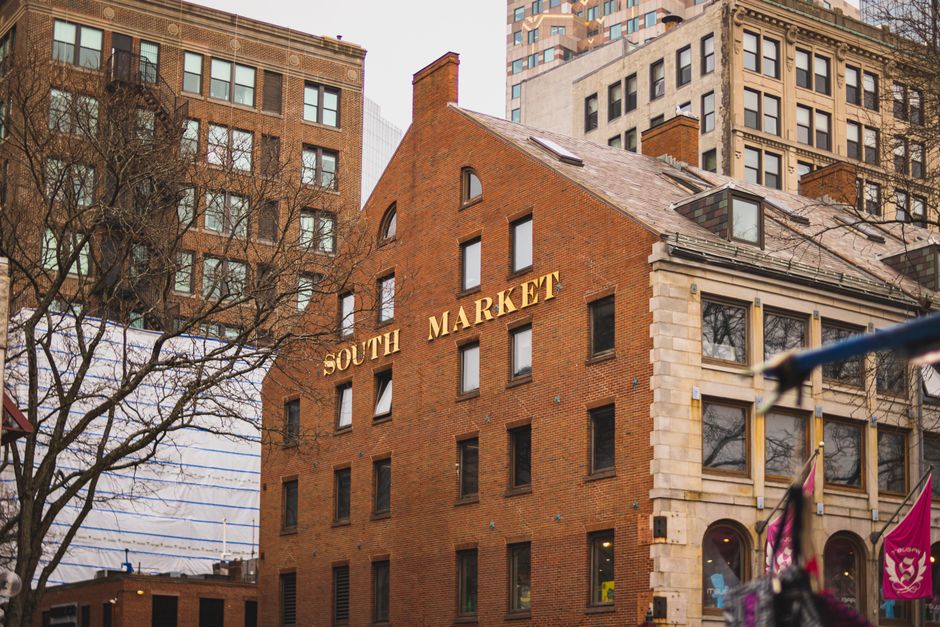
The mechanics matter. Hotels near the Prudential Center and along the Seaport are operating at near-capacity occupancy, pushing nightly rates upward. That's good news for hotel workers, but it also means tourism taxes—currently 14.45 percent in Boston—get distributed across city services. Understanding where that revenue flows helps residents evaluate what they're getting in return. The city relies on those dollars for infrastructure maintenance, but neighborhoods closest to major attractions like Faneuil Hall and the Freedom Trail often bear the heaviest wear-and-tear without proportional reinvestment in local livability.
Real estate dynamics have shifted noticeably. Platforms like Airbnb have fractured the housing market. A two-bedroom in the South End that might rent long-term for $2,800 monthly can generate $4,500 or more through nightly tourist bookings. Property owners face a financial incentive that's difficult to ignore. Housing advocates worry this exacerbates Boston's affordability crisis, particularly for working families seeking stable leases in walkable neighborhoods.
For daily life, the changes manifest on the street. The Harborwalk, once relatively quiet, now sees foot traffic comparable to a shopping mall during peak season. Restaurants near major attractions have shifted menus and pricing toward tourist expectations. Local institutions like Mike & Patty's on Hanover Street or smaller North End bakeries find themselves managing constant tourist influxes.
The key insight residents should grasp: tourism isn't abstract. Every visitor dollar creates jobs but also pressures on housing, infrastructure, and neighborhood character. The city's growth strategy assumes tourism expansion will continue, but that assumption shapes policy decisions—from parking management to restaurant permits to housing zoning—that affect you directly.
Residents interested in these tradeoffs should engage with upcoming Boston Planning & Development Agency discussions about Seaport development and neighborhood district policies. Your neighborhood's future is being shaped by tourism economics whether or not you're actively part of that conversation.
This article was compiled by AI from the sources linked above and screened before publishing. See our editorial standards.
How does this story make you feel?
Spread the word
About this article
Published by The Daily Boston
Daily brief
Free, in your inbox before 7am. Weekdays.
More in Business