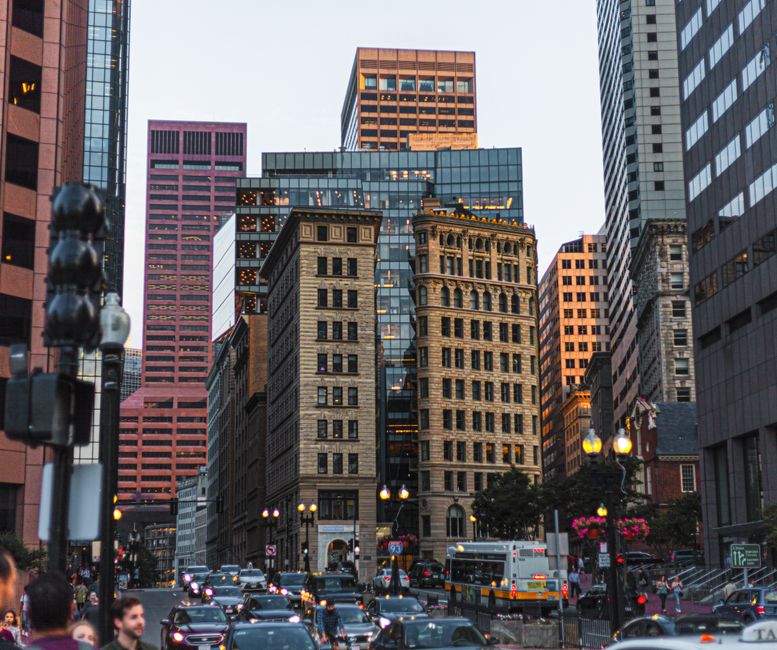
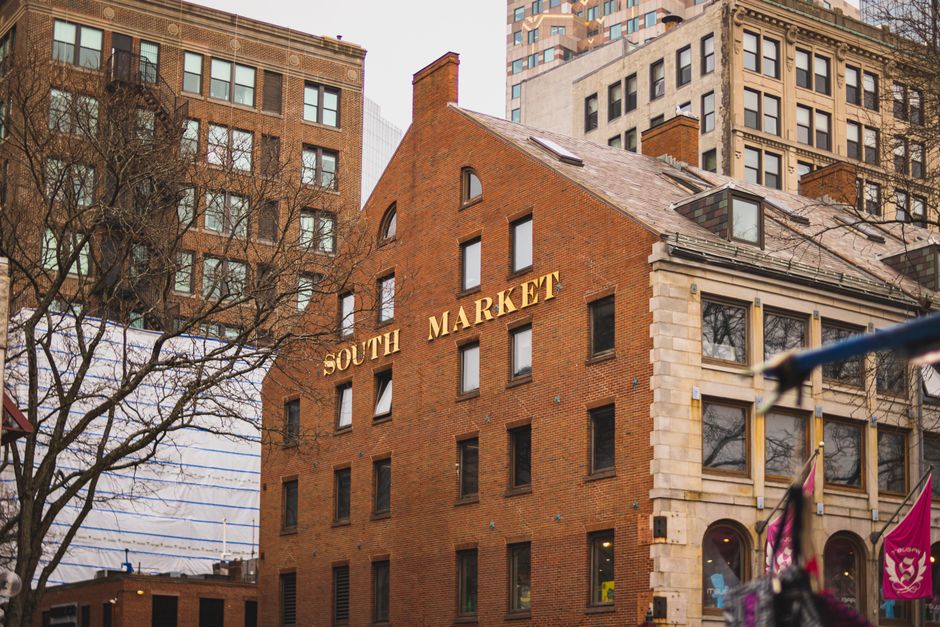
Walk down Hanover Street in the North End or browse the storefronts along Newbury Street, and you'll see something shifting beneath the surface of Boston's celebrated small business culture. The independent cafes, bakeries, and boutiques that define neighborhood character are facing a rental crisis that few residents fully understand—and it's about to hit your wallet.
Commercial rent in Boston's prime neighborhoods has surged roughly 35-40% over the past three years, according to commercial real estate brokers tracking the market. A modest 800-square-foot storefront that rented for $3,500 monthly in 2023 now commands $4,800 to $5,200. For a small business operating on typical 5-8% profit margins, that's not just a nuisance—it's existential.
The pressure comes from institutional investors and larger chains snapping up leases, driving competition for limited retail space. Meanwhile, inflation and rising labor costs compound the squeeze. When your landlord raises rent by $1,400 per month, you can't simply absorb it. Your prices go up, your hours shrink, or you close.
This matters to everyday Bostonians in three concrete ways. First, your neighborhood's character depends on this ecosystem. The independent bakery on Charles Street, the vintage bookshop in Jamaica Plain, the family-run restaurants in Allston—these aren't luxuries. They're economic anchors that draw foot traffic, create local jobs, and make neighborhoods livable rather than generic.
Second, consolidation is already happening. Chain establishments can weather rent hikes better than independents. As local owners exit, you'll see more sameness: the same coffee chains, the same fast-casual formats. Less diversity, fewer local jobs, reduced tax revenue for the city.
Third, prices will rise across the board. When small businesses can't negotiate economies of scale like major corporations, they pass costs to customers. Your morning coffee costs what it does partly because the shop owner pays premium rent for that prime corner location.
Some business owners are adapting—moving to Dorchester, Roxbury, and other neighborhoods with lower rents. Others are exploring shared kitchen spaces or pop-up models. The City of Boston has launched small business support initiatives, but they're insufficient against market forces.
The question facing residents now is whether you'll actively support independents as their economics grow tougher, or watch passively as Boston's retail landscape homogenizes. Your choice matters more than you probably realize.
This article was compiled by AI and screened before publishing. See our editorial standards.