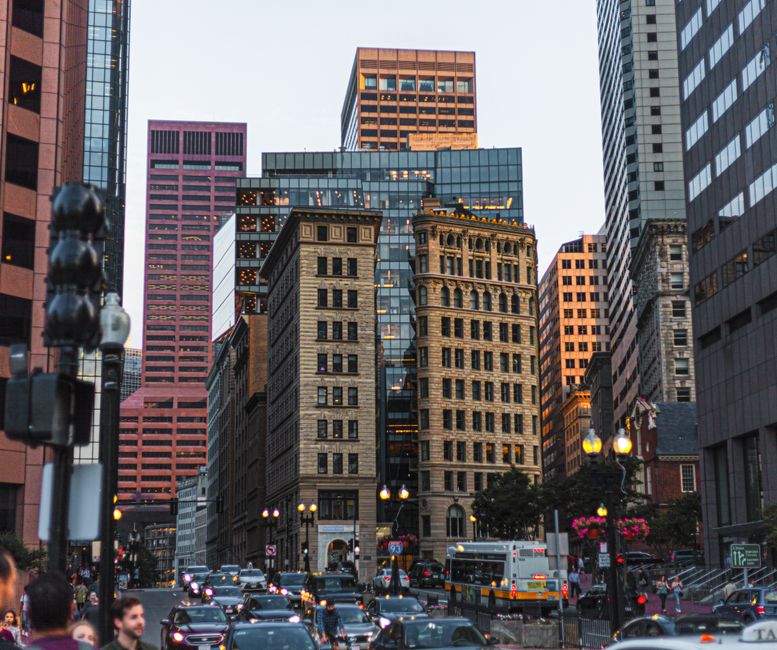
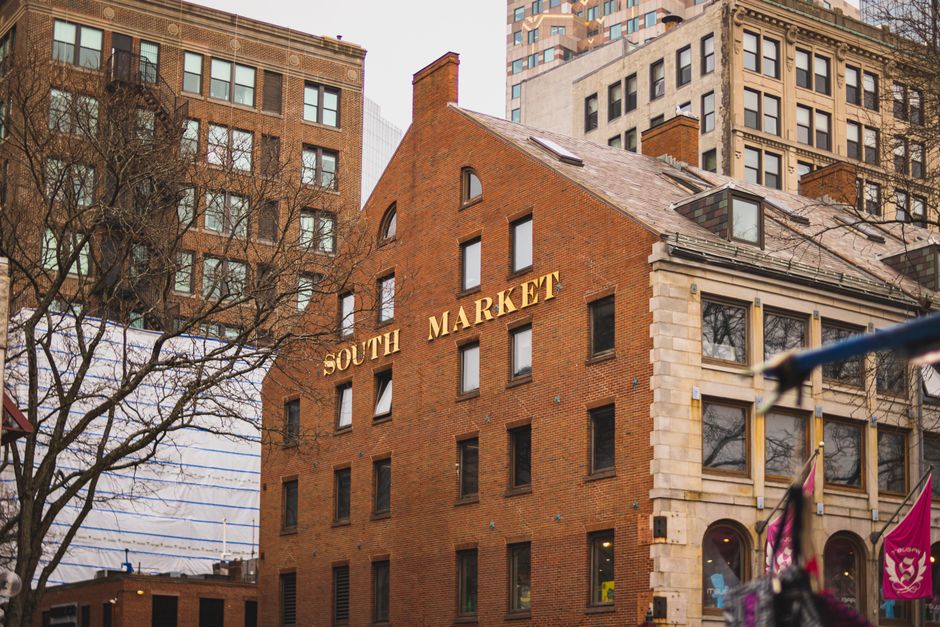
Boston's innovation district is experiencing a seismic shift. The convergence of record federal investment in biotech research, post-pandemic talent migrations, and aggressive real estate development along the Seaport and around the Longwood Medical Area has created a rare window of opportunity—one that early movers are already exploiting.
The numbers tell a compelling story. According to recent data from Boston's Innovation District office, life sciences companies have leased more than 2.8 million square feet in the past 18 months, with average rents in the Seaport now hovering around $85 per square foot annually—up 34 percent since 2022. Yet demand continues to outpace supply. Venture capital deployment into Massachusetts-based startups reached $8.2 billion last year, with biotech and healthcare technology accounting for roughly 61 percent of that total.
The real beneficiaries extend beyond founders and their investors. Commercial real estate firms focused on life sciences—including those managing properties along Sleeper Street and around the Fort Point Channel—have repositioned themselves as specialized brokers rather than generalists. Several have hired dedicated biotech leasing teams and now command premium commissions. Meanwhile, architectural and engineering firms specializing in laboratory buildouts report backlogs extending into 2027.
Perhaps more intriguingly, the ecosystem's support infrastructure is evolving rapidly. Accelerators like those operating from the Dock Street area and venture studios connected to major academic institutions have shifted their focus to earlier-stage companies, sensing opportunity in the funding abundance. Some are reporting deal flow increases of 40 to 50 percent year-over-year.
The Longwood Medical Area—home to Harvard Medical School, Boston Children's Hospital, and Brigham and Women's Hospital—has become a particular hotbed. Spin-out companies from these institutions, which historically faced barriers to capital, are now finding funding doors wide open. Several venture managers have established permanent offices within walking distance of these anchor institutions.
Not everyone benefits equally, however. Smaller, unfunded startups are feeling intense pressure as landlords prioritize well-capitalized tenants. And neighborhoods adjacent to the innovation corridor—including parts of Dorchester and Roxbury—remain largely disconnected from the economic gains, a reality prompting conversations among city officials about inclusive growth strategies.
For now, the window remains open. But as competition for laboratory space intensifies and real estate prices climb, the advantage belongs to those already positioned in the ecosystem—whether as investors, operators, or service providers with specialized expertise.
This article was compiled by AI from the sources linked above and screened before publishing. See our editorial standards.