Boston's Restaurant Boom Signals Investor Confidence: What the Numbers Tell Us
Recent capital flows into the city's food and hospitality sector reveal shifting consumer patterns and why major financial firms are betting big on Seaport and Back Bay.
Recent capital flows into the city's food and hospitality sector reveal shifting consumer patterns and why major financial firms are betting big on Seaport and Back Bay.
Boston's restaurant and hospitality sector is sending unmistakable economic signals—and the investment community is listening. Over the past eighteen months, venture capital and private equity firms have deployed more than $340 million into local food service, hotel renovations, and experiential dining concepts, according to preliminary data from the New England Venture Capital Association. That figure represents a 23% increase from the equivalent period in 2024, marking a notable reversal after years of cautious spending.
The shift reflects broader economic confidence. Average restaurant revenue across Greater Boston rose 8.7% year-over-year through Q2 2026, outpacing the national average of 5.2%, according to preliminary National Restaurant Association figures. Labor costs have stabilized at roughly 31% of revenue—down from pandemic peaks of 34%—giving operators clearer margin visibility and encouraging expansion plans.
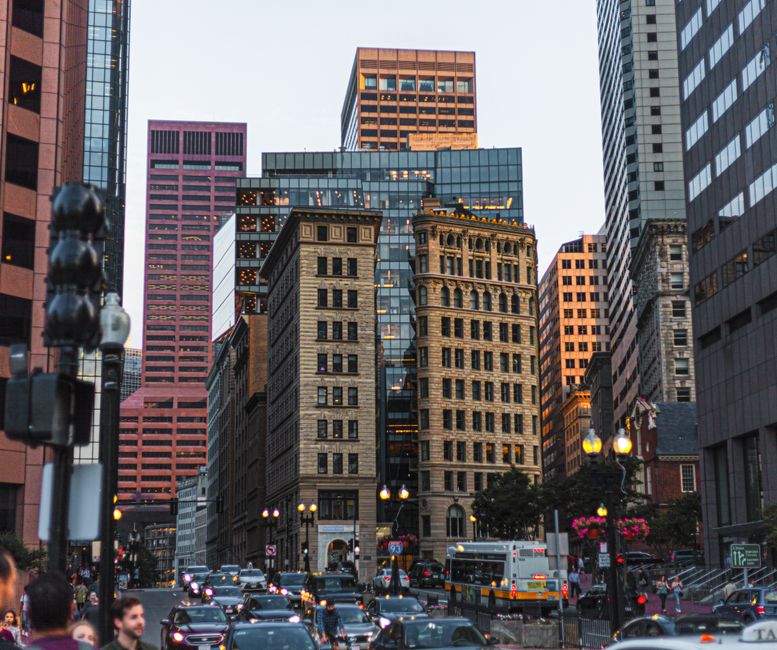
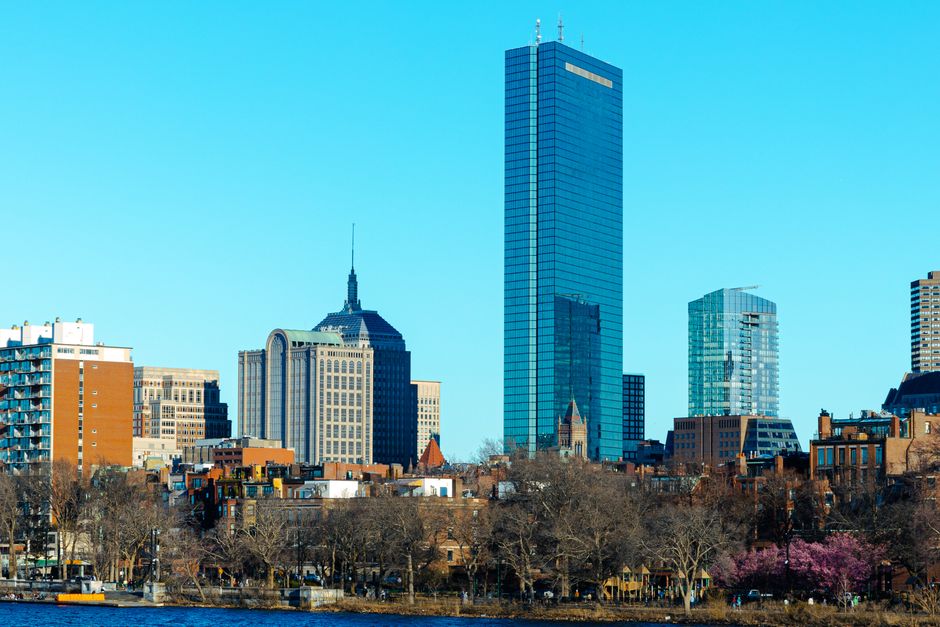
The Seaport District epitomizes this momentum. Real estate brokers report that ground-floor hospitality spaces along the Harborwalk are commanding rents between $150 and $185 per square foot, a 12% bump from two years ago. Three major restaurant groups have announced new concepts for the neighborhood in the past six weeks alone. Meanwhile, Back Bay's Newbury Street continues attracting upscale casual concepts, with several heritage retail spaces being converted to food-forward experiences—a trend driven by foot traffic data showing visitor counts recovering to 2019 levels.
Hotel development tells a parallel story. Four significant renovation projects representing roughly $280 million in capital are underway across downtown Boston, Cambridge, and the Longwood Medical Area. Industry analysts point to corporate travel recovery as the primary driver; business travel spending in Massachusetts rose 19% in the first half of 2026 compared to last year, suggesting companies feel confident booking meetings and conferences again.
What's particularly striking is where capital is flowing beyond the obvious neighborhoods. Mission Hill, Roxbury, and the Allston-Brighton corridor are attracting emerging chef entrepreneurs and smaller investment groups seeking lower entry barriers. Average startup costs for a 2,000-square-foot casual dining concept in these areas run $400,000 to $600,000—roughly half the Seaport equivalent—making them attractive proving grounds.
Employment data reinforces optimism. The hospitality sector added approximately 4,200 jobs across Massachusetts in Q1 2026, with the greater Boston area accounting for roughly 60%. Wage growth in the sector hit 6.3% year-over-year, suggesting both tighter labor markets and employer confidence in sustainable demand.
For investors and business leaders, the message is clear: Boston's food and hospitality economy isn't merely recovering—it's restructuring around new consumer preferences and geographic opportunities. Capital flows follow confidence, and by that measure, this sector has genuine momentum heading into 2027.
This article was compiled by AI from the sources linked above and screened before publishing. See our editorial standards.
How does this story make you feel?
Spread the word
About this article
Published by The Daily Boston
Daily brief
Free, in your inbox before 7am. Weekdays.
More in Business