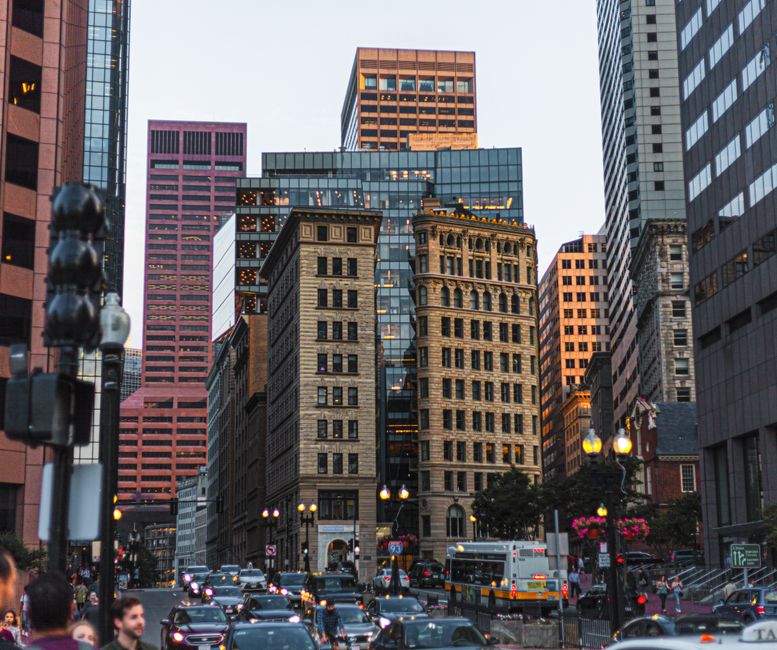
Walk down Massachusetts Avenue in Kendall Square on any given afternoon, and the energy still feels palpable. Glass-fronted offices line the block, their logos emblazoned across gleaming façades. Yet behind the polished veneer, Boston's startup ecosystem is confronting a convergence of headwinds that are reshaping the landscape that once seemed unstoppable.
The numbers tell a sobering story. Early-stage venture funding in Massachusetts dropped 34 percent year-over-year through the first half of 2026, according to recent data from regional investment trackers. For a region that prides itself as a global innovation hub—second only to Silicon Valley—the slowdown represents a significant reality check after years of explosive growth.
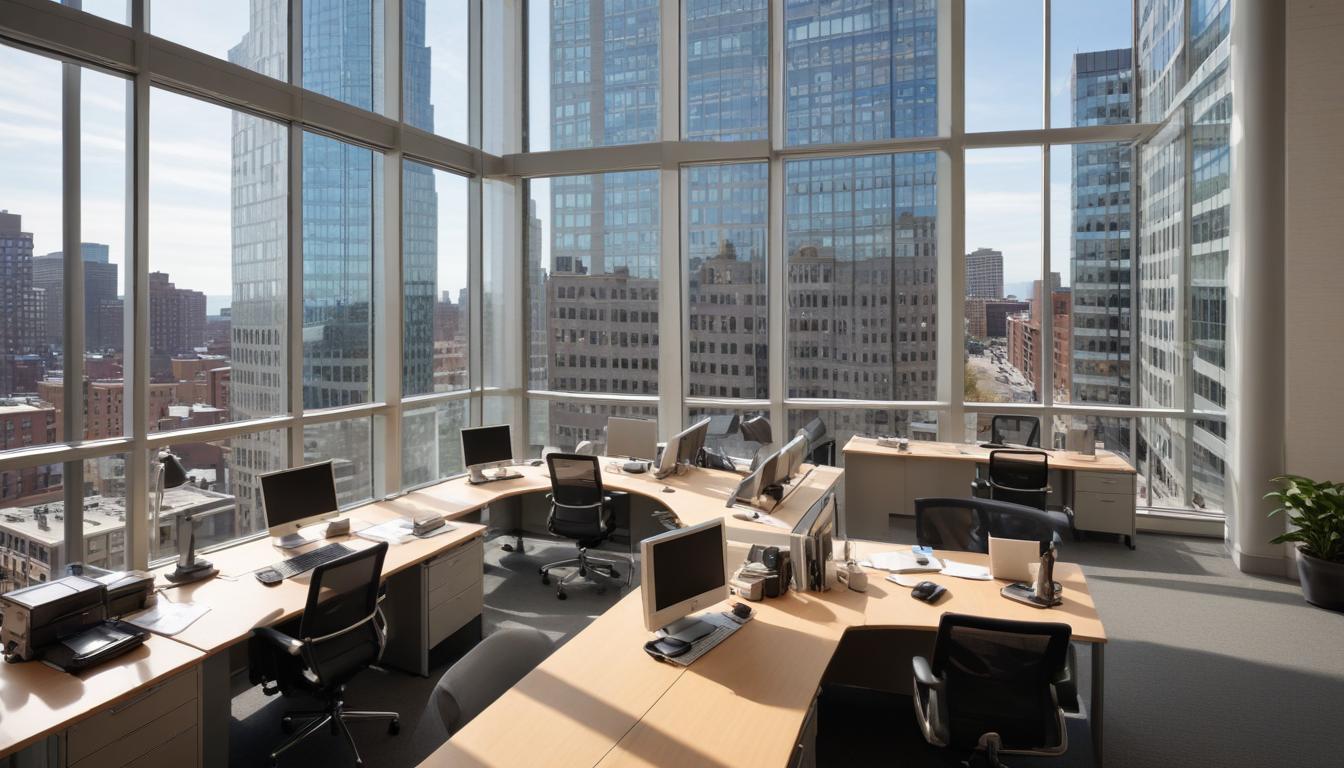
Real estate costs are squeezing startups hardest. A 5,000-square-foot office in Kendall Square now averages $95 per square foot annually, nearly double the rate from five years ago. Cambridge-adjacent neighborhoods like Somerville and Medford have become increasingly attractive alternatives, but the commute calculus grows complicated for companies trying to attract talent to areas lacking the density of amenities that drew workers to urban cores.
Talent retention is another acute problem. The region's most ambitious engineers and product leaders are migrating to Austin, Miami, and Denver—cities offering lower costs of living and fewer Massachusetts winters. The Boston area's unemployment rate sits at 3.1 percent, yet startup hiring has effectively flatlined compared to 2024 and 2025. Companies report that experienced hires demand premium salaries to offset the region's cost of living, an unsustainable equation for many seed and Series A operations.
The Massachusetts Institute of Technology, Harvard University, and Boston University remain catalysts for innovation, but their institutional advantage has become less differentiated in an era when knowledge transfers instantly across geographies. Startup accelerators that once filtered promising ventures—including the MIT-affiliated Sloan Entrepreneurship Lab and various Cambridge-based incubators—report declining applications from first-time founders.
Some leaders remain optimistic. The innovation district concept, spanning Kendall Square, the Seaport District, and areas around Boston University, still attracts meaningful institutional capital. Established tech companies including Google, Amazon, and Wayfair maintain significant Boston-area operations that serve as talent pipelines and acquisition targets.
Yet the mood in coffee shops along Lansdowne Street and networking events across the district has shifted noticeably. Founders speak less about scaling and more about survival. The startup ecosystem that seemed destined for perpetual expansion now faces the uncomfortable task of adapting to a more constrained reality.
This article was compiled by AI and screened before publishing. See our editorial standards.