Boston's tourism sector is experiencing a resurgence that hasn't been seen in nearly a decade. International visitor arrivals to the city jumped 34 percent year-over-year through the first half of 2026, according to preliminary data from the Greater Boston Convention & Visitors Bureau, with the average hotel room rate climbing to $289 per night—a figure last seen in 2019.
The opportunity is reshaping neighborhoods from Beacon Hill to Seaport. Hotel operators who expanded capacity over the past 18 months are now reporting 89 percent occupancy rates during peak summer weeks. The recently renovated Renaissance Boston Waterfront, which added 40 rooms in 2024, has maintained near-full booking calendars, while smaller boutique properties along Charles Street are commanding premium nightly rates by investing in curated guest experiences rather than competing on volume alone.
The real money, however, isn't just in hotel beds. Walking tours of the Freedom Trail are fully booked six weeks in advance. Reservation-based dining at Michelin-starred restaurants in Back Bay routinely requires deposits. And a new cohort of hospitality entrepreneurs is capitalizing on the surge: experiential tour operators, craft beverage companies offering tastings, and luxury transportation services shuttling visitors between the waterfront and Cambridge are all reporting triple-digit revenue growth.
"We saw the demand signal in late 2024," said one local hospitality investor who declined attribution. "The operators who acted immediately—who hired kitchen staff before the spring rush, who booked tour guides in January—those are the ones whose margins are healthy right now."
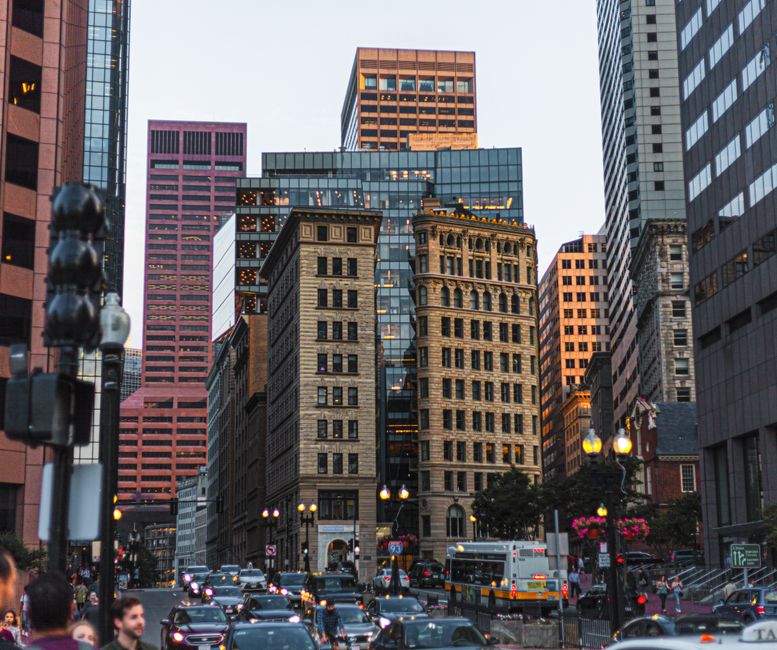
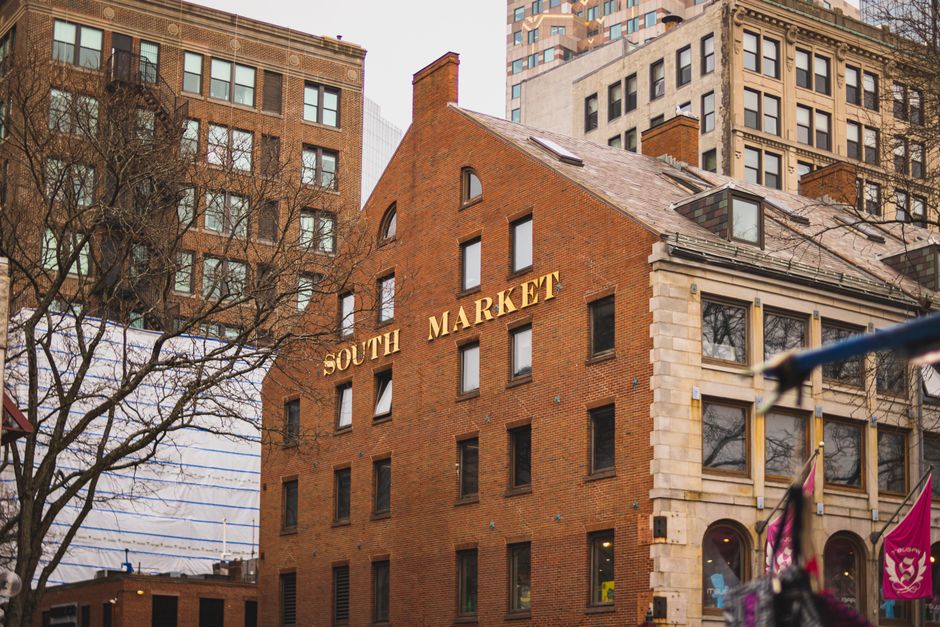
Not all neighborhoods are benefiting equally. While Faneuil Hall and the Seaport District are thriving, some business owners in outer neighborhoods like Jamaica Plain report that visitor traffic remains uneven, suggesting the tourism recovery is still heavily concentrated in downtown and harborside zones.
The Boston business community's ability to sustain this momentum depends on infrastructure and service quality. Restaurants and hotels that overextended without upgrading kitchen equipment or training staff are already facing reviews that could undermine long-term gains. The window to establish premium positioning—charging rates that reflect quality rather than mere scarcity—may narrow as supply catches up to demand by late 2027.
For now, though, Boston's visitor economy presents a rare convergence: strong demand, pricing power, and early-mover advantage. The question for the next 12 months isn't whether the opportunity exists. It's who will capitalize on it before the market reaches equilibrium.
This article was compiled by AI and screened before publishing. See our editorial standards.