Boston's Small Business Landscape Shifts: What Entrepreneurs Must Know About Q3 Market Trends
Rising commercial rents, changing consumer behaviour, and supply chain pressures are reshaping opportunities for independent operators across the city.
Rising commercial rents, changing consumer behaviour, and supply chain pressures are reshaping opportunities for independent operators across the city.
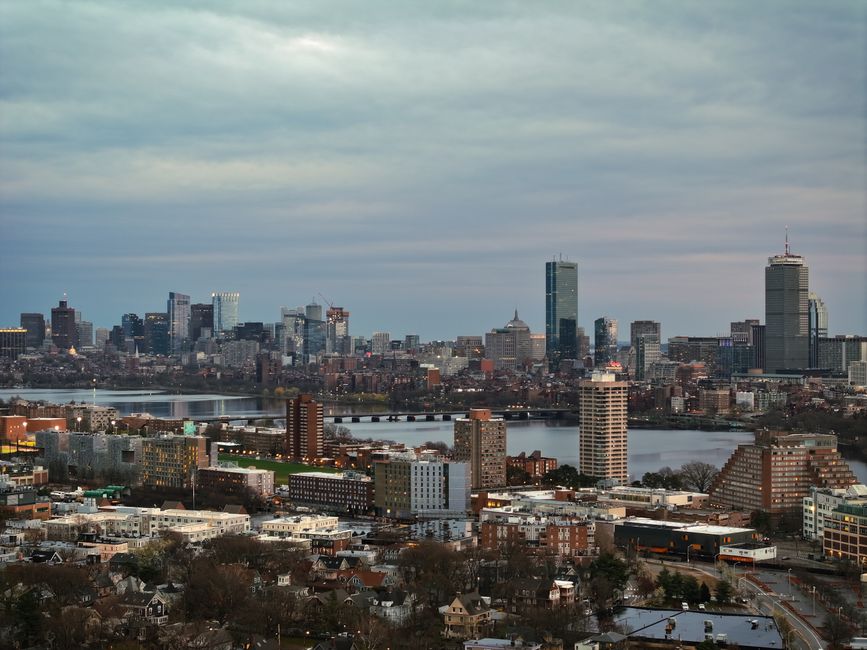
Boston's small business community faces a critical inflection point as market conditions evolve rapidly through mid-2026. Recent data paints a complex picture: while consumer spending remains resilient in neighborhoods like Back Bay and the Seaport District, operational costs are climbing at unprecedented rates, forcing entrepreneurs to recalibrate their strategies.
Commercial rents along Hanover Street in the Financial District have jumped approximately 12% year-over-year, according to local commercial real estate brokers, pricing out some independent retailers and forcing others to relocate to emerging areas like Assembly Row in Somerville or Jamaica Plain's Centre Street corridor. "We're seeing a flight from premium downtown locations," says the Greater Boston Chamber of Commerce, noting that entrepreneurs are increasingly exploring secondary neighborhoods with lower overhead and loyal customer bases.
The trend toward hybrid consumer behavior—a blend of in-person and digital engagement—has become non-negotiable. Independent coffee shops, bookstores, and specialty retailers that thrived solely on foot traffic are now investing heavily in e-commerce platforms and social media presence. Margins on these investments remain tight, with digital marketing costs consuming 8-15% of many small retailers' budgets, up from 4-6% two years ago.
Supply chain normalization, while generally positive, has introduced new complications. Businesses report that wholesale prices for inventory remain elevated compared to pre-pandemic levels, particularly for goods imported through Port of Boston operations. Independent grocers and specialty food shops are navigating thin margins as they balance competitive pricing with sustainability concerns.
Labor market dynamics present another significant challenge. Boston's unemployment rate sits below 4%, but wage pressures persist, particularly in hospitality and food service sectors. Small restaurant owners report average hourly wages for kitchen staff have risen to $18-22 per hour, substantially impacting profitability.
However, opportunities abound for nimble operators. The surge in remote work has revitalized neighborhood commercial districts as office satellites and coworking arrangements expand. Entrepreneurs offering specialized services—accounting, design, wellness consulting—are finding receptive audiences in communities like West End and South Boston.
For Boston's business owners, the message is clear: adaptation remains essential. Success in Q3 2026 and beyond depends on understanding local market nuances, maintaining financial flexibility, and recognizing that the small business landscape is no longer defined by location alone. Those investing in digital infrastructure while maintaining authentic neighborhood presences are positioning themselves most effectively for sustained growth.
This article was compiled by AI and screened before publishing. See our editorial standards.
How does this story make you feel?
Spread the word
About this article
Published by The Daily Boston
Daily brief
Free, in your inbox before 7am. Weekdays.
More in Business