Boston Commercial Real Estate 2026: Mixed-Use Adaptive Reuse Boom
Boston's 14.8% office vacancy spurs mixed-use transformation. Explore how Seaport developers reshape commercial spaces blending work, retail, and community across Greater Boston.
Boston's 14.8% office vacancy spurs mixed-use transformation. Explore how Seaport developers reshape commercial spaces blending work, retail, and community across Greater Boston.
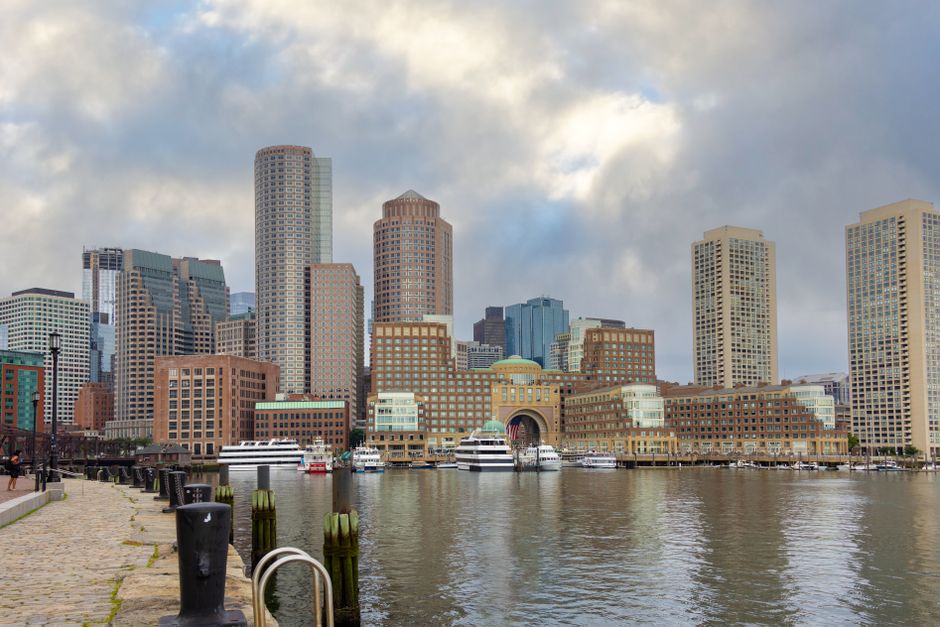
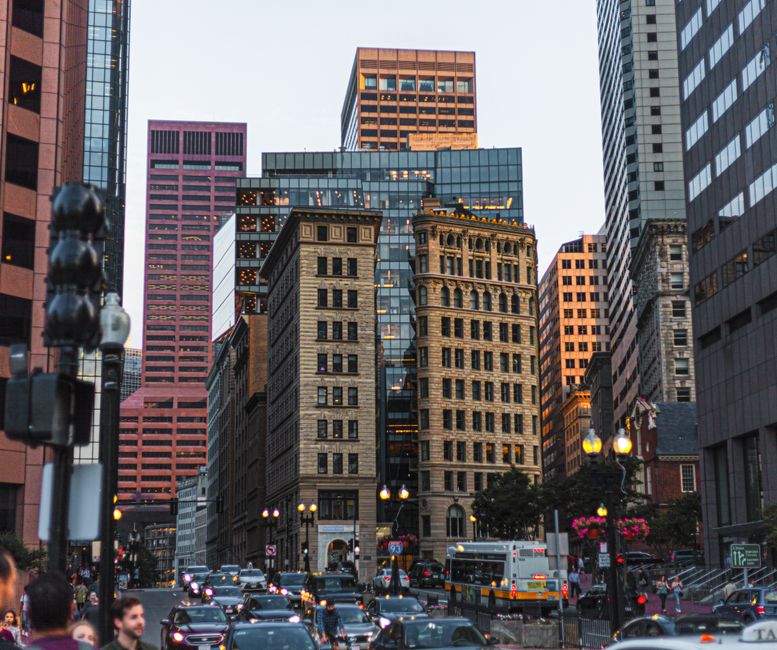
The Boston commercial real estate market has undergone seismic shifts since 2020, but while many developers retreated, a handful of local players doubled down on transformation. The shift from traditional office-centric properties to flexible, mixed-use spaces has become the defining narrative of 2026—and one Seaport-based firm is leading the charge with projects that are redefining what "workplace" means across the region.
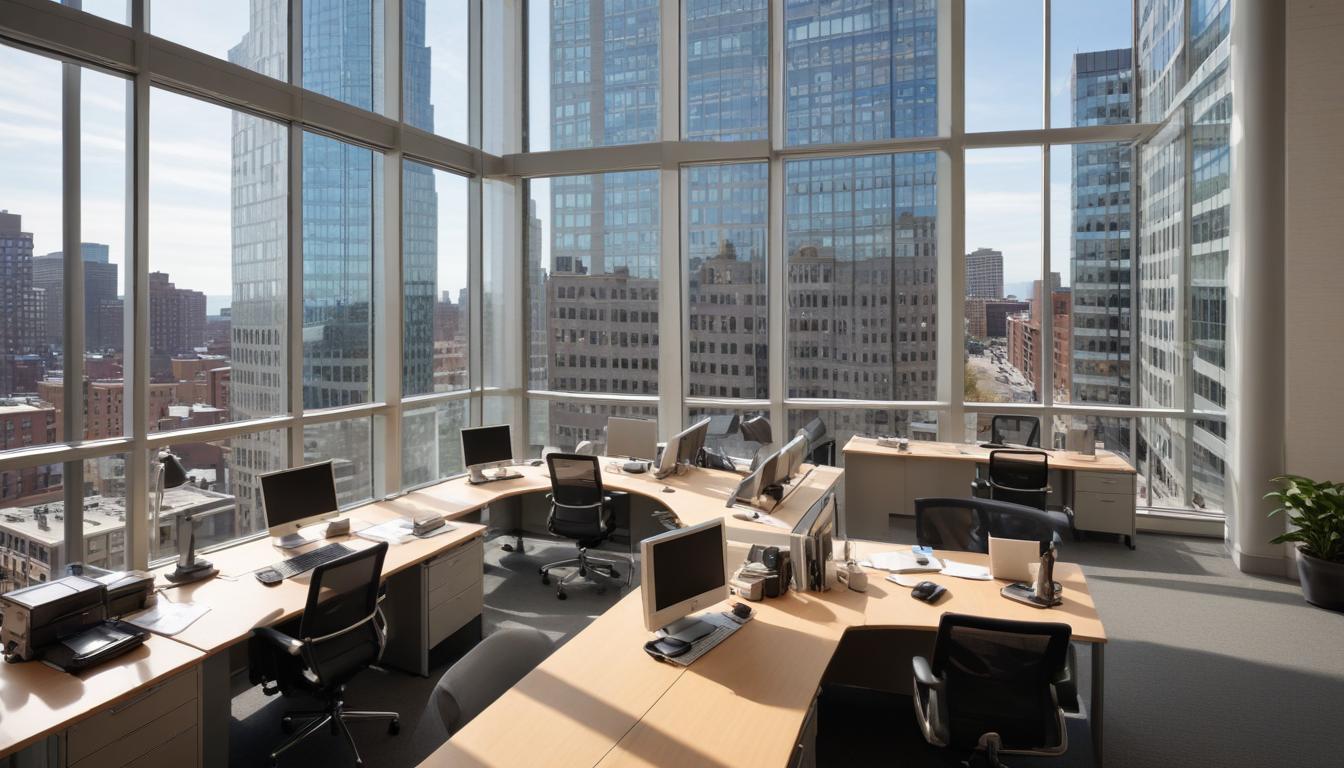
According to CoStar Group data released last quarter, Greater Boston's office vacancy rate hovers near 14.8%, the highest in two decades. Yet selective pockets—particularly along the Greenway corridor and parts of Cambridge's Kendall Square—remain competitive. The average asking rent has softened to $28.50 per square foot annually, down from $31.75 in early 2024, prompting landlords to rethink their product entirely.
Enter the trend toward adaptive reuse. Several notable conversions have emerged: a former insurance headquarters on Milk Street now houses a hybrid of startup offices, a grocer, and community co-working space. A 1980s tech park in Waltham has been reimagined as a live-work complex with residential units stacked above flexible office suites. These projects recognize a fundamental truth: employers and workers no longer view office space as a static commodity but as part of a lifestyle ecosystem.
The demographic driving this shift is younger companies and knowledge workers increasingly demanding walkability, retail adjacency, and wellness amenities. A developer's success now hinges on understanding not just occupancy rates but employee retention, commute times, and neighborhood vibrancy. Buildings with ground-floor retail, rooftop gardens, and integrated dining options command premiums despite softer overall market conditions.
On the investment side, cap rates for mixed-use commercial properties have compressed to 5.2–5.8% in prime Boston neighborhoods, reflecting sustained appetite for well-executed repositioning plays. Venture capital firms and established real estate funds are increasingly competing for development rights on underperforming assets, particularly in secondary markets like Somerville and Medford, where land costs remain reasonable and transit access is improving.
The lesson for Boston's commercial landscape is clear: the next generation of office success belongs not to those clinging to traditional models, but to developers creative enough to blur traditional boundaries. As we head into the second half of 2026, expect more conversions, more mixed-use experimentation, and continued pressure on purely office-focused properties lacking amenity diversity.
For Boston's business community, the message is equally stark: the office is dead, long live the workplace ecosystem.
This article was compiled by AI and screened before publishing. See our editorial standards.
How does this story make you feel?
Spread the word
About this article
Published by The Daily Boston
Daily brief
Free, in your inbox before 7am. Weekdays.
More in Business