Boston's hospitality sector is experiencing a notably sharp uptick this summer, with early data suggesting leisure and business travel have bounced back to pre-pandemic trajectory levels faster than most industry analysts predicted. For operators who positioned themselves strategically over the past eighteen months, the payoff is arriving now.
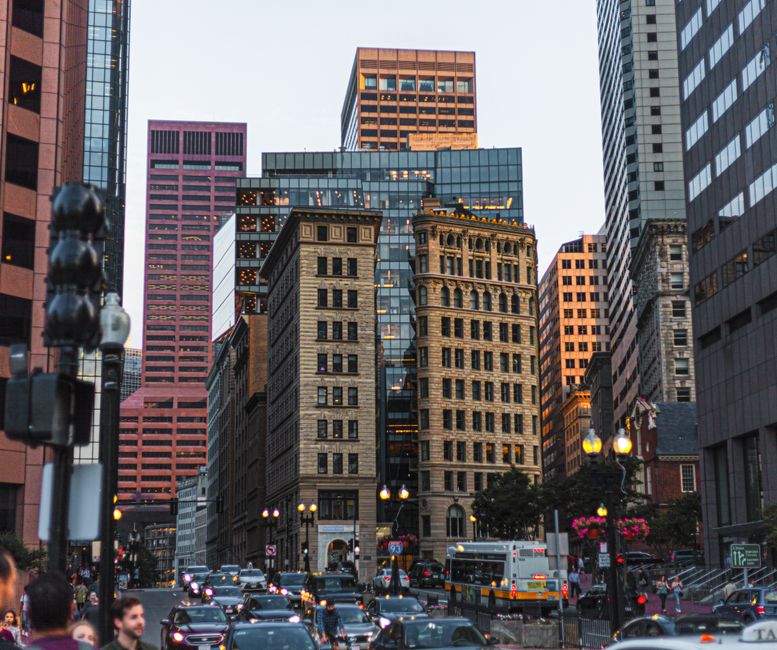
The Massachusetts Restaurant Association reported last month that seated covers across the Greater Boston area climbed 12 percent year-over-year through May, with June tracking even stronger. Downtown properties along the Greenway corridor—from the Haymarket area through the Rose Kennedy Greenway itself—are reporting 85 to 90 percent occupancy rates during weekdays, a figure typically reserved for fall foliage season.
Back Bay and the Seaport District, already competitive markets, are seeing the most aggressive expansion. Several mid-size operators have opened second and third locations. Those who invested in outdoor seating capacity during the past two years—particularly establishments with Hanover Street access or patios overlooking the harbor—are running extended waits during peak hours.
The opportunity, however, is increasingly granular. While high-profile establishments capture headlines, the real margin growth is occurring in the middle market: restaurants averaging $2 to $4 million in annual revenue, staffed by fifteen to thirty employees, operating in neighborhoods like Jamaica Plain, Somerville, and Cambridge. These operators benefit from lower overhead while capturing spillover demand from downtown's capacity constraints.
Labor remains the persistent challenge. Despite wage increases of 8 to 12 percent across kitchen and front-of-house positions, retention rates in Boston hospitality hover around 60 percent annually—higher than the national average but still problematic for consistency. Operators who've invested in training programs and stable scheduling are pulling ahead.
Hotel occupancy across Boston proper sits at 78 percent, according to preliminary June figures from the Boston Convention and Visitors Bureau. The Seaport's newer properties—where room rates have stabilized around $280 to $320 nightly—are performing above projections. Older properties in Prudential Center and the Financial District are experiencing renovations funded by improved cash flow.
Perhaps most intriguingly, smaller boutique operators are gaining ground. Locally-owned hospitality groups with three to five properties across different neighborhoods are outperforming chain establishments by offering personalized service and neighborhood authenticity that travelers increasingly seek.
The trajectory suggests this isn't purely seasonal demand. Corporate meeting business is rebooking at higher volumes, and international visitors—particularly from Canada and Western Europe—are returning. For operators who've maintained service standards through leaner periods, this summer represents capital opportunity. For those caught flat-footed, the window for entry is narrowing.
This article was compiled by AI from the sources linked above and screened before publishing. See our editorial standards.