How Global Upheaval Is Reshaping Boston's Restaurant and Retail Landscape
Geopolitical tensions, supply chain disruptions, and disease outbreaks are forcing local hospitality businesses to rethink sourcing, pricing, and operations.
Geopolitical tensions, supply chain disruptions, and disease outbreaks are forcing local hospitality businesses to rethink sourcing, pricing, and operations.
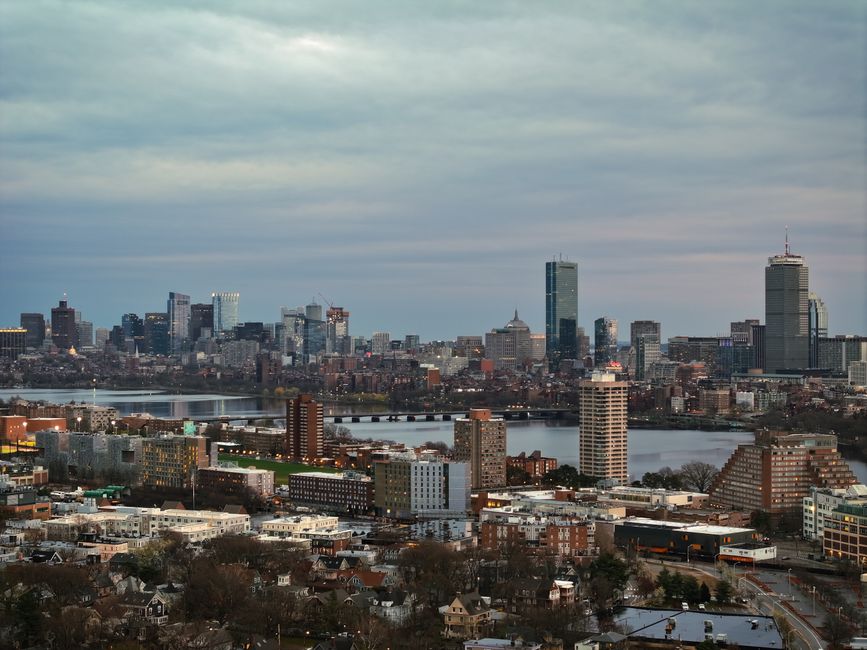
Boston's thriving restaurant and retail scene is facing unprecedented pressure from global instability that's rippling through Back Bay, the Seaport, and beyond. From ingredient sourcing to labor costs, business owners say the interconnected crises dominating international headlines are no longer distant concerns—they're hitting the bottom line.
The escalating tensions between the U.S. and Iran have created particular anxiety for restaurants heavily dependent on Middle Eastern supply chains. Imports of spices, grains, and specialty ingredients that typically arrive through Persian Gulf ports face mounting delays and tariff uncertainty. Owners of Mediterranean and Middle Eastern establishments along Hanover Street in the North End report ingredient costs have risen 15-20% in recent months, forcing difficult menu repricing decisions.
Meanwhile, the Ebola outbreak in the Democratic Republic of Congo is triggering unexpected complications for Boston's seafood and specialty food sectors. Several local importers source minerals and natural gums from Central Africa used in food processing and preservation. The mobility restrictions and mass gathering bans have disrupted logistics, creating bottlenecks that trickle into suppliers for high-end restaurants in Back Bay and the Beacon Hill area.
Labor availability compounds these challenges. The violence in Pakistan and Afghanistan has slowed immigration processing for workers seeking visa sponsorships—a critical pipeline for Boston's hospitality sector, which relies heavily on immigrant workers. The Massachusetts Restaurant Association estimates the region faces a 12-15% staffing shortfall compared to pre-2025 levels, forcing establishments from Newbury Street boutiques to Seaport dining destinations to raise wages and reduce operating hours.
Retail leaders report similar pressures. Luxury goods retailers on Newbury Street depend on stable international trade flows and consumer confidence. Recent geopolitical volatility has dampened high-net-worth spending patterns, with some boutique owners reporting foot traffic down 8-10% year-over-year. Consumer uncertainty about global stability has shifted spending toward essential goods rather than discretionary fashion and home furnishings.
Yet some Boston business leaders see opportunity. Local farm-to-table restaurants—a growing segment from Jamaica Plain to Cambridge—are capitalizing on disrupted global supply chains by deepening relationships with New England producers. Several Seaport establishments have recently expanded regional sourcing initiatives, promoting local resilience as both a business strategy and marketing advantage.
As these global pressures intensify, Boston's hospitality and retail sectors are learning that insulation from international events is increasingly impossible. Adaptation and localization are no longer optional strategies—they're becoming survival skills.
This article was compiled by AI and screened before publishing. See our editorial standards.
How does this story make you feel?
Spread the word
About this article
Published by The Daily Boston
Daily brief
Free, in your inbox before 7am. Weekdays.
More in Business