Why Boston's Office Crisis Should Matter to Your Wallet and Your Neighbourhood
As commercial real estate reshapes, here's what residents need to know about rising rents, changing streetscapes, and your tax bill.
As commercial real estate reshapes, here's what residents need to know about rising rents, changing streetscapes, and your tax bill.
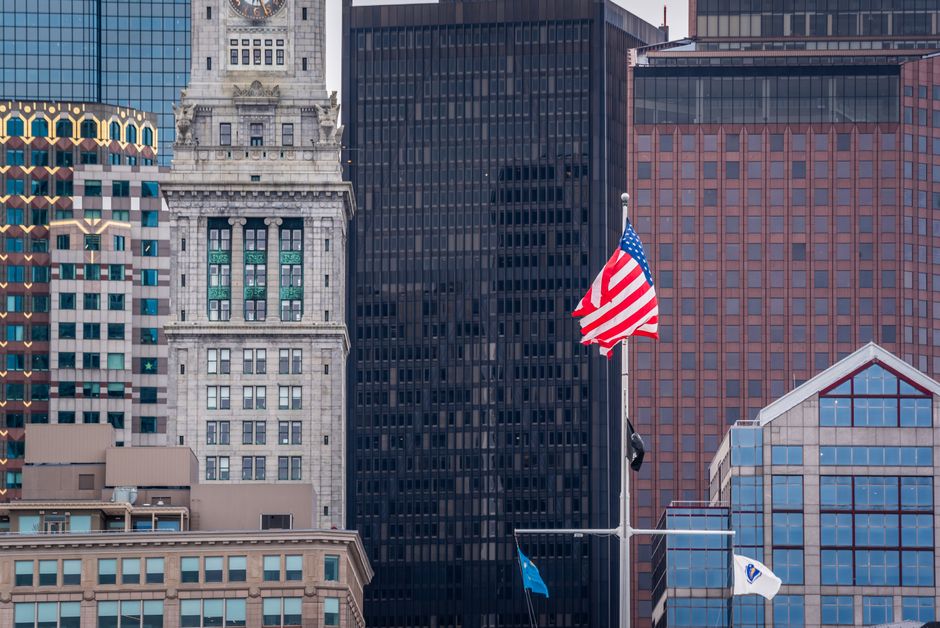
Boston's downtown office market is undergoing a seismic shift, and while it might seem like a concern only for corporate tenants and landlords, the ripple effects are already hitting residents where it counts: their neighbourhoods, their rents, and their property taxes.
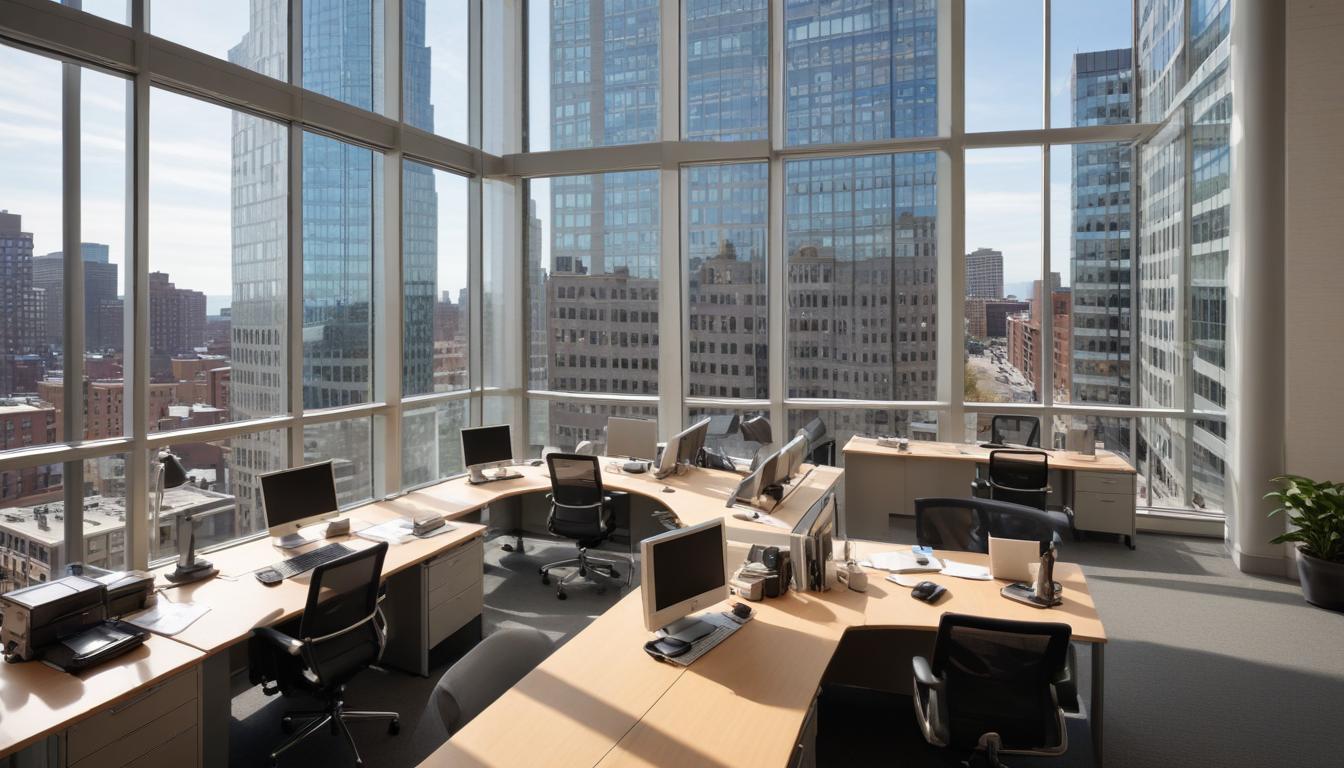
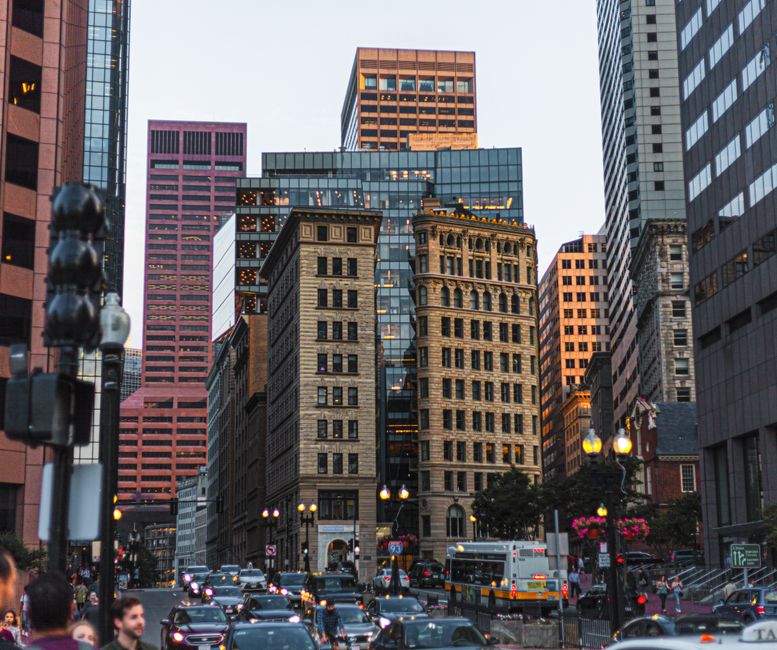
The numbers tell the story. Downtown Boston's office vacancy rate has climbed to roughly 18 percent—the highest in decades—as companies embrace hybrid work models and downsize their footprints. Major office towers along the Financial District's Federal Street corridor sit partially empty, a stark contrast to the pre-pandemic demand that kept vacancy rates under 5 percent. For residents, this matters because empty buildings generate no tax revenue while still requiring city services, which eventually gets passed along to homeowners and renters.
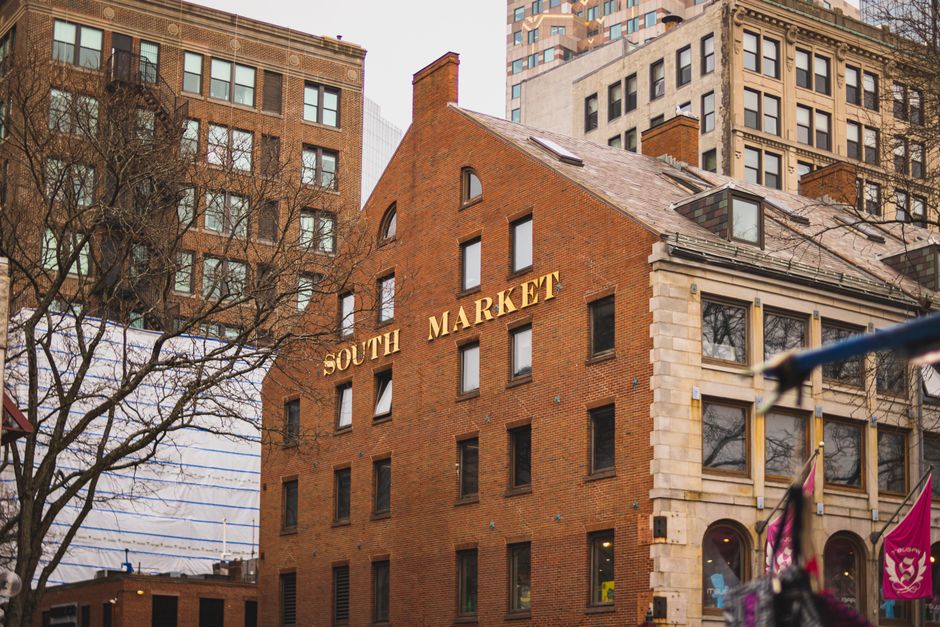
The transformation is already visible on the ground. In the Seaport District, where glass office complexes once dominated new development, there's been a strategic pivot toward mixed-use projects that combine residential units with ground-floor retail and dining. This reshaping of what gets built in Boston will define neighbourhood character for decades. Meanwhile, landlords desperate to fill vacancies are offering unprecedented concessions—free rent months, renovated lobbies, subsidised transit passes—tactics that ultimately signal weakness in a market that seemed unshakeable.
For renters, particularly in neighbourhoods like the Back Bay, Beacon Hill, and Cambridge, there's a complicated picture. While office contraction might eventually cool commercial real estate values, property owners typically pass rising costs to residential tenants as one way to maintain margins. Young professionals and families should expect landlords to scrutinize finances more carefully and demand longer leases as they stabilise their mixed portfolios.
The broader question facing city planners and residents alike: what happens to those vacant office towers? Adaptive reuse—converting offices into housing—could ease Boston's acute housing shortage. Some proposals are already underway, but zoning restrictions and conversion costs remain barriers. Without action, expect more empty buildings, deteriorating streetscapes, and reduced economic vitality in downtown corridors.
Boston residents have a stake in these discussions. Attend community meetings when developers propose reuse projects. Understand that your property taxes may face pressure if office revenue declines. And recognise that how Boston adapts to this office market correction will shape whether our city becomes more affordable and liveable, or more fractured by vacancy and decline.
The commercial office crisis isn't just a headline for business pages. It's happening on your street.
This article was compiled by AI from the sources linked above and screened before publishing. See our editorial standards.
How does this story make you feel?
Spread the word
About this article
Published by The Daily Boston
Daily brief
Free, in your inbox before 7am. Weekdays.
More in Business