Boston's Innovation Engine Sputtering: What's Behind the Startup Slowdown
After years of explosive growth, the city's famed entrepreneurial ecosystem faces rising rents, talent drain, and investor caution in 2026.
After years of explosive growth, the city's famed entrepreneurial ecosystem faces rising rents, talent drain, and investor caution in 2026.
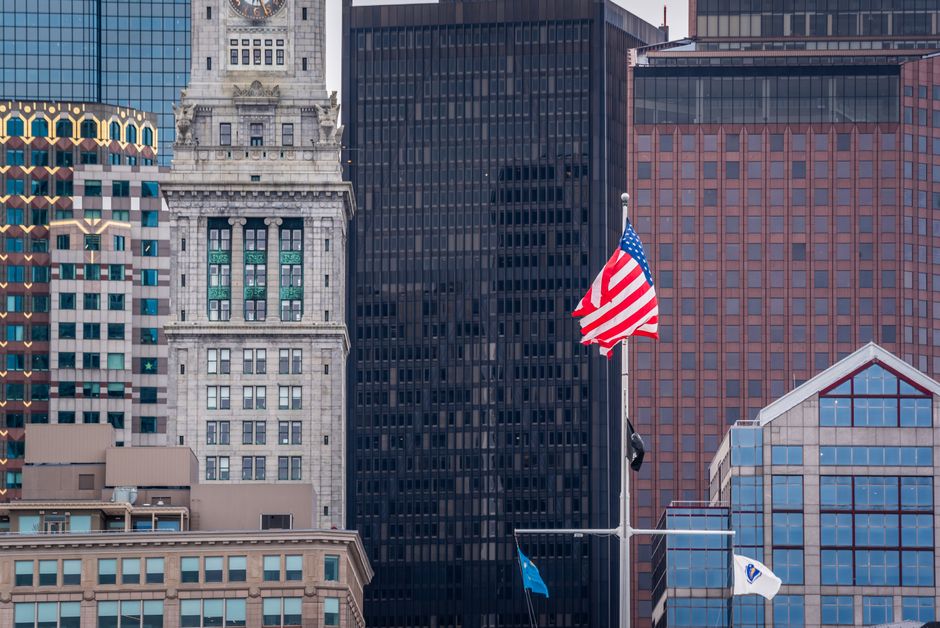
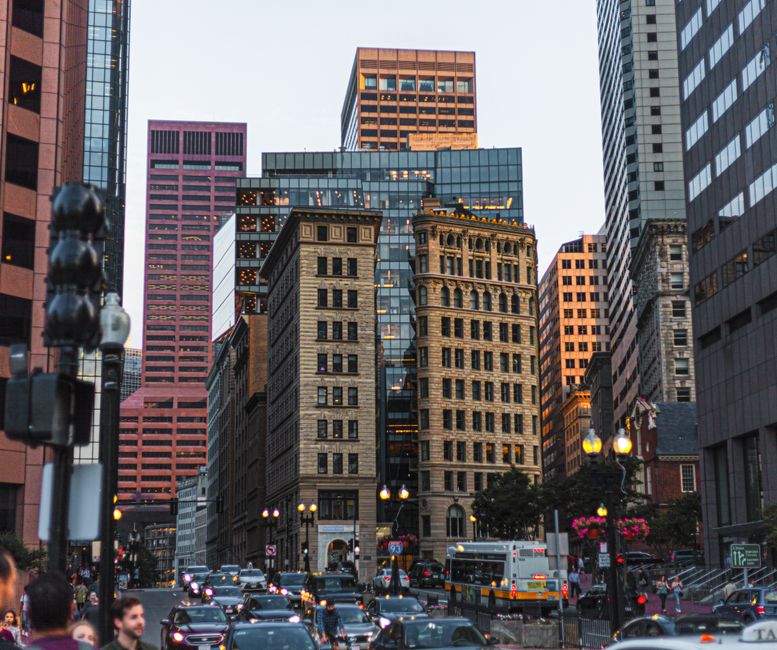
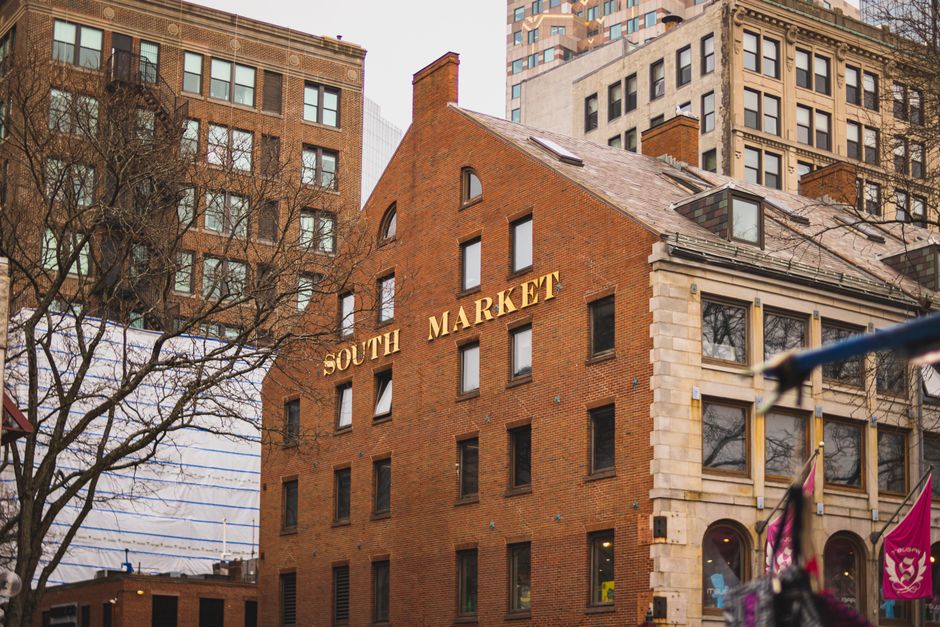
Boston's startup scene, long celebrated as a rival to Silicon Valley, is hitting turbulence. From the corridors of Cambridge's Kendall Square to the converted warehouses of Seaport District, founders and venture capitalists are grappling with a harsh reality: the conditions that once made this city a global innovation hub are deteriorating fast.
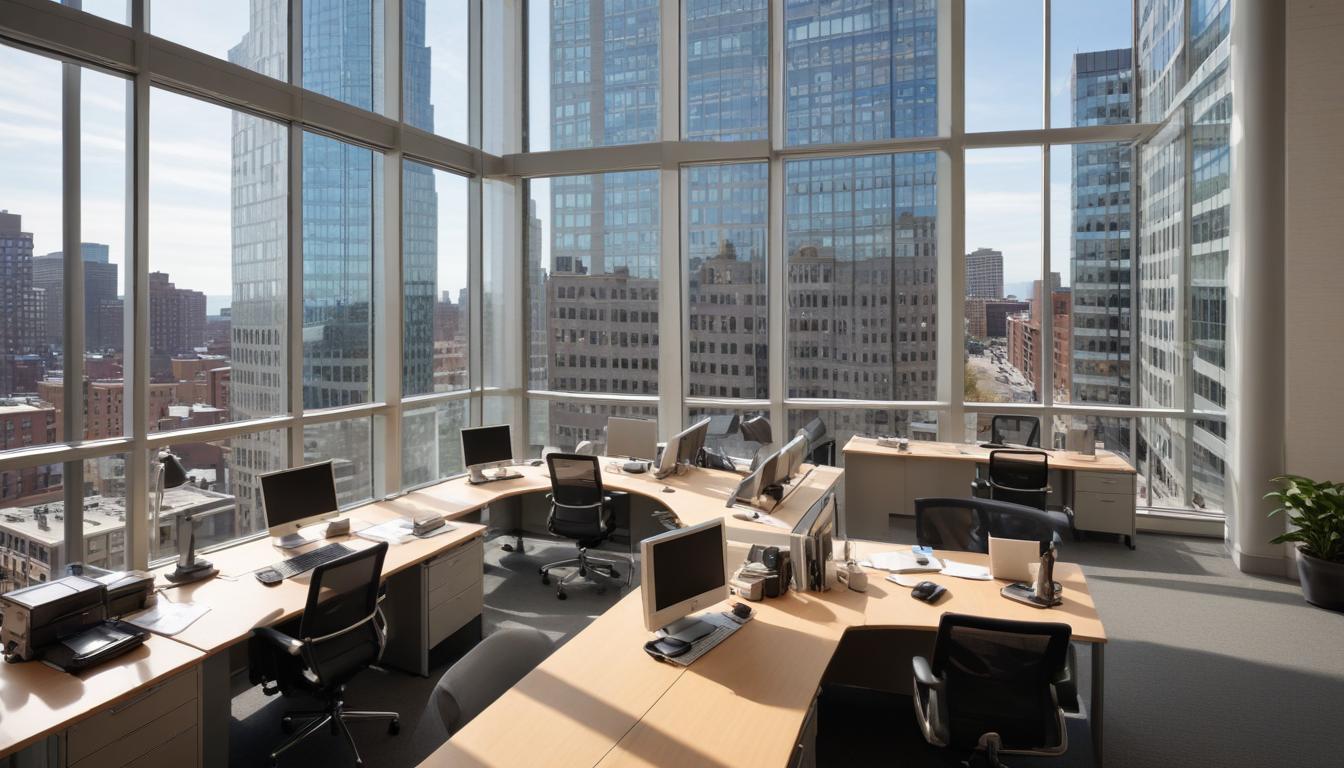
The headwinds are multifaceted. Real estate costs in key startup neighborhoods have become prohibitive. Office space in Seaport now averages $85 per square foot annually—a 34% jump since 2022—forcing early-stage companies to abandon plans for physical headquarters. Kendall Square, historically the epicenter of biotech and software innovation, faces similar pressures as institutional landlords capitalize on the district's prestige.
Talent acquisition has grown fiercer and more expensive. Tech salaries in the Boston area have climbed 18% year-over-year, outpacing national averages, even as remote-work policies allow companies nationwide to poach local talent. Universities like MIT and Harvard continue producing exceptional graduates, but many are increasingly drawn to better-compensated roles at established firms or, counterintuitively, smaller hubs with lower living costs.
Venture funding tells an even starker story. Boston-area startups raised $6.2 billion in the first half of 2026, down 27% from the same period last year, according to preliminary data. Several prominent funds have tightened their check-writing practices, favoring later-stage companies with proven revenue models over the early-stage bets that once defined the city's risk appetite.
Regulatory uncertainty hasn't helped. Massachusetts' evolving data privacy legislation and proposed tax changes on capital gains have some investors hedging their bets or redirecting capital to more predictable markets. Meanwhile, broader economic caution—triggered partly by geopolitical tensions and inflation concerns—has made limited partners more conservative about committing fresh capital to regional funds.
The challenges have sparked soul-searching among the institutions that anchor Boston's ecosystem. Incubators and accelerators operating from offices around Innovation District neighborhoods are rethinking their models. Some are shrinking cohort sizes; others are pivoting toward virtual programming to reduce overhead.
Yet Boston hasn't lost its fundamentals. The concentration of research institutions, healthcare systems, and established biotech firms remains unmatched. Whether that foundation proves resilient enough to weather the current downturn—and reignite the city's entrepreneurial spark—remains the defining question for 2026.
This article was compiled by AI and screened before publishing. See our editorial standards.
How does this story make you feel?
Spread the word
About this article
Published by The Daily Boston
Daily brief
Free, in your inbox before 7am. Weekdays.
More in Business