Boston's tourism industry is confronting an uncomfortable reality: the world's instability is directly hitting the city's bottom line. As geopolitical tensions from the Middle East to Central Africa dominate global headlines, hotel occupancy rates along the Freedom Trail corridor and in Back Bay are declining faster than hospitality leaders anticipated, signaling a broader challenge for a visitor economy that generated $17.1 billion in spending last year.
The Greater Boston Convention & Visitors Bureau reports that international visitor bookings for summer 2026 are down 12 percent compared to the same period last year—a significant dip largely attributed to travel hesitancy among European and Middle Eastern tourists. Hotels from the Newbury Street district to the Seaport have adjusted their summer pricing strategies downward, with average nightly rates dropping roughly 8 percent to remain competitive. The Fairmont Copley Plaza and Mandarin Oriental Boston, which typically command premium rates from international clientele, have felt this pressure acutely.
"We're seeing behavioral shifts we haven't encountered in years," says a spokesperson for the Boston Hotels Association. The organization notes that while domestic leisure travel remains stable, the high-spending international visitor—who typically spends 30 percent more than domestic tourists—is increasingly cautious about international travel plans.
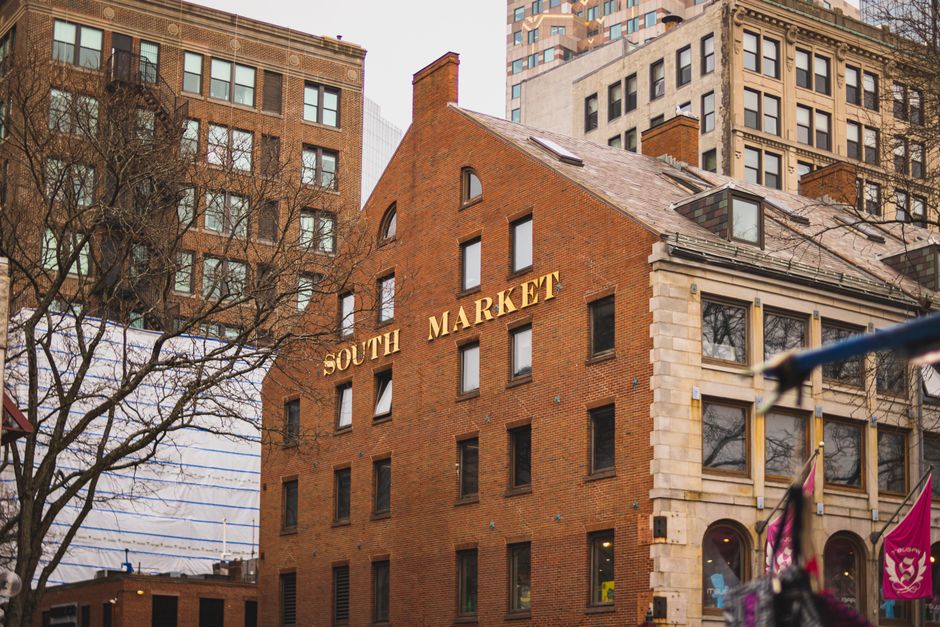
The ripple effects extend beyond hotels. Tour operators around Boston Common and along the Charles River Esplanade report softer demand for premium packages. Restaurants in the North End and Theater District, which depend heavily on expense-account international visitors, are adjusting their reservation patterns. Even iconic venues like Faneuil Hall and Quincy Market have noted reduced foot traffic from overseas tour groups.
Meanwhile, Boston's convention calendar has experienced cancellations. Two major European industry conferences scheduled for September have postponed, citing organizer concerns about transatlantic travel. This threatens an estimated $8 million in direct spending that would have benefited downtown properties and local venues.
Yet the crisis also presents opportunity. The Boston Convention & Visitors Bureau is pivoting its marketing strategy, aggressively targeting domestic markets—particularly wealthy Northeast and Midwest regions—with expanded digital campaigns emphasizing Boston's cultural heritage and culinary scene. Forward-thinking hospitality operators are investing in contactless technologies and flexible cancellation policies to rebuild consumer confidence.
Industry analysts suggest Boston's visitor economy, while resilient, faces a recalibration. The city's long-term competitiveness depends on its ability to diversify visitor sources and adapt messaging to an increasingly uncertain global environment. What happens in geopolitical hotspots now directly determines occupancy rates on Hanover Street.
This article was compiled by AI and screened before publishing. See our editorial standards.