Boston's Tech Talent Exodus Creates Golden Opportunity for Mid-Market Firms
As major corporations downsize remote workforces, smaller companies and startups across the city are snapping up experienced professionals at competitive rates.
As major corporations downsize remote workforces, smaller companies and startups across the city are snapping up experienced professionals at competitive rates.
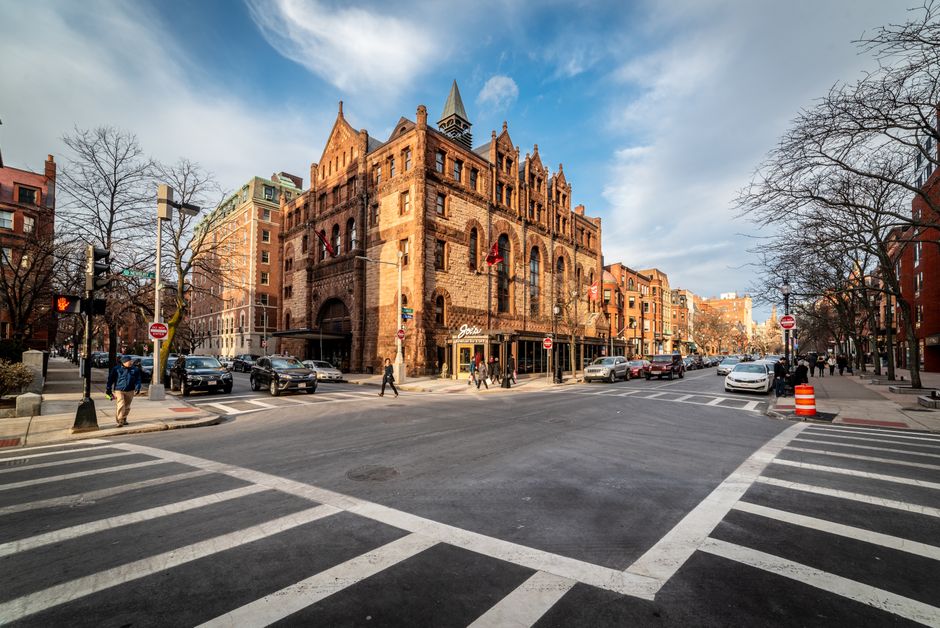
Boston's job market is undergoing a quiet recalibration that's creating unexpected winners. While household names like Google and Amazon have trimmed their Massachusetts headcount over the past eighteen months, a surge of mid-market technology firms, consulting shops, and specialized service providers are aggressively hiring—and already reaping the benefits of a talent pool that was locked down at premium companies just months ago.
The shift is most visible in Cambridge and the Seaport District, where the availability of experienced software engineers, product managers, and data scientists has fundamentally altered hiring dynamics. Companies along Atlantic Avenue and in the Kendall Square innovation corridor report that candidates who previously wouldn't interview are now actively exploring opportunities. Salary expectations have moderated slightly from pandemic peaks, yet remain robust—mid-level engineers are typically commanding $160,000 to $190,000 base compensation, down roughly 8-12% from 2024 peaks but still well above pre-pandemic norms.
The beneficiaries fall into distinct categories. Venture-backed firms with solid funding—particularly those in fintech, healthcare technology, and climate tech—are expanding rapidly. One Seaport-based insurtech startup recently hired twelve engineers in a single quarter, a pace that would have been impossible two years ago. Established consulting firms and boutique professional services organizations are similarly strengthening bench capacity. And perhaps most significantly, regional companies that had struggled to compete with Silicon Valley for talent are finally finding their footing in Boston's market.
"The dynamics have normalized," explains a recent analysis from the Boston Chamber of Commerce. The region's unemployment rate hovers near 3.8%, lower than the national average, yet job openings per available worker has declined from the frenetic 1.8-to-1 ratio of 2022 to a more sustainable 1.2-to-1.
Not all Boston workers are benefiting equally. Administrative and support roles—concentrated in downtown office parks along Washington Street and in the Financial District—remain under pressure as companies maintain remote-first policies. Meanwhile, healthcare and life sciences sectors, anchored by institutions along the Longwood Medical Area, continue hiring steadily, suggesting structural shifts in the regional economy.
The opportunity window appears real but time-bound. Executive recruiters report that the candidate surplus is stabilizing rather than expanding, suggesting the market could tighten again if economic conditions shift. For Boston's mid-market firms that move decisively now, however, the chance to build experienced teams at reasonable cost may not last through 2027.
This article was compiled by AI from the sources linked above and screened before publishing. See our editorial standards.
How does this story make you feel?
Spread the word
About this article
Published by The Daily Boston
Daily brief
Free, in your inbox before 7am. Weekdays.
More in Business