Boston's Office Market Faces Perfect Storm of Headwinds in 2026
Rising interest rates, persistent remote work adoption, and a glut of new supply are squeezing landlords and investors across the city's prime commercial corridors.
Rising interest rates, persistent remote work adoption, and a glut of new supply are squeezing landlords and investors across the city's prime commercial corridors.
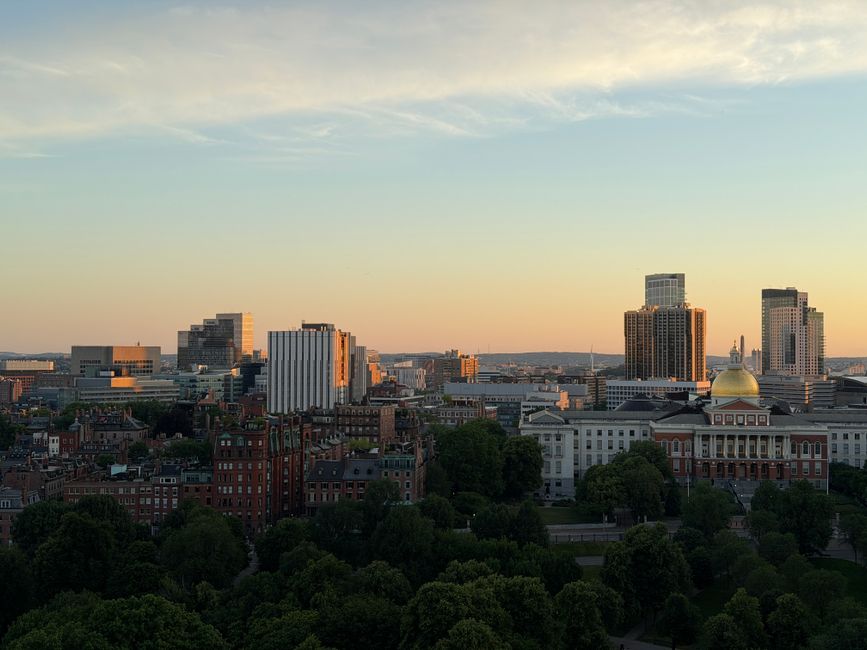
Boston's commercial real estate sector is confronting a convergence of challenges that show little sign of abating. After years of relative stability, the office market that anchors the city's financial district and innovation corridors is grappling with elevated vacancy rates, compressed valuations, and an uncertain outlook for tenant demand.
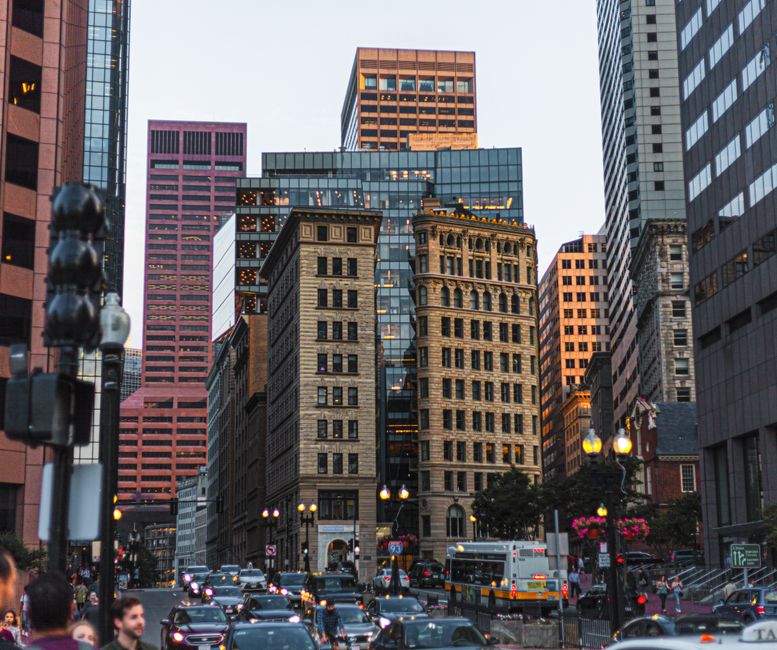
The statistics paint a sobering picture. Vacancy rates in the Financial District have climbed to 16.2 percent, their highest level since 2010, while asking rents have plateaued around $65 per square foot—down from the $72 average posted just two years ago. Seaport District properties, once the darling of venture-backed companies and consultancies, are similarly struggling, with several Class A buildings offering unprecedented concessions to secure tenants.
The root causes are familiar but potent. The Federal Reserve's higher-for-longer interest rate policy has dramatically increased cap rates and financing costs, making property acquisitions less attractive. A 400-basis-point cap rate on a $50 million property creates vastly different return profiles than the environment investors enjoyed in 2022.
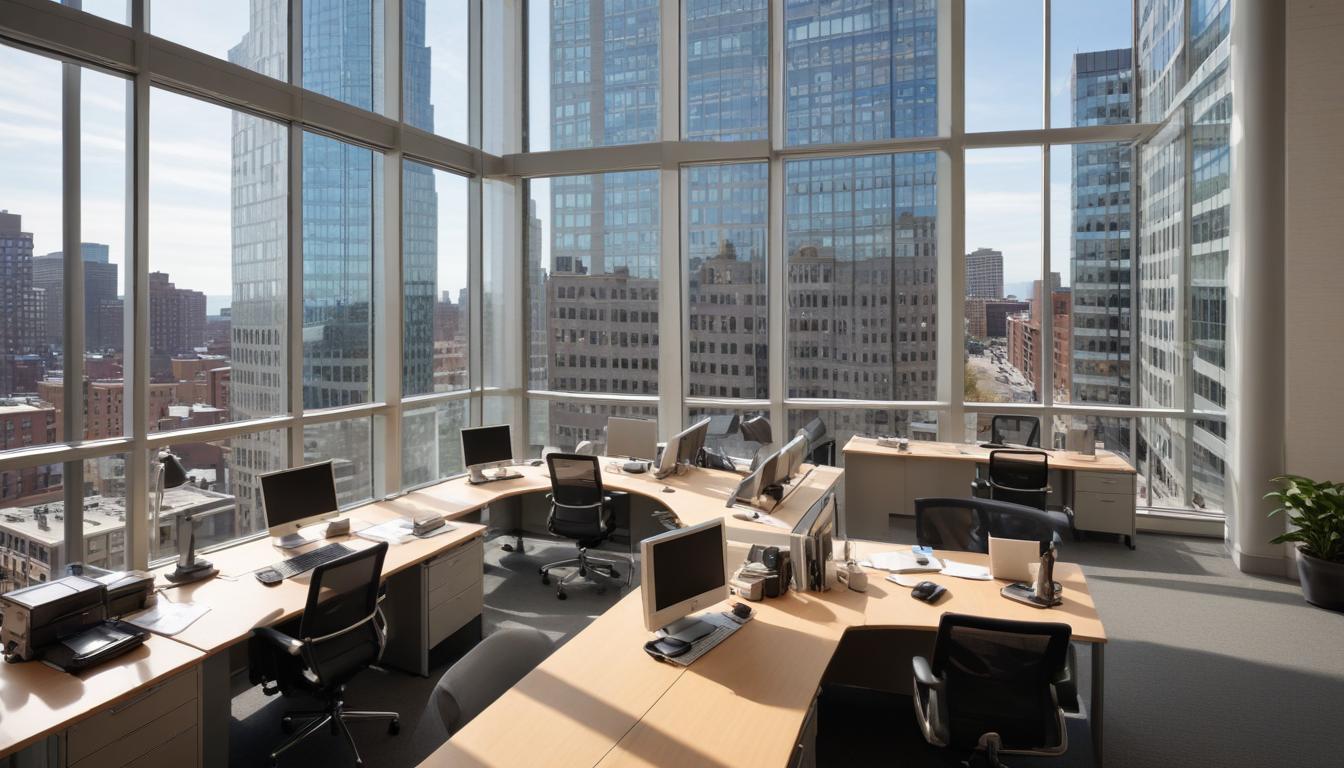
Meanwhile, the post-pandemic shift to hybrid and fully remote work continues reshaping demand. Major employers—from insurance firms in the Back Bay to biotech companies along Route 128—have downsized their committed space, with no widespread reversal in sight. Office utilization surveys suggest many Boston firms are now operating at 60 percent occupancy or lower, a structural headwind that defies cyclical recovery assumptions.
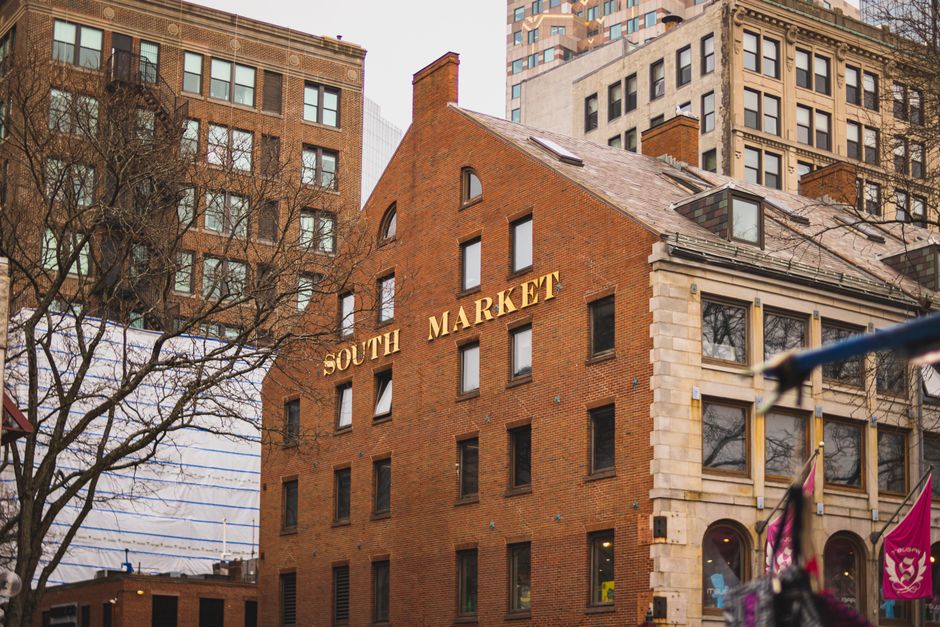
Supply pressures compound the issue. Ongoing deliveries from projects greenlit in the boom years—including developments near South Station and along Hanover Street in the Financial District—are hitting the market precisely when tenant appetite is weakening. Real estate observers expect another 2.5 million square feet of office space to be completed within the next 24 months.
Some bright spots exist. Life sciences and biotech continue to command premium rents in Cambridge and Kendall Square, while select downtown neighborhoods benefit from residential conversion opportunities. Yet for traditional Class B office stock—the backbone of many neighborhood portfolios—the outlook remains decidedly murky.
Lenders and REITs holding portfolios weighted toward conventional office exposure face mounting pressure. Refinancing risks loom large for assets maturing in 2026 and 2027, particularly for properties unable to attract marquee tenants or command top-tier rents. Distressed sales, long predicted but slow to materialize, may finally accelerate.
For investors, brokers, and property managers, 2026 demands realistic forecasting and strategic repositioning. The era of passive office ownership is over. Market recovery, if it comes, will be uneven and years away.
This article was compiled by AI and screened before publishing. See our editorial standards.
How does this story make you feel?
Spread the word
About this article
Published by The Daily Boston
Daily brief
Free, in your inbox before 7am. Weekdays.
More in Business