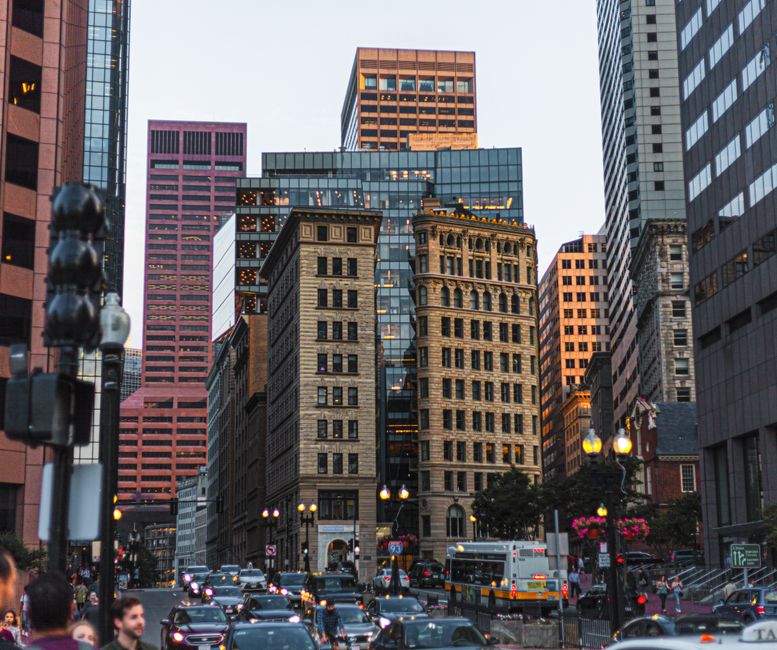
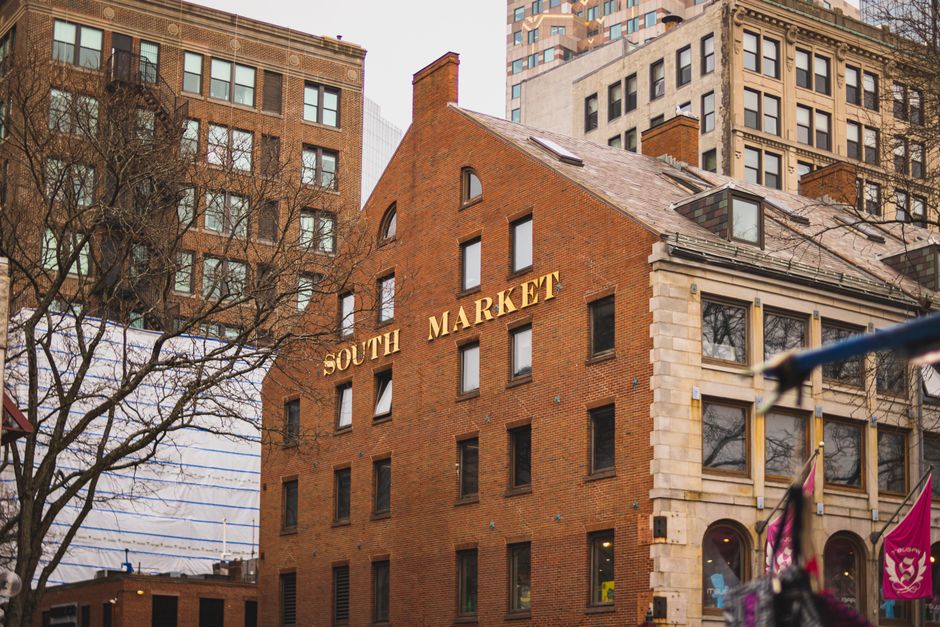
Walk down Newbury Street or through the Seaport's cobblestone blocks, and Boston's small business vitality appears undeniable. Yet beneath the surface of café-lined sidewalks and independent boutiques lies a sector under genuine strain. As we head into the second half of 2026, small business owners across Greater Boston are navigating a treacherous landscape of mounting operational costs, persistent labor shortages, and consumer spending that remains far more cautious than headline economic data suggests.
The numbers tell a stark story. Commercial rent in established neighborhoods like Back Bay and Cambridge has climbed roughly 8 percent year-over-year, pricing out marginal operators. A modest 2,000-square-foot retail space in the Prudential Center area now commands $6,500 to $8,500 monthly—a threshold many independent retailers simply cannot clear. Meanwhile, minimum wage increases and competitive salary demands have made payroll perhaps the most destabilizing line item on balance sheets. Massachusetts's minimum wage stood at $15 per hour through mid-2026, but service-sector employers report needing to offer $17 to $19 just to secure reliable workers.
Manufacturing and wholesale operations in the Seaport and nearby industrial zones face additional headwinds: supply chain volatility continues to make inventory planning a guessing game, while shipping costs—though moderating from pandemic peaks—remain substantially elevated compared to 2019 baseline figures.
Consumer behavior compounds these pressures. Despite low unemployment in the Boston metro area, discretionary spending has contracted. Local restaurant owners report foot traffic down 12 to 15 percent compared to early 2025, and independent retailers across Beacon Hill and the South End describe a customer base that's browsing more, purchasing less. Credit card data from the Federal Reserve's Boston branch suggests consumers are prioritizing essentials over experiential spending—bad news for boutique shops, fitness studios, and dining establishments.
The situation is not uniformly dire. Tech-adjacent service businesses, particularly those catering to the biotech corridor along the Cambridge-Boston axis, report resilience. But for traditional retail, hospitality, and local manufacturing, 2026 has become a year of difficult choices: trimming hours, narrowing inventory, postponing expansion, or accepting tighter margins.
Many operators point to policy uncertainty and inconsistent regulatory environments as invisible costs. The combination of municipal zoning complexities and shifting commercial property tax assessments creates planning paralysis for businesses considering growth or relocation within the metro area.
Boston's entrepreneurial ecosystem remains a national asset, but its vitality depends on the viability of its small operators—and right now, that viability is being seriously tested.
This article was compiled by AI and screened before publishing. See our editorial standards.