Boston's Innovation Districts Are Rewriting the Rules for Talent and Pay
As Cambridge and the Seaport boom with venture-backed startups, the city's job market is fracturing into winners and losers—with implications for everyone hunting work.
As Cambridge and the Seaport boom with venture-backed startups, the city's job market is fracturing into winners and losers—with implications for everyone hunting work.
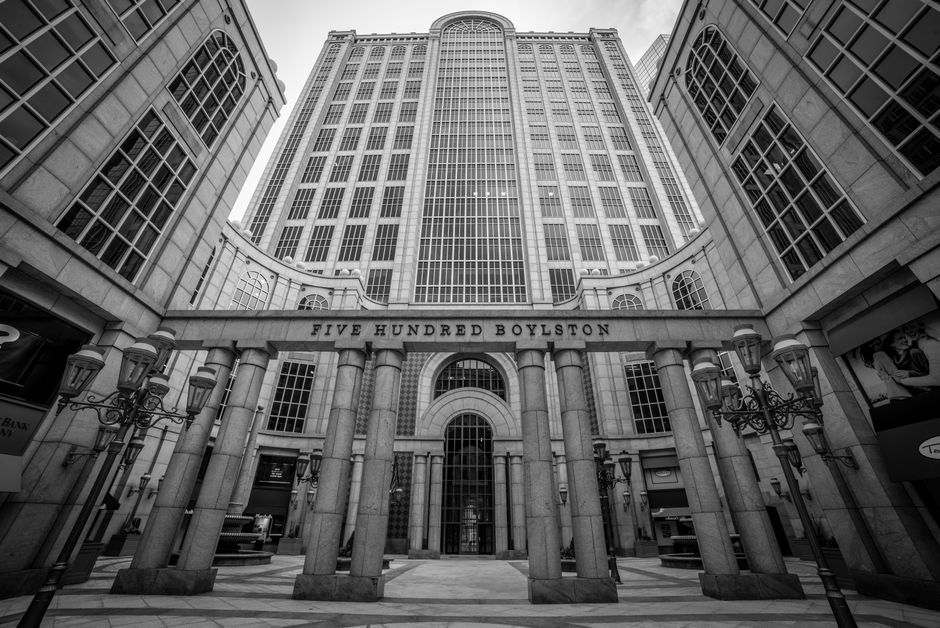
The transformation is visible on any weekday morning along Atlantic Avenue. Where shipping terminals once dominated the Seaport District, glass-fronted office buildings now house hundreds of early-stage companies, each competing fiercely for the same finite pool of software engineers, product managers, and data scientists. The shift is reshaping Boston's entire employment landscape in ways that extend far beyond the Patriot Place waterfront.
Real estate data tells the story plainly. Office rents in the Seaport have climbed 40 percent since 2022, now averaging $75 per square foot annually—roughly triple what comparable space costs in Allston or Dorchester. Venture capital funding for Massachusetts startups reached $8.2 billion in 2025, up from $5.1 billion five years earlier. That money is chasing talent, and talent is chasing the money.
The consequences for Boston's job market are pronounced. Tech and biotech roles in Cambridge and near the Longwood Medical Area now command median salaries of $145,000 to $185,000 for mid-level positions—far exceeding opportunities in traditional finance or healthcare administration. Meanwhile, service sector wages in Roxbury and Mattapan have stagnated, widening an already significant equity gap. "We're seeing a bifurcated labor market," notes analysis from local workforce development groups tracking hiring patterns.
The disruption extends beyond paychecks. Startups on Broad Street and around the Mass Avenue corridor have normalized remote work, flexible hours, and equity compensation packages—benefits that legacy employers in downtown Boston have grudgingly adopted. But access remains uneven. A software developer from MIT can work anywhere; a retail manager in Jamaica Plain cannot.
Housing pressures compound the effect. As startups cluster near transit-accessible neighborhoods, landlords have upgraded buildings to attract young professionals, pushing longtime residents out. Median rents in Cambridge have exceeded $2,200 for a one-bedroom apartment, while areas like Eastie and Dorchester remain fractionally more affordable—yet disconnected from where high-wage jobs concentrate.
City officials and venture leaders acknowledge the tension. Initiatives like MassChallenge at CIC Cambridge attempt to democratize startup opportunity, though critics argue they barely dent structural advantage. The Kendall Square Initiative similarly aims to cultivate equitable growth, but results remain mixed.
Boston's innovation boom is undeniably energizing the regional economy. Yet it is simultaneously creating a two-tiered labor market where proximity to venture capital increasingly determines economic destiny. As the Seaport continues its ascent, the question facing city planners is whether opportunity will ever spread far enough to include everyone watching from the sidelines.
This article was compiled by AI and screened before publishing. See our editorial standards.
How does this story make you feel?
Spread the word
About this article
Published by The Daily Boston
Daily brief
Free, in your inbox before 7am. Weekdays.
More in Business