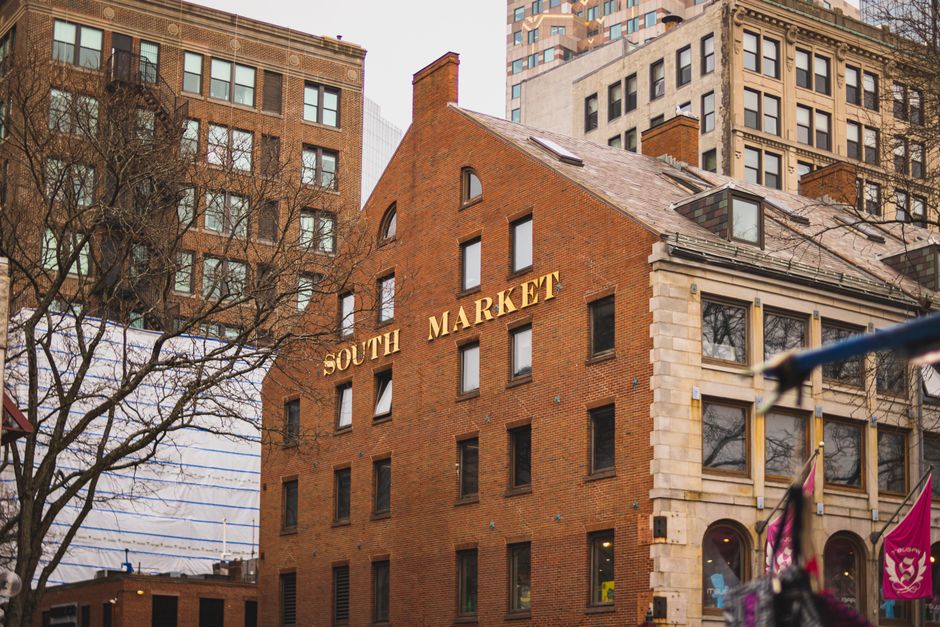
Along the corridors of the Seaport District's Innovation and Design Building, a quiet revolution is unfolding. Over the past eighteen months, a handful of climate technology startups have emerged from Boston's thriving entrepreneurial ecosystem, but one founder's trajectory stands out: a former MIT researcher who left academia to build what venture capitalists are calling "the most promising carbon removal platform in the Northeast."
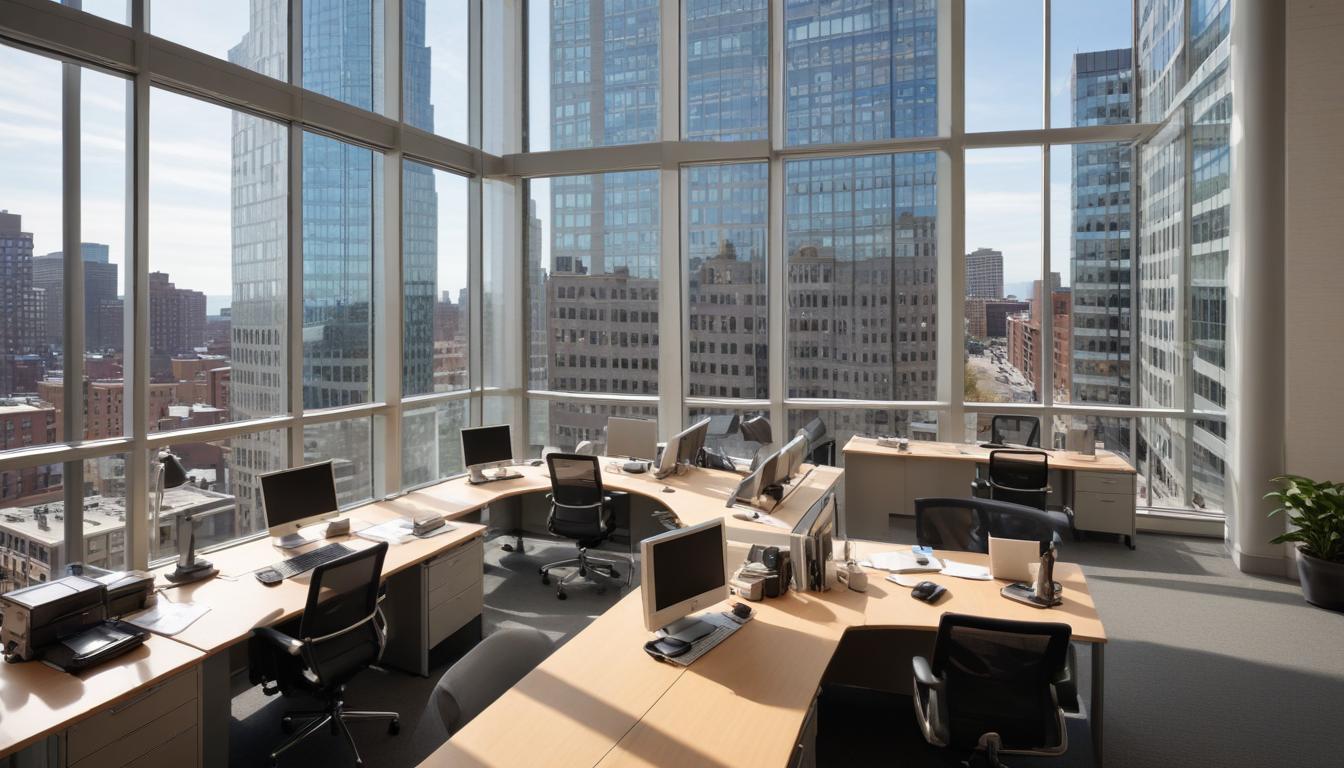
The company, based in a compact office near the ICA on Boston's Harborwalk, has grown from a three-person operation to a team of forty-two engineers and business development specialists. Since launching commercially in early 2024, the venture has secured over $47 million in Series A funding from climate-focused investors, including backing from established names in sustainable technology finance.
What makes this founder's approach distinctive isn't merely the technology—it's the decision to anchor operations in Boston rather than migrate to Silicon Valley or the Bay Area's established venture capital hubs. "There's a maturity here that you don't find elsewhere," the executive explained in recent remarks at a MassChallenge summit in the Seaport. The region's concentration of academic institutions, established corporate partners, and climate-conscious institutional investors creates an environment where deep-tech ventures can actually thrive.
Boston's innovation district has become increasingly attractive to climate entrepreneurs. Recent data from the Boston Foundation and the Massachusetts Competitive Partnership shows that venture funding for climate and clean energy companies in the greater Boston area has grown by 38 percent year-over-year, with the Seaport and Cambridge accounting for nearly two-thirds of regional investment. Commercial rents in the Seaport have climbed to $65 to $75 per square foot annually, yet startups continue arriving, drawn by proximity to MIT, Harvard's climate research centers, and established corporate tenants like Accenture and Vertex.
The founder's journey also reflects a broader trend: Boston's ability to convert research into commercial enterprise. With institutions like the Broad Institute and the Wyss Institute producing spinoff companies at a steady clip, the city has cultivated a pipeline of technical talent and institutional know-how that newer innovation hubs struggle to replicate.
As the company prepares for its Series B round—expected to close by Q4 2026—other climate startups are watching closely. Success here could cement Boston's reputation not just as a financial and healthcare innovation leader, but as the place where carbon removal technology comes of age.
This article was compiled by AI from the sources linked above and screened before publishing. See our editorial standards.