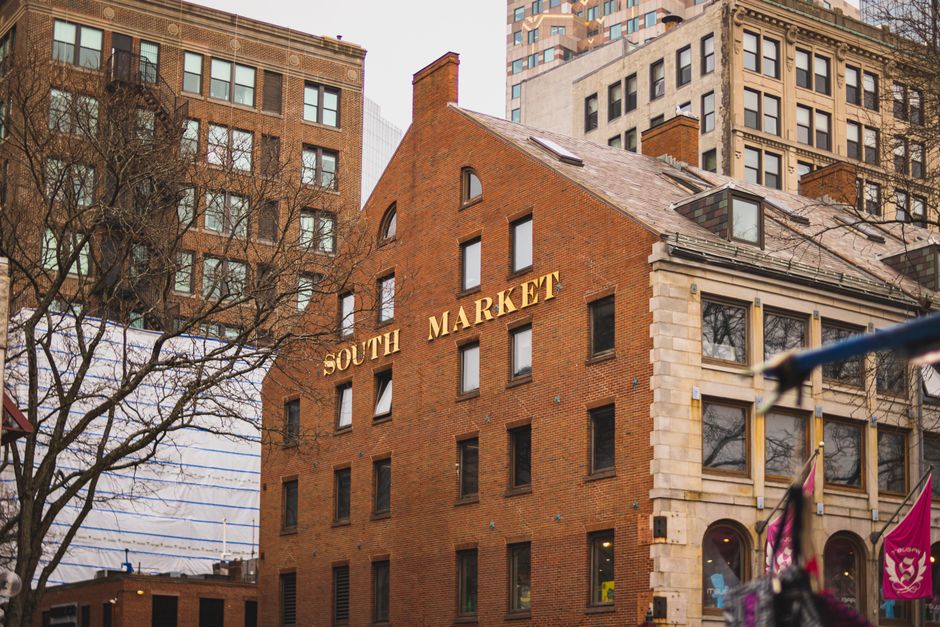
On a Tuesday afternoon, the Faneuil Hall Marketplace thrummed with the usual summer energy—but industry veterans say the crowds are thinner than they should be. Tourism operators across Boston are confronting a sobering reality: the visitor economy that has become central to the city's financial health is facing its most serious headwinds in nearly a decade.
The numbers tell the story. Hotel occupancy rates in downtown Boston have hovered around 78 percent this June, down from 84 percent the same month last year, according to preliminary data from the Greater Boston Convention & Visitors Bureau. Average daily room rates have actually climbed—now sitting around $219—yet revenue per available room has declined as rooms sit empty on Newbury Street's luxury properties and around Copley Square.
Several converging factors are squeezing the sector. Transatlantic airfares from Boston Logan have spiked nearly 22 percent compared to 2025, driven by fuel costs and reduced airline capacity amid global supply chain disruptions. International leisure travel, which typically accounts for nearly 40 percent of summer visitation to the city, has contracted sharply. Geopolitical tensions in the Middle East and ongoing instability elsewhere have prompted travel warnings and corporate policy changes that keep would-be visitors home.
"We're seeing families delay vacation plans or choose closer destinations," said one executive at a major Beacon Hill hotel group, speaking on condition of anonymity. "The calculus has shifted."
The knock-on effects are rippling through the ecosystem. The Museum of Science, which draws roughly 1.4 million visitors annually, has adjusted its summer programming and staffing expectations. Restaurant reservations in the Seaport District—once nearly impossible to secure—are now available with minimal advance notice. Ghost tour operators along the Freedom Trail report booking declines of up to 15 percent.
Domestic leisure travel remains relatively resilient, but it's not enough to fill the gap. American visitors tend to spend less per capita than international tourists, and they're increasingly price-sensitive. Budget-conscious travelers are gravitating toward Airbnb properties in Cambridge and Somerville, siphoning revenue from traditional hospitality establishments.
What troubles industry observers most is the timing. Summer is when Boston's tourism sector generates roughly 35 percent of its annual visitor economy revenue—estimated at $10.2 billion citywide in 2024. A sustained downturn this season threatens not just hotel profits, but the ecosystem of tour guides, restaurant workers, and cultural institutions that depend on steady foot traffic.
Recovery likely hinges on stabilizing global conditions and restoring confidence among international travelers. Until then, Boston's hospitality sector is bracing for a long summer.
This article was compiled by AI from the sources linked above and screened before publishing. See our editorial standards.