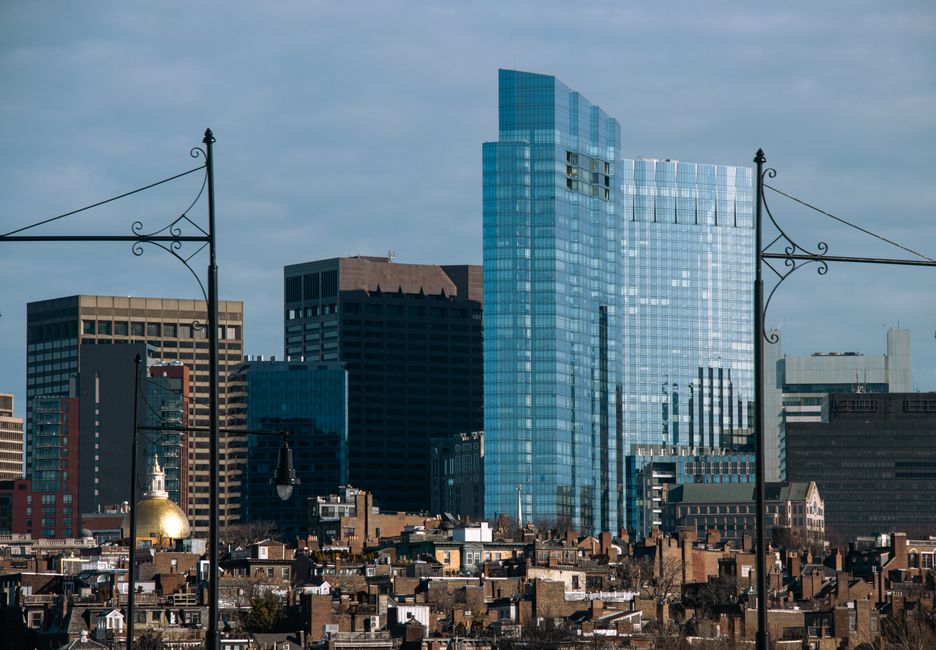
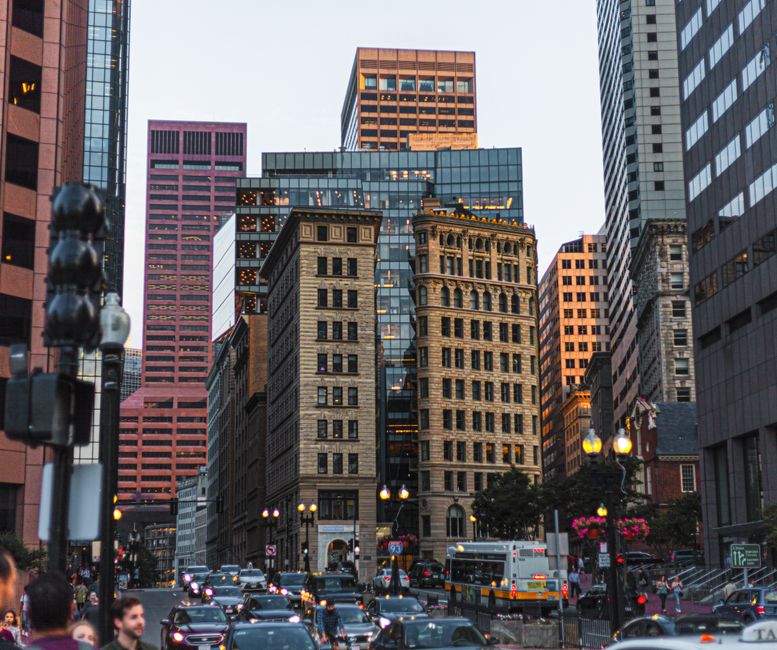
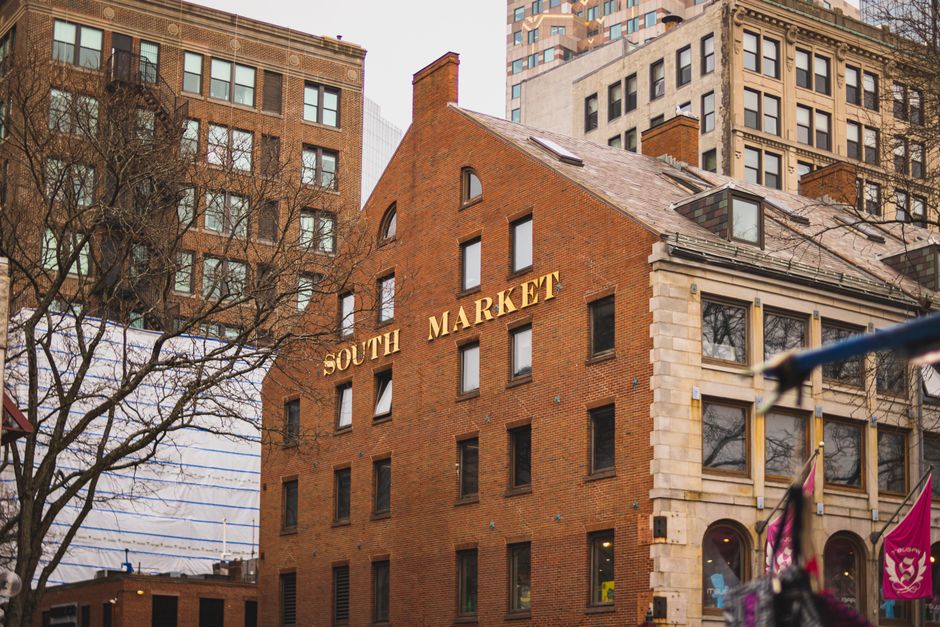
If you've walked along the Harborwalk lately, you've noticed the cranes. The Seaport District has transformed from a forgotten warehouse district into one of North America's most expensive real estate markets, with venture capital flooding in at unprecedented rates. But what does this mean for the person buying a coffee on Atlantic Avenue or renting an apartment in Fort Point?
Boston's startup ecosystem now rivals San Francisco and New York in venture funding concentration. According to recent data, the Greater Boston area attracted over $9 billion in venture capital in 2025—a figure that directly affects the cost of living for everyday residents. As startups scale, they drive up commercial rents in neighborhoods like Kendall Square in Cambridge and the Innovation District near the Dewey Square area, which trickles down to higher prices for goods and services throughout the city.
The immediate consumer impact is visible: a cup of coffee near Massachusetts Institute of Technology's campus now averages $6.50, compared to $4.25 in residential Dorchester neighborhoods. Apartment rents in Seaport have climbed to an average of $3,200 monthly for a one-bedroom—making the area inaccessible to most Boston workers earning median salaries of $65,000 annually.
But the ecosystem isn't just about rising costs. Startups in biotech, fintech, and food technology are reshaping how Boston residents access healthcare, manage money, and source groceries. Companies incubated at Mass Challenge and Launch@MIT are creating jobs and introducing new services, though many residents remain excluded from these opportunities due to education barriers or geographic isolation from innovation hubs.
The city's leaders have attempted to distribute benefits beyond the wealthy Seaport corridor. The New England Venture Capital Association has partnered with neighborhood development organizations to fund minority-led startups across Boston's diverse communities, yet venture capital remains heavily concentrated: roughly 70 percent of funding still flows to founders in a few zip codes.
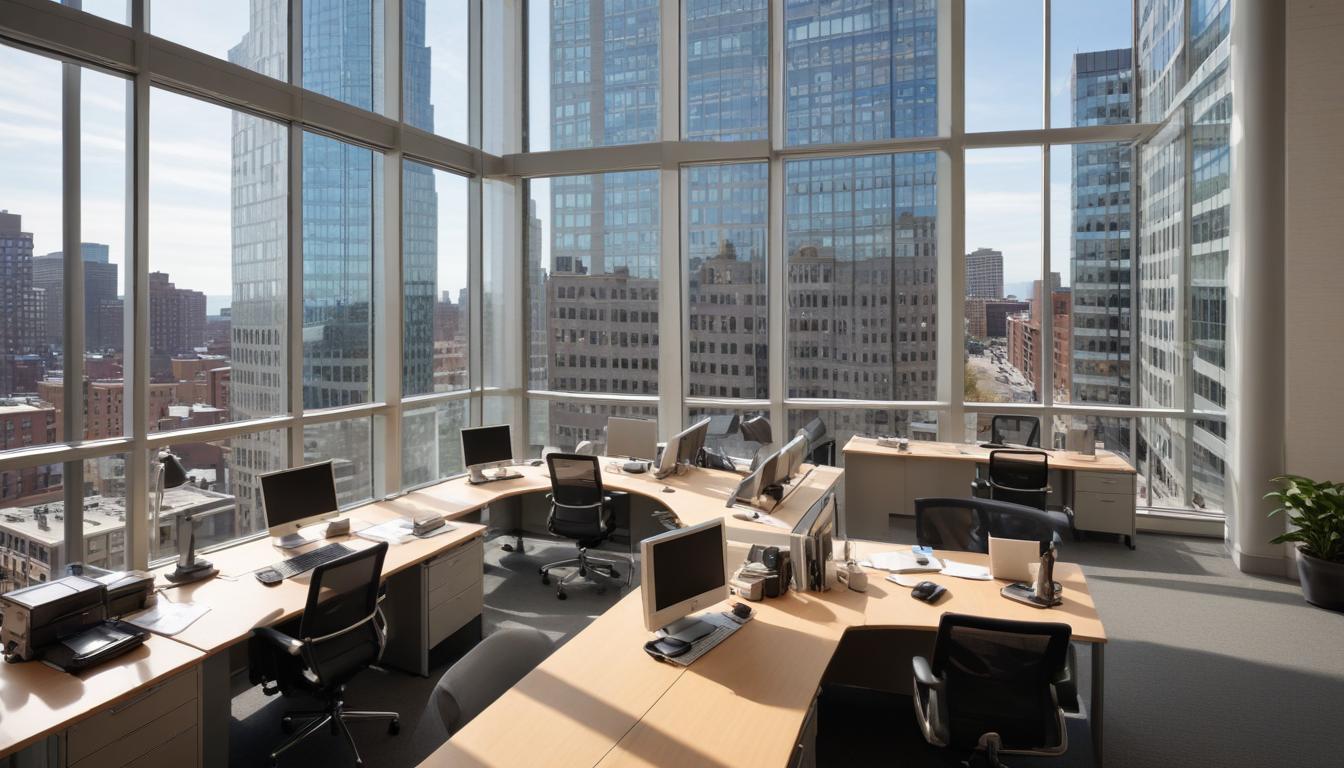
For residents, the lesson is straightforward: Boston's innovation boom is reshaping the city's economic landscape rapidly. While new technologies and services promise convenience, the concentration of wealth and opportunity comes with genuine costs—literally and figuratively—for those not directly connected to the startup world. Understanding this dynamic helps you navigate a city in flux, where your neighborhood's trajectory increasingly depends on venture capital decisions made in glass offices overlooking the harbor.
This article was compiled by AI and screened before publishing. See our editorial standards.