Boston's Office Exodus Is Forcing a Talent Reckoning for Local Employers
As downtown vacancy rates hit 20-year highs, companies are competing harder than ever to attract workers willing to return to brick-and-mortar workplaces.
As downtown vacancy rates hit 20-year highs, companies are competing harder than ever to attract workers willing to return to brick-and-mortar workplaces.
The transformation of Boston's commercial real estate market is reshaping who gets hired, where they work, and what employers must offer to compete for talent in an increasingly fractured job market.
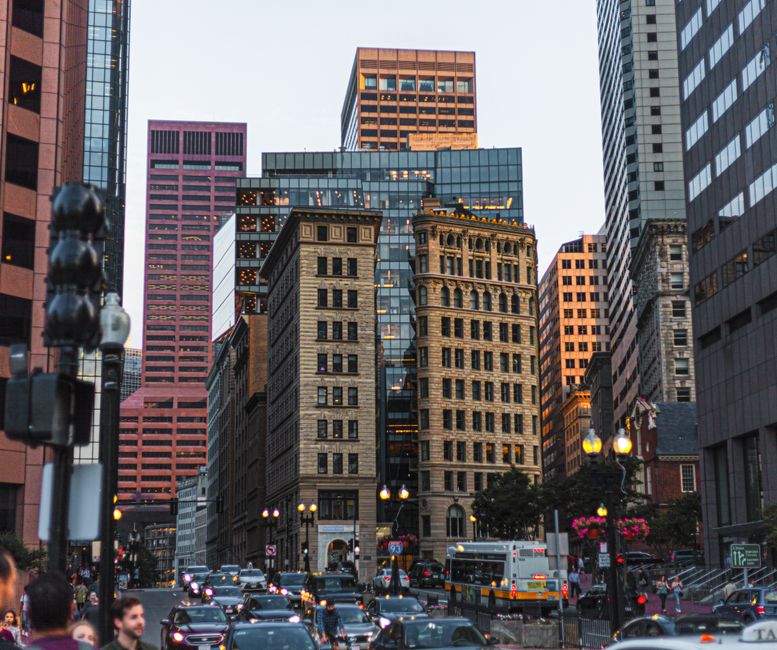
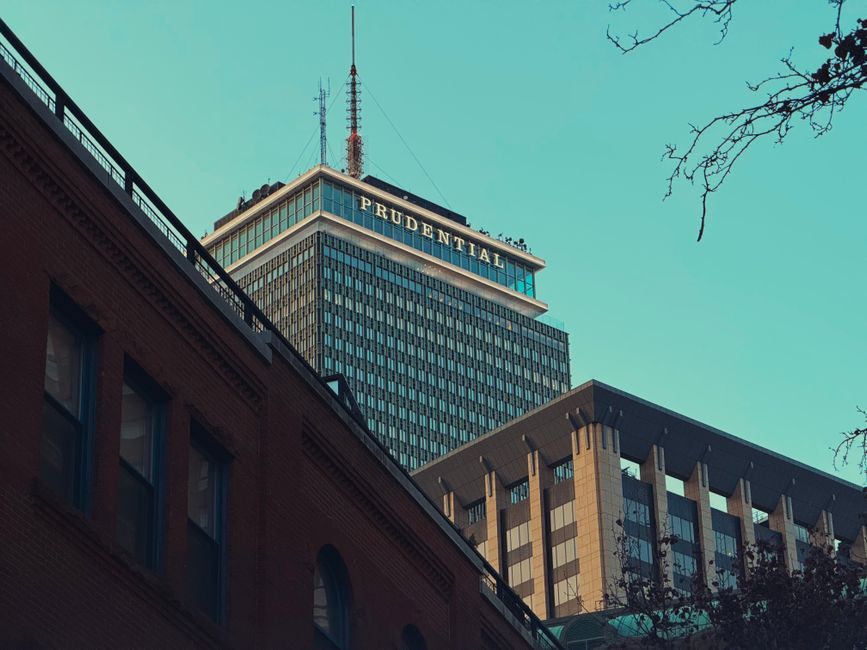
Downtown office vacancy rates have climbed to 19.2 percent in the second quarter of 2026—a significant jump from the 14.8 percent recorded two years ago. Along Financial District corridors and around the Seaport District, landlords are slashing rents and offering extended tenant incentives. Yet even aggressive pricing hasn't stopped the bleeding. Several major financial services firms have consolidated operations, leaving entire floors of Class A office space vacant along the Greenway and in the Prudential Center corridor.
The knock-on effect is unmistakable: Boston's talent market is splintering. Companies that have leaned into flexible or remote-first models—particularly in tech and professional services—are finding it easier to recruit top performers who no longer need to live within commuting distance. Meanwhile, organizations betting on a full office return face an uphill battle.
"We're seeing employers differentiate by their workplace culture and what they offer beyond the desk," says a spokesperson for the Greater Boston Chamber of Commerce. "Companies need to ask themselves why someone would choose to work in an office, and the answer can't just be 'that's where the job is.'"
The ripple effects extend across neighborhoods. Cambridge and Watertown have benefited from biotech and life sciences companies clustering there, creating pockets of strength. But traditional office markets like Back Bay have struggled to attract new tenants. Some landlords have converted upper floors of historic buildings on Commonwealth Avenue and Newbury Street into residential units—a sign of how dramatically demand patterns have shifted.
For job seekers, the fragmentation creates both opportunity and confusion. Mid-career professionals increasingly negotiate hybrid arrangements or seek employers offering genuine schedule flexibility. Entry-level talent, meanwhile, faces contradictory pressures: some firms still insist on in-office presence as part of onboarding, while competitors offer full remote positions.
Real estate brokers report that tenant negotiations now regularly include questions about future workplace strategy. Companies that can credibly articulate a post-pandemic office vision—whether that's collaboration hubs, innovation centers, or full flexibility—close leases faster than those offering traditional 9-to-5 setups.
Boston's commercial property market remains among the nation's strongest, but its recovery increasingly depends on whether employers can solve a simple equation: making the office valuable enough that talented people want to be there.
This article was compiled by AI and screened before publishing. See our editorial standards.
How does this story make you feel?
Spread the word
About this article
Published by The Daily Boston
Daily brief
Free, in your inbox before 7am. Weekdays.
More in Business