Geopolitical Chaos Reshapes Boston's Restaurant and Retail Landscape
Supply chain disruptions from Middle East tensions and African unrest are forcing local hospitality venues to rethink menus, staffing, and prices.
Supply chain disruptions from Middle East tensions and African unrest are forcing local hospitality venues to rethink menus, staffing, and prices.
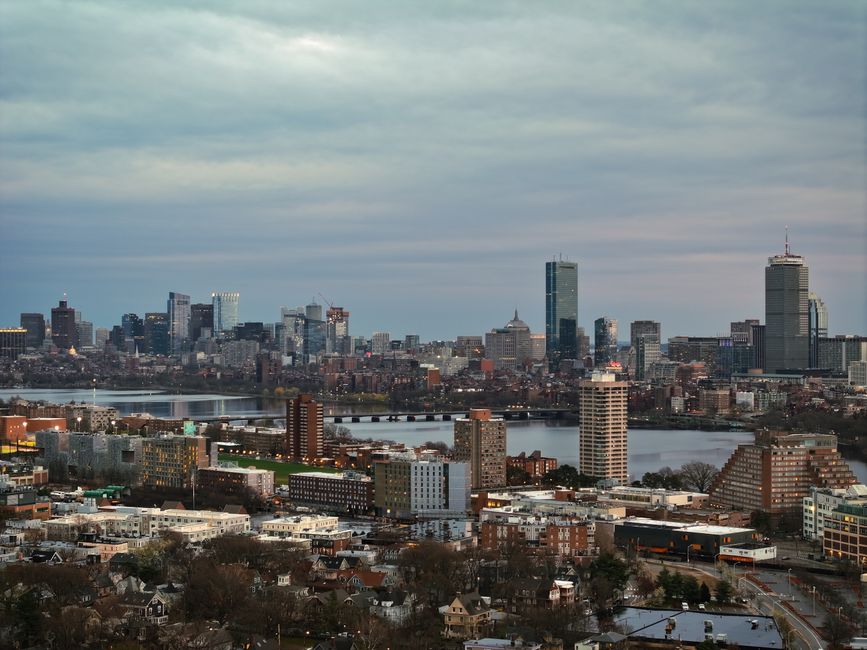
Boston's hospitality sector is confronting a sobering reality: instability halfway around the world now directly impacts whether a Back Bay restaurant can afford to keep its doors open.
The escalating Middle East tensions, combined with transportation challenges through the Strait of Hormuz and ongoing African health crises, have created a perfect storm for the city's $8.2 billion hospitality industry. Shipping delays averaging 14 days longer than pre-2024 norms mean that restaurants and retailers along Newbury Street, in the Seaport District, and across Cambridge are paying significantly more for imported goods—or doing without them entirely.
"We're seeing ingredient costs up 18 to 23 percent year-over-year," said a manager at a major Boylston Street hotel group, speaking on condition of anonymity due to corporate media restrictions. "Mediterranean olives, Italian pasta, Spanish seafood—these aren't luxuries anymore. They're inventory problems."
The ripple effects are unmistakable. Fine dining establishments in Back Bay have begun substituting locally-sourced alternatives where possible. The North End's Italian restaurants, historically dependent on direct imports, are renegotiating supplier relationships and reconsidering menu offerings. Meanwhile, casual dining chains report that logistics costs now consume 4 to 5 percent of their operational budgets—double the historical average.
Retail has suffered equally. A commercial real estate analysis of Copley Place and The Prudential Center shows that luxury goods retailers are facing inventory shortages, particularly in European designer goods and Asian electronics. Several boutique clothing stores have delayed summer collection launches by weeks.
Labor dynamics are also shifting. As some international supply chains stabilize through alternative routes—including costly air freight—hospitality venues are absorbing these increased costs by moderating hiring. The Greater Boston hospitality sector added just 340 jobs last quarter, down from an average of 1,200 quarterly additions in 2024.
The most immediate effect consumers notice: prices. The average meal at a mid-range Boston restaurant has climbed 8 percent since January, while hotel room rates downtown remain volatile. Tourism, a crucial revenue driver, shows signs of softening as international visitors factor in higher costs.
Industry observers note that Boston's diversified food and hospitality ecosystem—which includes everything from Michelin-recognized establishments to neighborhood joints—may provide resilience. But vulnerability remains acute for venues heavily dependent on specific imported categories.
As global tensions persist, Boston's business community is learning an uncomfortable lesson: local success now requires constant attention to geopolitics.
This article was compiled by AI from the sources linked above and screened before publishing. See our editorial standards.
How does this story make you feel?
Spread the word
About this article
Published by The Daily Boston
Daily brief
Free, in your inbox before 7am. Weekdays.
More in Business