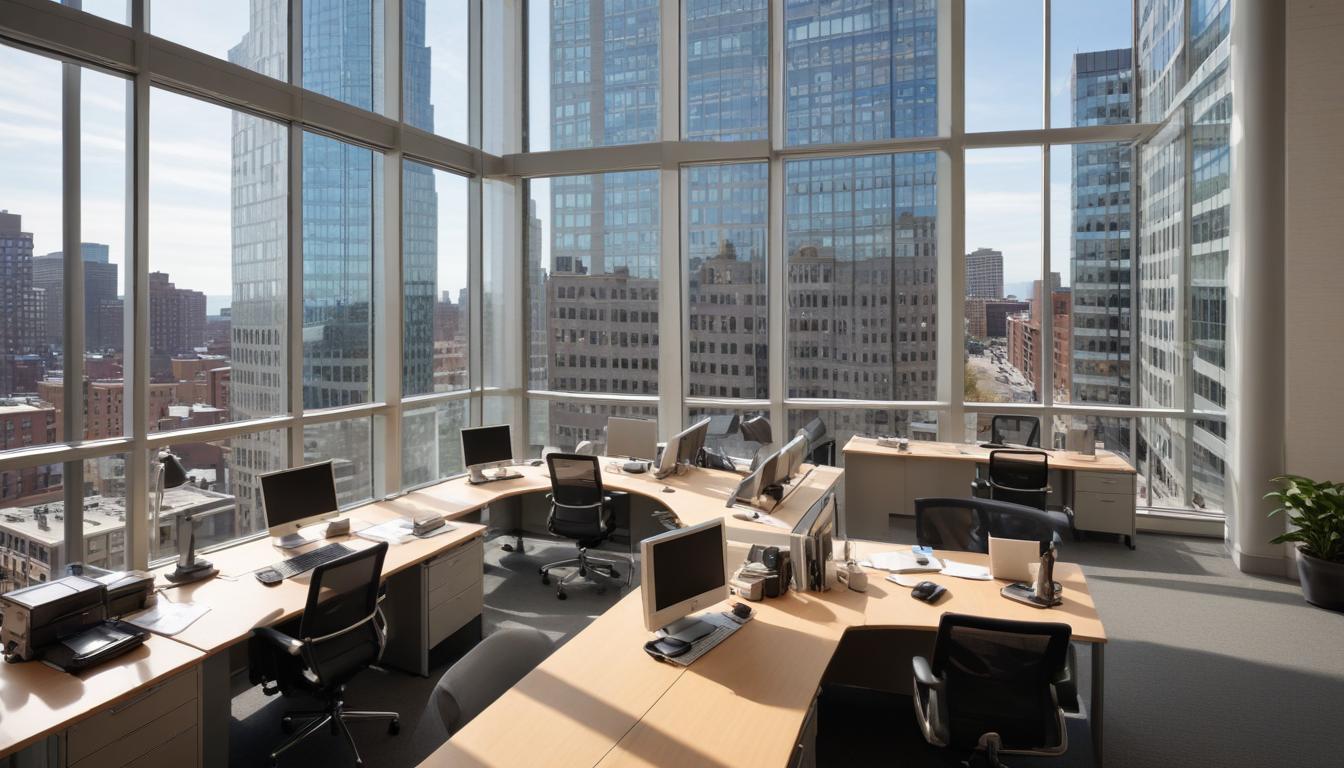
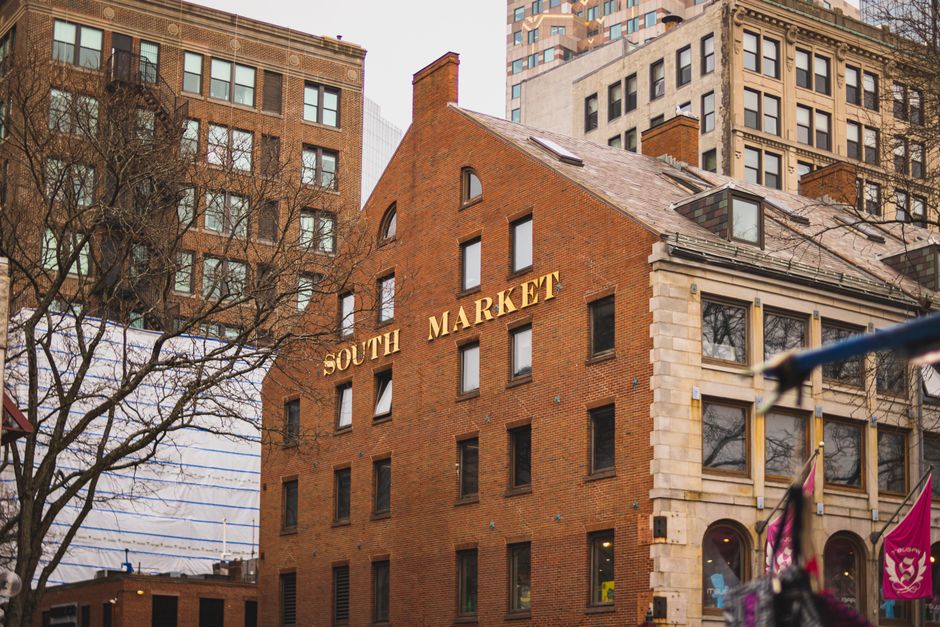
Boston's commercial property market is feeling the tremors of a turbulent world. As Iran and the United States prepare for fresh negotiations over Middle Eastern stability, and migration crises roil Latin America, multinational corporations headquartered or operating from the Back Bay, Cambridge, and the Seaport are reassessing their real estate footprints—with direct consequences for local landlords and the city's tax base.
The trend reflects a broader pattern: geopolitical uncertainty is making companies hesitant to lock into long-term leases. At 111 Huntington Avenue, where major financial services firms maintain significant operations, landlords report longer vacancy periods and more cautious tenant negotiations. Similarly, in Cambridge's Kendall Square—home to biotech and life sciences firms with global supply chains—corporate real estate teams are delaying expansion plans until trade relations and regulatory environments stabilize.
"Companies are holding cash rather than committing to additional space," explains local market analysis. Class A office space in downtown Boston is averaging $68 per square foot annually, down from $74 in early 2024, according to commercial real estate data. The Prudential Center and surrounding Back Bay corridors have seen sublease activity spike 23 percent year-over-year as firms downsize operations.
The impact extends beyond downtown. Seaport District landlords, who benefited from rapid expansion during the pandemic work-from-home boom, now face headwinds as tech companies with significant overseas exposure tighten their belts. One major Boston-based life sciences corporation recently postponed a planned lease renewal in the Innovation District, citing unpredictable international market conditions.
However, the slowdown isn't uniform. Companies in sectors less exposed to global supply chain disruptions—including healthcare innovation, insurance, and specialized financial services—continue seeking premium space. The Greenway area and waterfront properties remain competitive.
Boston's commercial property market remains fundamentally strong compared to other major U.S. cities, with an average occupancy rate near 86 percent. But the global context matters. When Iranian oil policies shift, when Latin American instability affects import-export timelines, or when trade tensions escalate, Boston's corporate tenants feel the effects within weeks.
Local brokers and property managers emphasize flexibility. Shorter lease terms, more favorable renewal options, and shared workspace arrangements are increasingly standard. The message to Boston's commercial real estate sector is clear: in a volatile world, agility trumps tradition.
This article was compiled by AI from the sources linked above and screened before publishing. See our editorial standards.