Boston's Startup Scene Faces Brutal Headwinds as Funding Dries Up and Talent Wars Intensify
Rising costs, venture capital pullback, and competition from larger tech hubs are testing the resilience of the city's once-booming innovation ecosystem.
Rising costs, venture capital pullback, and competition from larger tech hubs are testing the resilience of the city's once-booming innovation ecosystem.
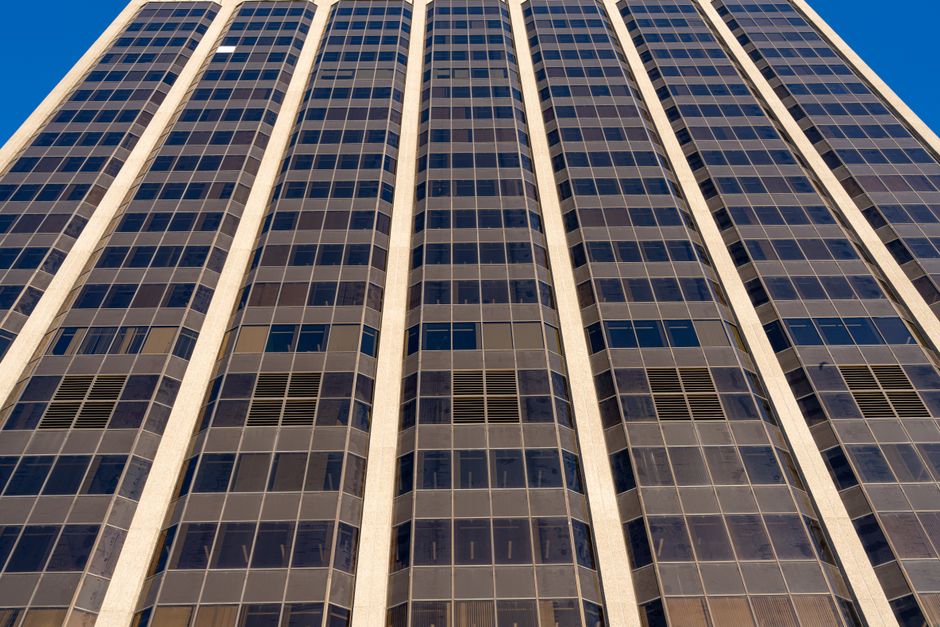
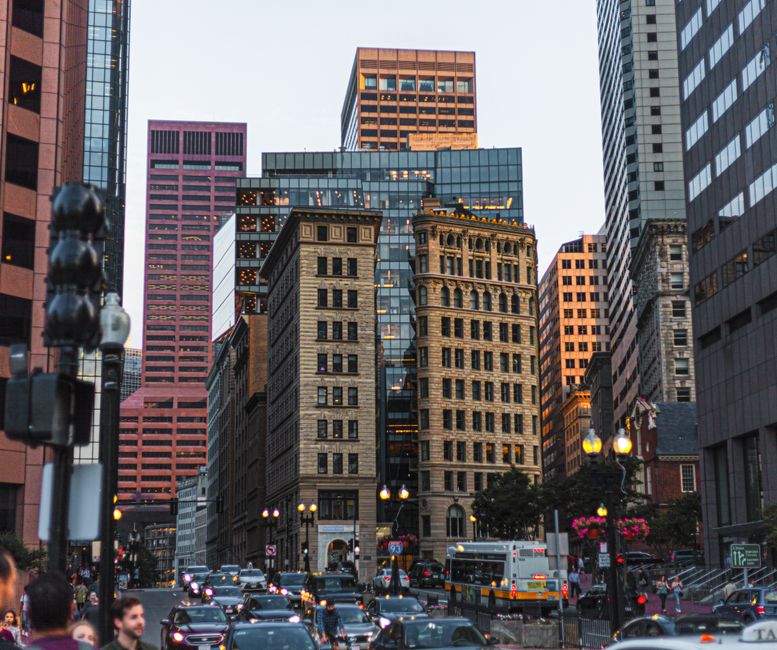
Boston's startup ecosystem, long celebrated as a powerhouse of innovation anchored by MIT and Harvard, is confronting its most challenging year in nearly a decade. From the Seaport District's gleaming office towers to the emerging startup corridors around Kendall Square in Cambridge, founders and investors are navigating a landscape marked by tightening capital, soaring operational costs, and an exodus of top talent to warmer climates and better-funded opportunities.
The numbers tell a sobering story. According to venture capital tracking data, funding for Boston-area startups in the first half of 2026 has dropped roughly 35 percent compared to the same period last year, with particularly steep declines in early-stage seed rounds. Meanwhile, commercial office space in the Seaport—once commanding premium rents above $80 per square foot annually—is facing increasing vacancy as companies consolidate or relocate.
"The environment has fundamentally shifted," says the managing director at one prominent Boston venture firm, speaking on condition of anonymity. Many of the region's most successful venture shops have begun looking westward, with several establishing satellite operations in Austin and San Francisco to hedge their bets.
The cost of doing business in Boston has become prohibitive for many bootstrapped founders. Tech talent salaries in the city have plateaued or declined modestly, yet housing costs remain stubbornly high—a one-bedroom apartment in nearby neighborhoods like Cambridge or Brookline now averages $2,100 monthly. Younger entrepreneurs are increasingly questioning whether the Boston premium still makes sense.
The challenges extend beyond capital constraints. Major tech companies—including Amazon's New England operations and Microsoft's expanding footprint—are aggressively recruiting startup founders and engineers, offering stability and resources that scrappy early-stage companies simply cannot match. Meanwhile, the region's traditional strength in biotech and life sciences, centered around the Longwood Medical Area and the innovation corridor along the Charles River, faces its own headwinds as pharmaceutical companies trim R&D spending.
Not all signals are negative. Several Boston startups have achieved meaningful exits this year, and universities continue churning out talented engineers and entrepreneurs. Accelerators like Techstars Boston and MassChallenge remain operational, though they're processing fewer applicants with smaller cohort sizes.
Still, stakeholders acknowledge that 2026 represents an inflection point. Success will likely require Boston to lean harder into its scientific and medical research advantages while improving its value proposition for founders—perhaps through tax incentives, streamlined permitting, and targeted support for overlooked founders historically locked out of venture capital.
This article was compiled by AI from the sources linked above and screened before publishing. See our editorial standards.
How does this story make you feel?
Spread the word
About this article
Published by The Daily Boston
Daily brief
Free, in your inbox before 7am. Weekdays.
More in Business