Boston's Tourism Boom: Reading the Economic Signals Behind Record Visitor Spending
As hotel occupancy rates climb and convention bookings surge, what do the numbers tell us about the city's investment trajectory and long-term recovery?
As hotel occupancy rates climb and convention bookings surge, what do the numbers tell us about the city's investment trajectory and long-term recovery?
Boston's visitor economy is sending unmistakable growth signals this summer, and for business leaders tracking the city's economic health, the data points reveal a sector rebounding faster than many predicted. Hotel occupancy across the Back Bay and Downtown Crossing districts has reached 78 percent in recent months—well above the pre-pandemic baseline of 71 percent—while average daily rates have climbed to $189, a 12 percent increase year-over-year.
These aren't abstract figures. They represent real capital flowing into the city's infrastructure. The Greater Boston Convention & Visitors Bureau reports that visitor spending hit $7.2 billion last year, supporting approximately 47,000 jobs across hospitality, retail, and food service. This year's trajectory suggests we're on pace to exceed that benchmark meaningfully.
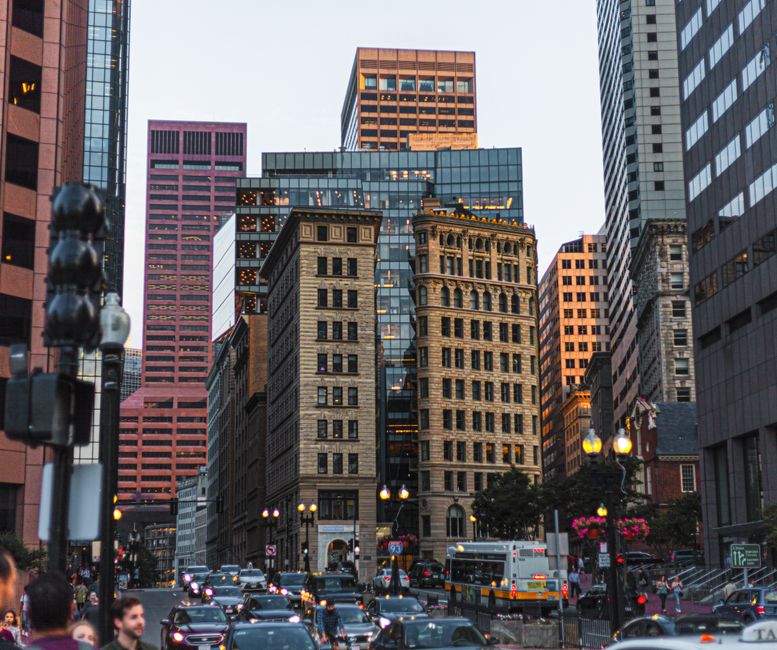
The investment flows tell a strategic story. The Seaport District, once a speculative redevelopment zone, has become the city's growth engine. New boutique hotels along Atlantic Avenue and parallel investments in dining—from refined establishments to casual concepts—are pulling visitor dollars away from traditional downtown corridors. This geographic shift matters because it signals confidence in infrastructure investment; developers wouldn't commit capital without expecting sustained demand.
Tourism economics operate through clear multiplier effects that business analysts monitor closely. Every dollar spent by a visitor generates approximately $1.40 in total economic activity when accounting for supply chains, employee spending, and tax revenue. A convention bringing 5,000 attendees to the Boston Convention and Exhibition Center on the Fort Channel waterfront injects roughly $8 to $10 million into the local economy over three days.
Yet headwinds exist. International visitor numbers—traditionally 18 to 22 percent of Boston's total—remain 8 percent below 2019 levels, reflecting visa processing delays and airfare pressures. Corporate travel, another bellwether, is normalizing rather than expanding, as remote work persists across financial services and tech sectors headquartered here.
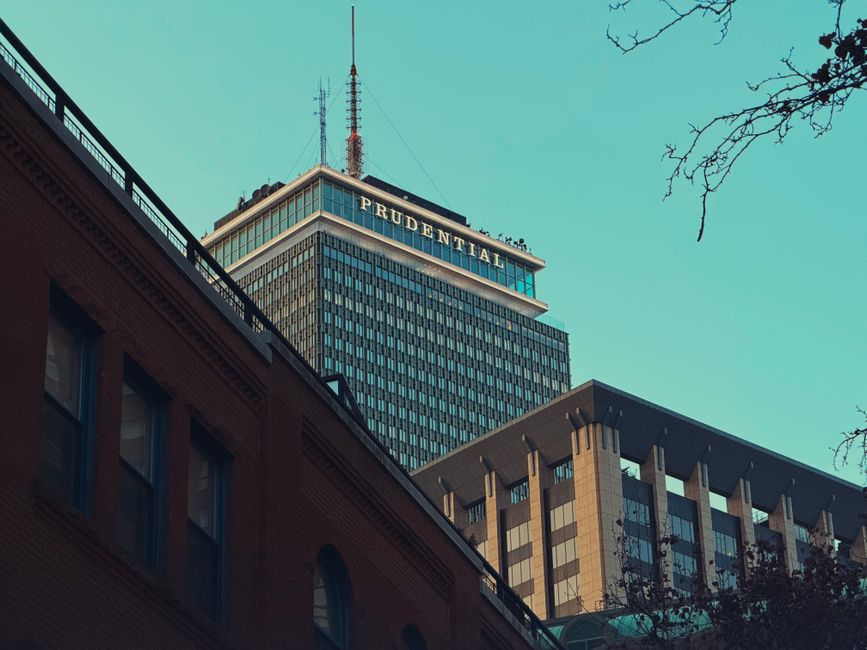
What's particularly noteworthy is retail's recovery. Foot traffic on Newbury Street and in the Prudential Center has returned to 94 percent of historical averages, a sign that tourism revenue is converting to broader consumer spending. Commercial landlords, who hold leverage in lease negotiations, are using visitor traffic metrics to justify rental rates—a virtuous cycle for property investors.
For municipal and business planners, the message is clear: Boston's tourism recovery is real, measurable, and creating tangible employment and tax opportunities. The question ahead isn't whether growth will continue, but whether the city's infrastructure can sustain it.
This article was compiled by AI and screened before publishing. See our editorial standards.
How does this story make you feel?
Spread the word
About this article
Published by The Daily Boston
Daily brief
Free, in your inbox before 7am. Weekdays.
More in Business