Boston's commercial property market is flashing a complex economic portrait this summer, one that challenges simplistic narratives about the death of office space while exposing where investment dollars are genuinely flowing in 2026.
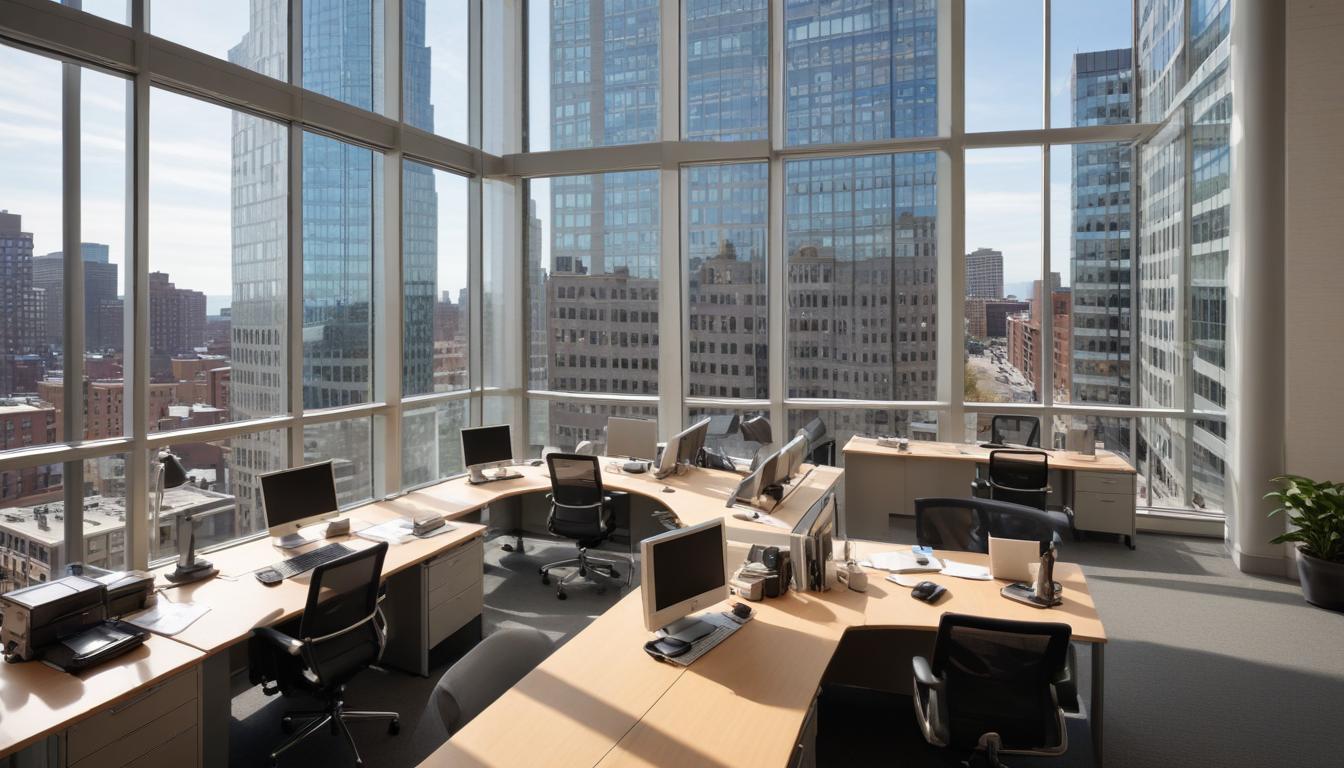
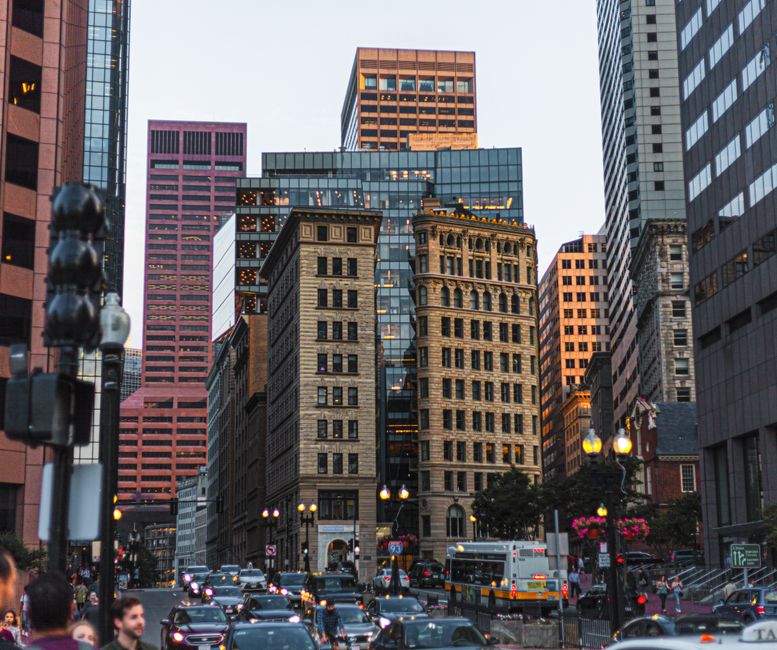
The numbers tell a nuanced story. Downtown Boston's Class A office vacancy rate hovered near 13% in early June, down modestly from 14.2% a year prior—hardly the bloodbath some predicted, but hardly a roaring recovery either. Yet average asking rents for prime Financial District space have climbed to $62 per square foot annually, up from $58 last year. That's the real indicator: selective demand from companies willing to pay premium rates for the right location.
The investment flows reveal what's actually happening. While traditional office conversion projects have slowed, institutional capital is aggressively pursuing what Boston's real estate community calls "flight to quality." Properties along the innovation spine—Kendall Square, the Seaport District, and Cambridge's biotechnology corridor—continue attracting venture-backed tenants and corporate R&D operations. A 250,000-square-foot Cambridge life sciences property leased last quarter at $85 per square foot, reflecting sector-specific confidence even as legacy office struggles.
This divergence matters economically. Boston's largest employers—healthcare systems, asset managers, and tech firms—are consolidating footprints in premium buildings with modern amenities and transit access. Meanwhile, secondary markets in Waltham and Needham face longer vacancy periods and price pressure. The Charles River separates not just geography but investment trajectories.
Capital deployment patterns expose investor sentiment about Boston's economic fundamentals. Insurance and asset management firms headquartered here are renewing longer leases in Class A towers, signaling confidence. However, total downtown investment volume dropped 22% year-over-year through May, according to commercial real estate data providers. That's not catastrophe—it reflects investors waiting for clearer signals rather than panic selling.
The globaleconomic backdrop amplifies local effects. International institutional money, which historically drove Boston commercial real estate valuations, has grown more selective as interest rates remain elevated and geopolitical tensions persist. This tightening of capital explains why average property cap rates have compressed to 4.8%—investors are still willing to fund trophy assets but demanding better fundamentals elsewhere.
For Boston's economy, this means continued bifurcation: a thriving innovation sector and select downtown corridors versus stranded suburban office parks. The city's resilience depends on whether tech and biotech employment growth can sustain demand for premium space—the real test of whether Boston's economic engine is genuinely restructuring or simply consolidating.
This article was compiled by AI from the sources linked above and screened before publishing. See our editorial standards.