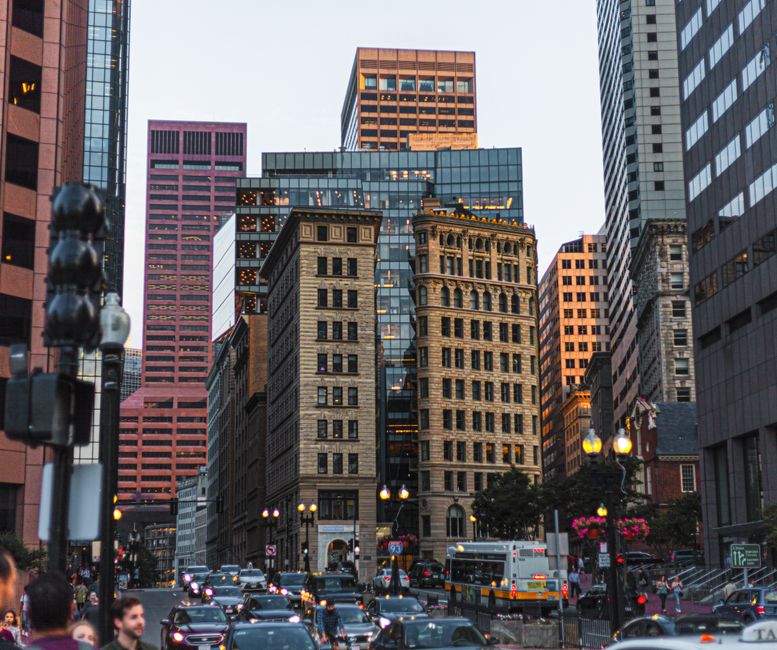
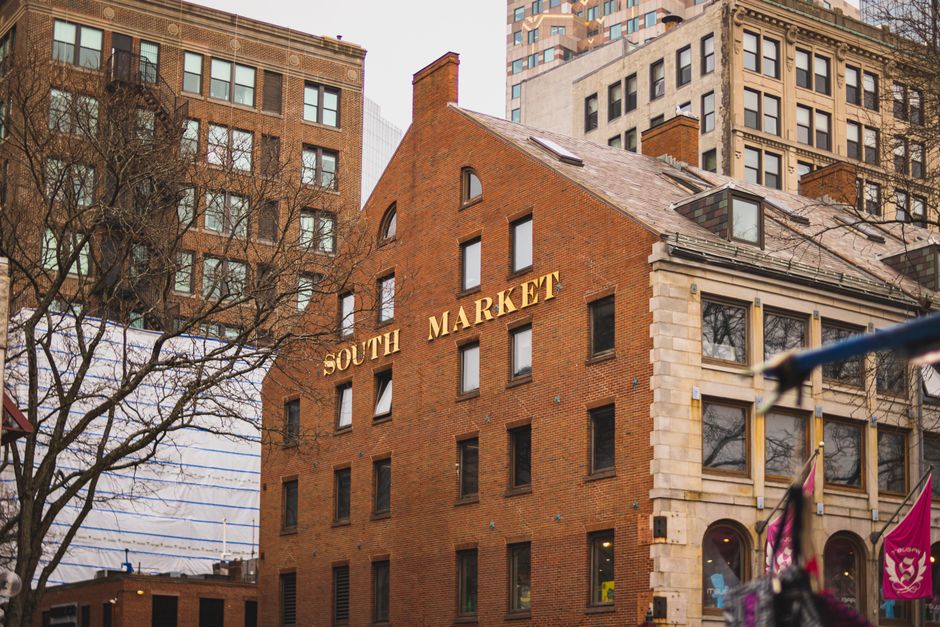
Walk along Atlantic Avenue or through the Seaport District's cobblestone streets on any given weekday, and you'll notice something unsettling: storefront windows are darkening faster than usual. In the past eighteen months, at least seven independent cafes, sandwich shops, and breakfast spots have shuttered in these neighborhoods alone—places that were fixtures for commuters, students, and remote workers seeking community and consistency.
The culprit isn't pandemic-related nostalgia or shifting consumer taste. It's arithmetic. Commercial rent in Boston's prime neighborhoods has climbed 12-15 percent annually since 2023, according to commercial real estate trackers. A 800-square-foot cafe that paid $4,500 monthly in 2021 now costs upward of $6,200. For independent operators running margins of 6-9 percent, that's the difference between survival and closure.
Why should everyday Bostonians care? Because independent food businesses do more than serve coffee—they're economic anchors that create jobs, source from local suppliers, and keep money circulating within neighborhoods rather than extracting it to corporate headquarters. When they disappear, replaced by chains or vacant spaces, the character of your commute changes. So does your choice.
The second pressure point is supply chain volatility. Wholesale prices for coffee, dairy, and baked goods remain 18-22 percent higher than pre-2020 levels, according to food service indices. Small operators can't negotiate bulk pricing the way Starbucks or Dunkin' can. That $5.75 cappuccino isn't greed—it's the owner absorbing losses or passing them to customers who increasingly vote with their feet.
The picture isn't entirely bleak. Neighborhoods like Jamaica Plain and parts of Allston have seen micro-entrepreneurs pivot to lower-rent models: pop-up cafes, delivery-only ghost kitchens, and cooperative spaces. Boston's small business development centers report a 23 percent uptick in applications for food service licenses in outer neighborhoods, suggesting some adaptation.
Here's what residents need to understand: supporting independent cafes and restaurants isn't charity. It's a choice about what kind of city you want to inhabit. When you choose the independent spot on Hanover Street over the franchise, you're directly funding local jobs, reducing commercial real estate vacancy, and preserving the texture that makes Boston feel like home rather than everywhere else. Prices may tick slightly higher. In return, your neighborhood stays alive.
This article was compiled by AI from the sources linked above and screened before publishing. See our editorial standards.