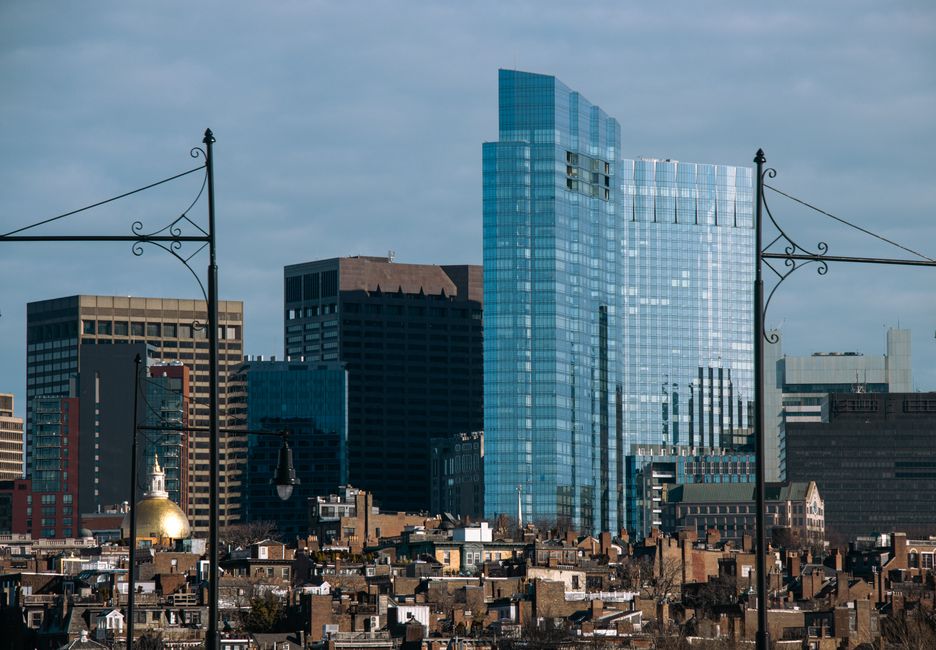
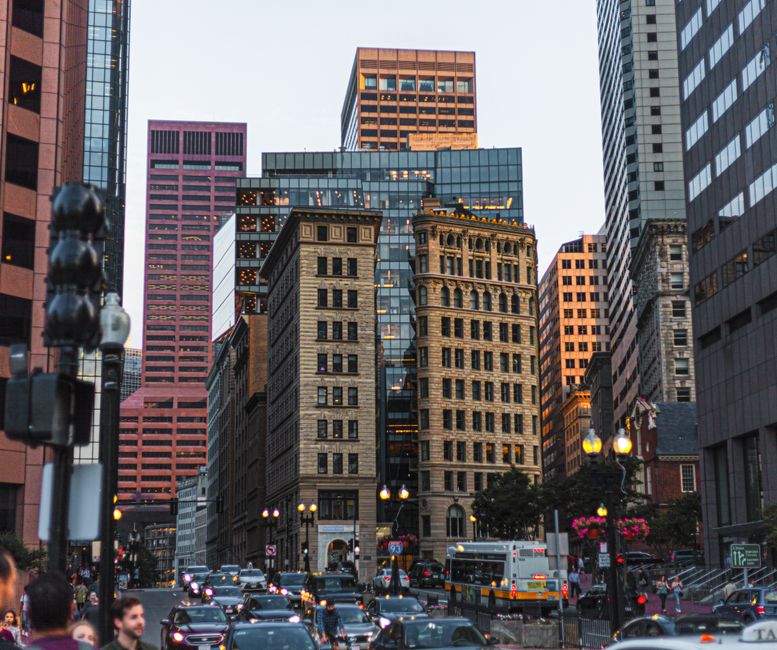
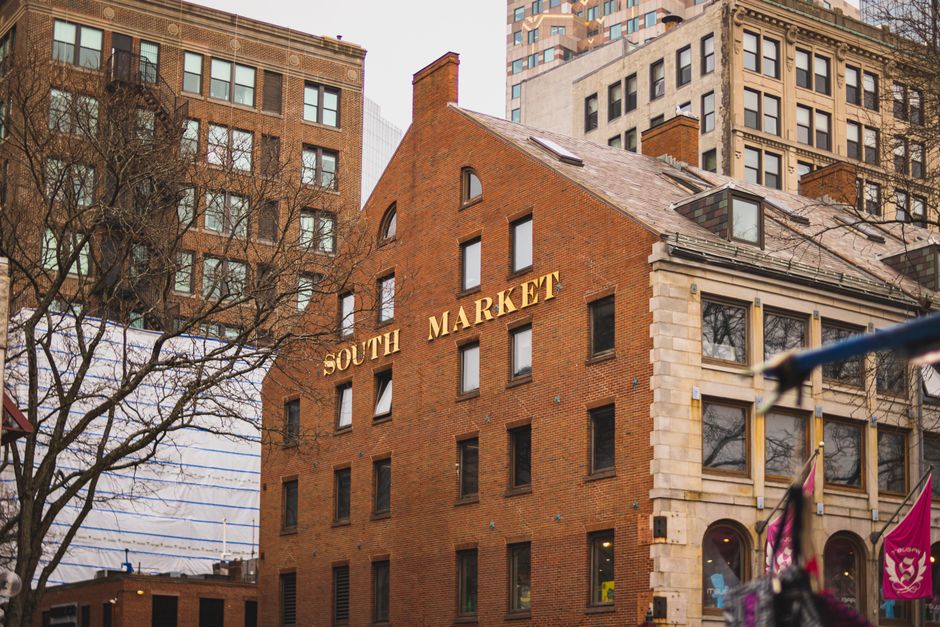
Boston's tourism sector—which generated $5.6 billion in visitor spending last year—is navigating a treacherous global landscape that's rewriting the rules for hotels, restaurants, and attractions along the Freedom Trail.
Recent geopolitical turbulence and humanitarian crises across Venezuela, the Middle East, and parts of Africa are creating downstream effects that Boston hoteliers and tour operators cannot ignore. International visitor numbers typically account for roughly 35 percent of Boston's annual tourism revenue, with significant portions coming from Latin America, Europe, and the Middle East. When regions destabilize, those bookings evaporate.
"We're seeing measurable shifts in booking windows and origin countries," said a spokesperson for the Boston Convention & Visitors Bureau. "Families from traditionally stable markets are booking closer to travel dates. That's uncertainty manifesting in real time."
The Newbury Street shopping district, which relies heavily on international luxury spending, reported softer foot traffic in Q2 compared to the same period last year. Meanwhile, mid-range hotels near the Prudential Center and along the Waterfront—which typically capture Latin American tour groups—are adjusting room rates downward to compensate.
Global disruptions also create unexpected winners. Security-conscious travelers are increasingly choosing North America over more volatile destinations. Boston's appeal as a relatively stable, culturally rich alternative to Europe or the Caribbean is being explicitly marketed by some operators. The Museum of Fine Arts and the Boston Harbor Hotel are among venues reporting increased interest from affluent North American travelers seeking familiar ground.
The ripple effects extend deeper. Tour bus operators working the historic neighborhoods of Beacon Hill and the North End depend on consistent international visitor flow. Immigration uncertainties and travel advisories discourage the multi-generational family trips that have traditionally filled those excursions during summer months.
What Boston's tourism economy faces now is not a structural collapse, but a reordering. Operators are diversifying revenue streams—domestic group bookings, corporate events, educational tourism—to reduce reliance on volatile international markets. Hotels are adjusting staffing and inventory management based on more conservative forecasts.
For a city whose tourism economy employs roughly 64,000 people directly and indirectly, this global recalibration matters. The question is whether Boston can weather the volatility by leaning into its strengths as a stable, accessible destination, or whether continued international turmoil will force deeper adjustments to an economy accustomed to robust visitor growth.
This article was compiled by AI from the sources linked above and screened before publishing. See our editorial standards.