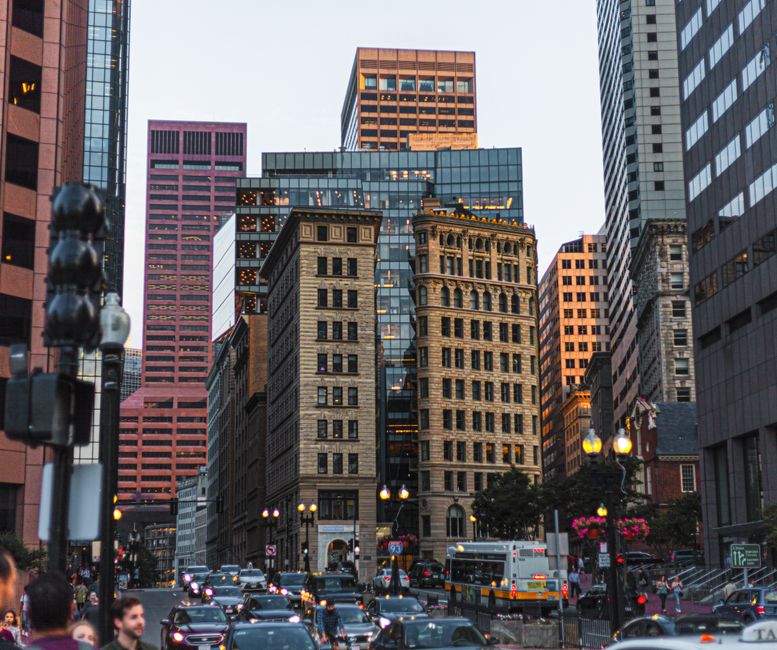
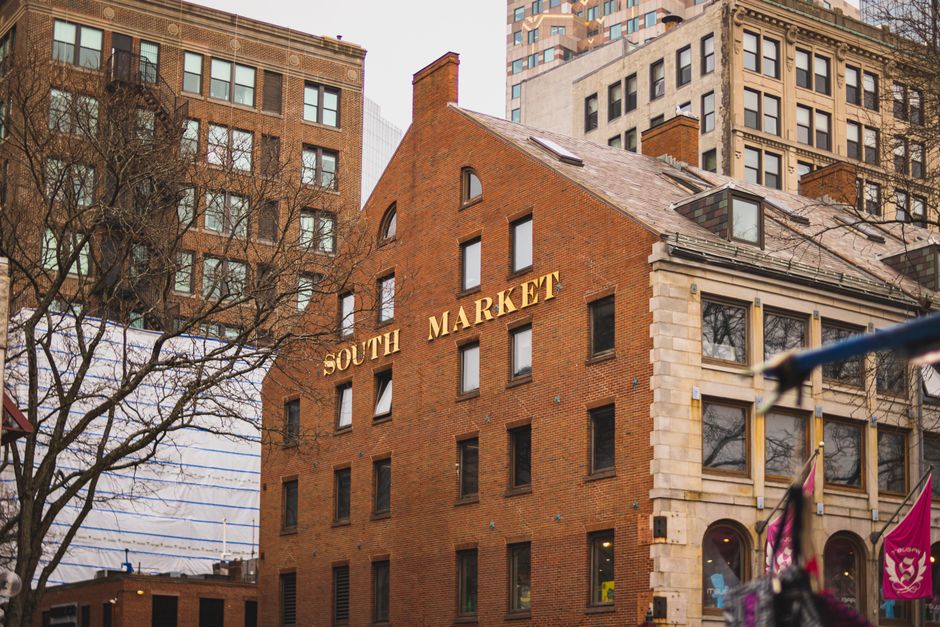
Boston's visitor economy is booming. Last year, the city welcomed 27.5 million visitors who spent nearly $10 billion, according to Greater Boston Convention & Visitors Bureau data. But behind those headline numbers sits a quieter revolution: local entrepreneurs are fundamentally changing how travelers experience the city.
One standout is the emerging wave of tech-enabled hospitality ventures concentrated along the Harborwalk and in the Seaport District. These businesses are moving beyond the traditional hotel-and-museum model, instead creating immersive, hyper-local experiences that keep visitors in Boston longer and spending more intentionally.
The shift reflects broader trends. Pre-pandemic, the average Boston visitor spent roughly $380 per trip. Today, that figure has climbed significantly as entrepreneurs tap into what researchers call "experiential travel"—visitors seeking authentic neighborhood engagement rather than generic attractions.
One particularly innovative approach involves neighborhood-based concierge services that combine AI-powered personalization with human expertise. These platforms connect visitors with lesser-known venues in areas like Jamaica Plain, the North End, and Somerville—traditionally overlooked in favor of Freedom Trail traffic. By routing visitors beyond the usual downtown corridor, these services have helped distribute tourism revenue more equitably across Boston's neighborhoods.
The economic impact is measurable. Tourism-related employment in the Greater Boston area exceeded 110,000 jobs last year, with new ventures creating particular growth in the tech, creative, and hospitality sectors. Restaurants and cultural venues in historically quieter neighborhoods have reported 15-25 percent revenue increases as these new booking platforms funnel visitors their way.
What makes this entrepreneurial moment distinctive is the focus on sustainability and community benefit. Rather than extractive tourism models, newer ventures explicitly prioritize local hiring, source food and goods locally, and direct profits back into neighborhoods. Some operators have pioneered revenue-sharing arrangements with community organizations.
The competitive landscape is intensifying. Established travel platforms recognize Boston's appeal, but local entrepreneurs maintain advantages: deeper neighborhood relationships, faster decision-making, and genuine community investment. Several ventures have raised seed funding from Boston-based venture firms impressed by their business models and social impact alignment.
Industry observers suggest this entrepreneurial energy reflects a maturing understanding of tourism's role in urban economies. Rather than viewing visitors as extraction opportunities, forward-thinking leaders see them as potential long-term advocates who'll return, recommend, and support Boston businesses remotely.
As the city heads into peak summer season, that philosophy is being tested in real time—and the early data suggests it's working.
This article was compiled by AI from the sources linked above and screened before publishing. See our editorial standards.