Boston's Tourism Boom Is Reshaping Who Works Here—and How
As visitor spending hits record highs, hospitality jobs are driving talent migration and wage pressure across the city's labor market.
As visitor spending hits record highs, hospitality jobs are driving talent migration and wage pressure across the city's labor market.
Boston's visitor economy is experiencing an unprecedented surge, and the ripple effects are transforming the local job market in ways that extend far beyond hotel front desks and restaurant kitchens. With international arrivals rebounding to pre-pandemic levels and domestic tourism climbing steadily, the hospitality sector is now competing aggressively for talent across multiple industries—reshaping everything from wage expectations to neighborhood demographics.
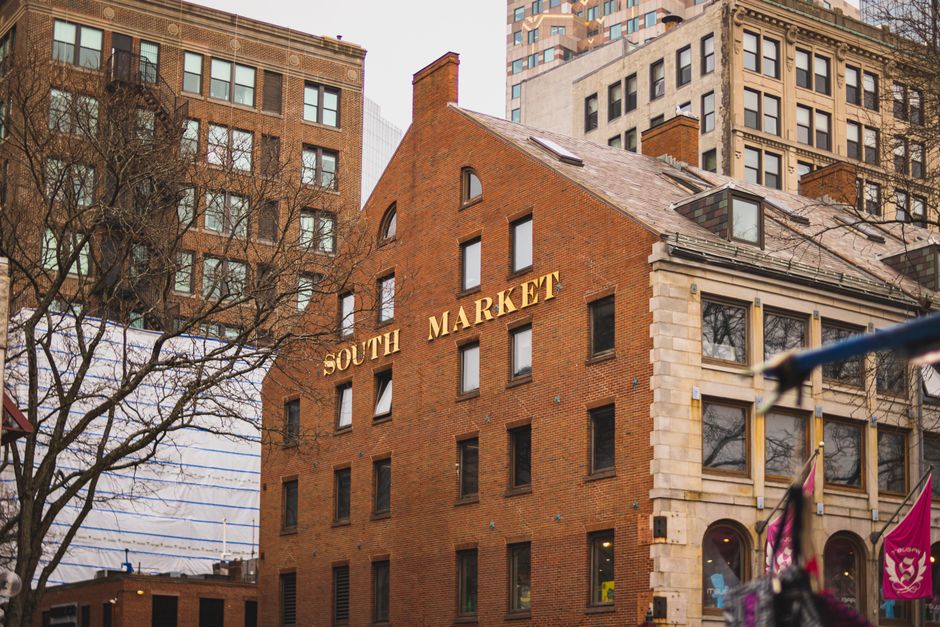
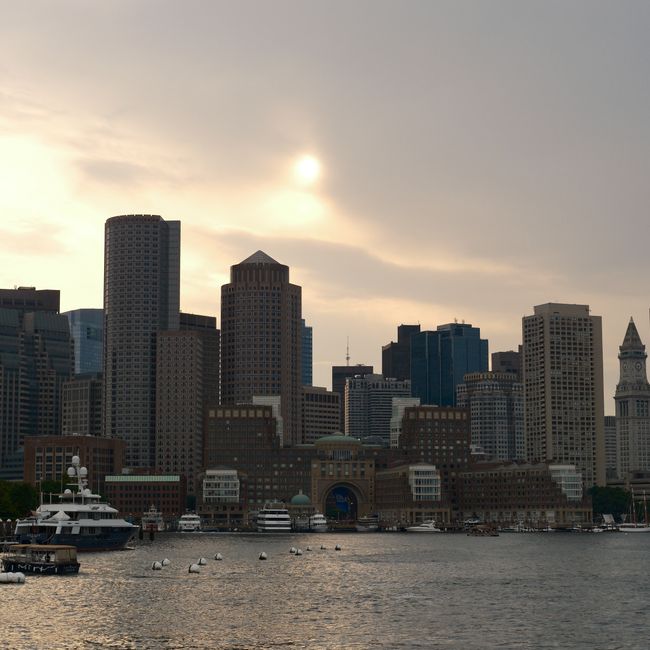
Last year, Greater Boston attracted approximately 28 million overnight visitors, according to preliminary data from the Greater Boston Convention & Visitors Bureau, generating an estimated $6.8 billion in direct spending. The numbers are accelerating. Hotels along the Waterfront and in Back Bay are operating at 85-plus percent occupancy, while attractions like the Museum of Fine Arts and Faneuil Hall Marketplace report visitor traffic up 12 percent year-over-year.
The surge is creating immediate labor pressures. Entry-level hospitality positions in Back Bay and the Seaport now routinely offer starting wages of $18 to $21 per hour—significantly higher than comparable roles elsewhere in the service sector. Housekeeping staff at major hotel properties can earn $50,000 to $55,000 annually with tips and incentives, drawing workers from adjacent industries and from across New England.
"We're seeing a talent reshuffling," says one Boston-area workforce development official. The effect is visible in neighborhoods. Longer Wharf and the Seaport District have attracted a younger demographic, with housing demand pushing rents upward and attracting retail and service workers willing to relocate for hospitality wages that outpace local averages.
But the shifts cut both ways. Retailers on Newbury Street and in the Theater District report difficulty filling positions as workers migrate toward hospitality's higher wages. Healthcare facilities and education institutions—traditionally Boston's largest employers—increasingly compete for administrative and support staff against hotels and tourism-adjacent businesses. Some employers have responded by raising salaries and improving benefits, while others have accelerated automation or reduced service hours.
The boom has also revitalized previously struggling commercial corridors. Charles Street in Beacon Hill and certain blocks along Hanover Street in the North End have seen restaurant openings and retail investments tied directly to tourism footfall projections. Real estate developers are now marketing residential projects with hospitality job proximity as a selling point.
As Boston's tourism economy continues its ascent—convention bookings remain strong through 2027, and new hotel projects are in development—the city's workforce landscape will likely continue shifting. For job seekers, the opportunity is real. For employers outside hospitality, the competition for talent has become an unarguable fact of Boston's current business environment.
This article was compiled by AI and screened before publishing. See our editorial standards.
How does this story make you feel?
Spread the word
About this article
Published by The Daily Boston
Daily brief
Free, in your inbox before 7am. Weekdays.
More in Business