The Boston office market is undergoing a profound transformation, and while it might seem like a story for real estate executives, the ripple effects are coming straight into your neighborhood, your wallet, and your daily life.
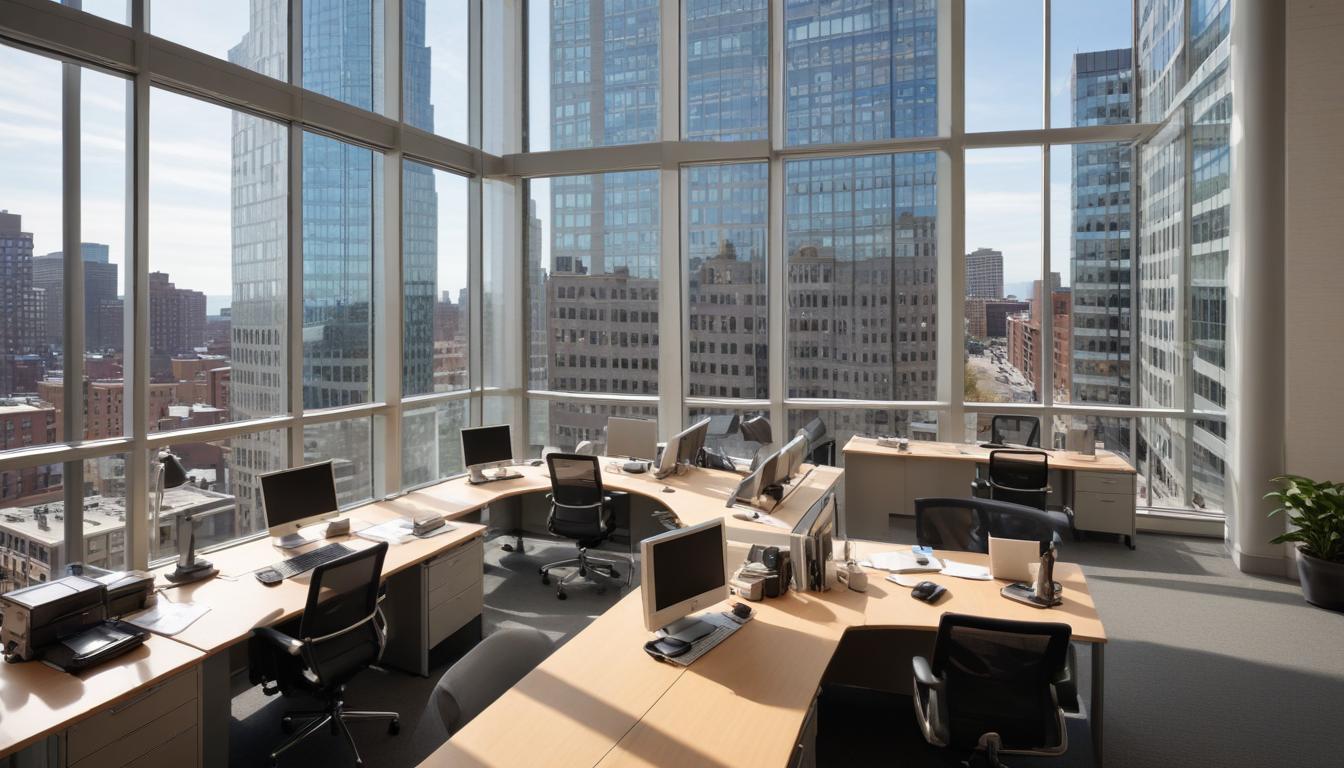
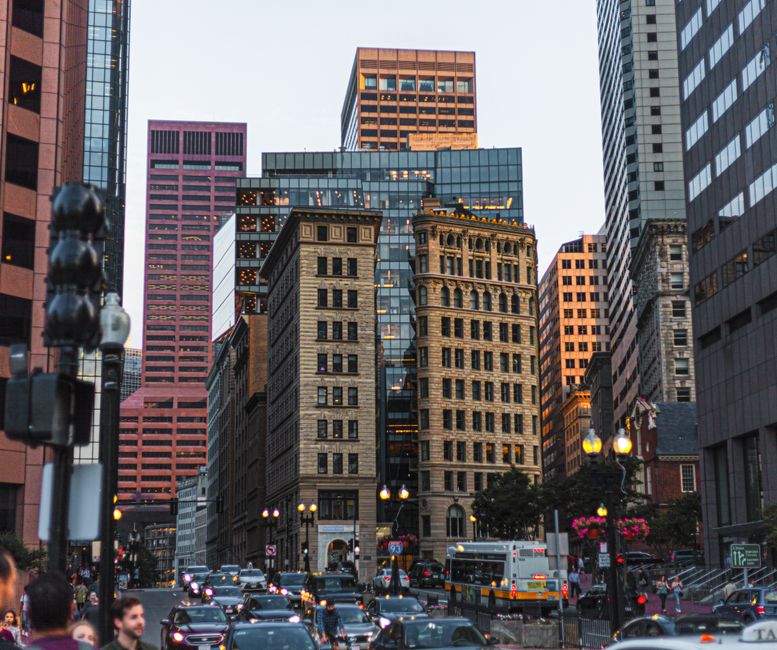
For months, headlines have focused on corporate consolidation and financial dealmaking. But beneath those stories lies a more immediate reality: downtown Boston's office vacancy rate has climbed to roughly 16 percent, the highest in nearly two decades. That's not abstract data. It means landlords along Federal Street and around the Financial District are scrambling to reinvent spaces, which is already reshaping what the city looks like and how much commercial tenants—and by extension, everyday residents—will pay.
Here's what matters to you. First, your rent. As office spaces sit empty longer, property owners are diversifying. Conversion to residential units is accelerating across the Back Bay and Downtown Crossing corridors. While new apartments might sound like housing relief, these conversions typically target higher income brackets. Early estimates suggest rents in converted office buildings on Devonshire Street and around Post Office Square are landing 15 to 20 percent above traditional residential stock. If you're renting in areas near these corridors, expect competition and upward pressure.
Second, your neighborhood's character. The Seaport District thrived on office growth over the past decade. Now, as some tenants consolidate or relocate, landlords are attracting retail, hospitality, and life sciences firms instead. That reshuffles foot traffic, local businesses, and even parking patterns. A coffee shop on Seaport Boulevard today might become biotech laboratory space tomorrow.
Third, your commute. Remote work adoption means fewer office workers, reducing peak-hour congestion on the Red and Orange Lines—welcome news. But it also means fewer customers for downtown shops and restaurants, potentially weakening the economic vitality that once made going to the office worthwhile beyond salary.
The underlying truth is this: commercial real estate is never purely commercial. Every office space conversion, every relocated headquarters, and every empty floor reshapes the city where residents actually live. Cambridge and Somerville are seeing similar patterns, with tech companies shrinking footprints after years of expansion.
The silver lining? This transition creates opportunity. Landlords desperate to fill space are more flexible on lease terms. Entrepreneurs and smaller firms are finding affordable opportunities downtown that were unthinkable three years ago. But for everyday residents, understanding these shifts helps you anticipate neighborhood change, plan your housing search, and recognize that your city's commercial landscape directly affects your quality of life.
This article was compiled by AI and screened before publishing. See our editorial standards.