How Global Upheaval Is Reshaping Boston's Cost of Living and Business Landscape
From Seaport office rents to North End restaurant supply chains, local enterprises are navigating a world of geopolitical risk and currency volatility.
From Seaport office rents to North End restaurant supply chains, local enterprises are navigating a world of geopolitical risk and currency volatility.

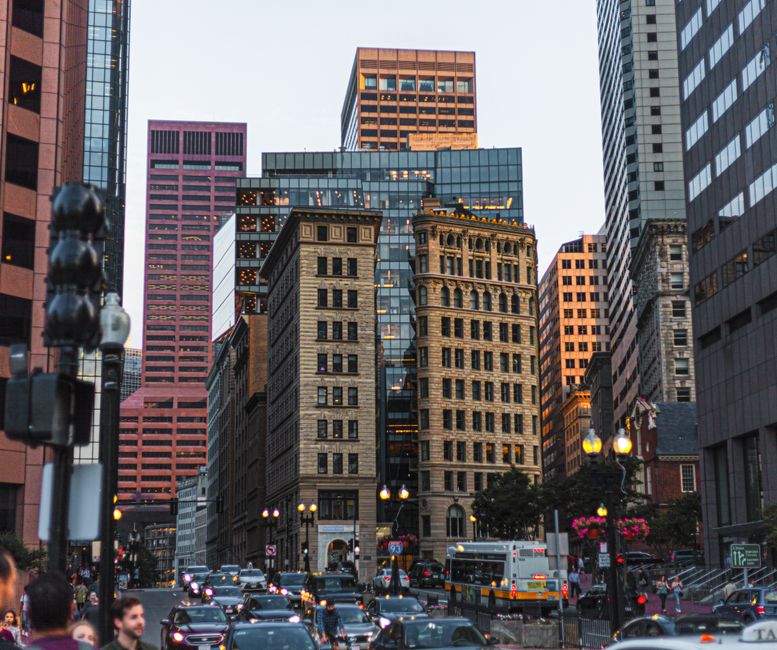
Boston's business leaders are increasingly forced to reckon with forces far beyond Newbury Street and the Financial District. The combination of Middle East tensions, Venezuelan economic collapse, and ongoing currency fluctuations is creating a complex web of challenges that directly affect everything from office occupancy rates to the price of a cappuccino in Back Bay.
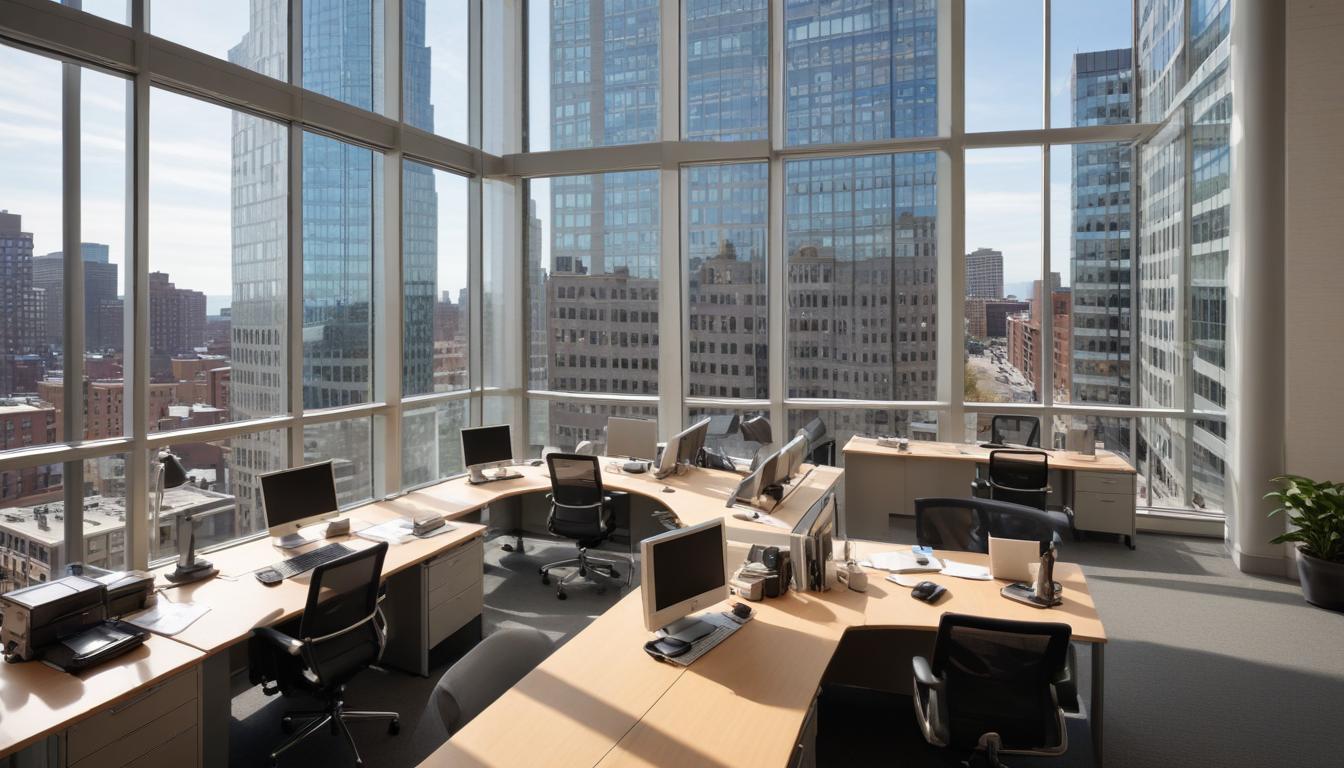
The most immediate pressure point is commercial real estate. Class A office space in the Seaport—Boston's gleaming business hub—commands $85 to $95 per square foot annually, up roughly 8 percent since 2024. Yet leasing velocity has slowed. Property managers attribute this partly to multinational firms reassessing their global footprints amid geopolitical uncertainty. "Companies are being more cautious about expansion commitments," says one Boston real estate advisory firm, noting that firms with significant Middle East operations or supply chain exposure are delaying decisions.
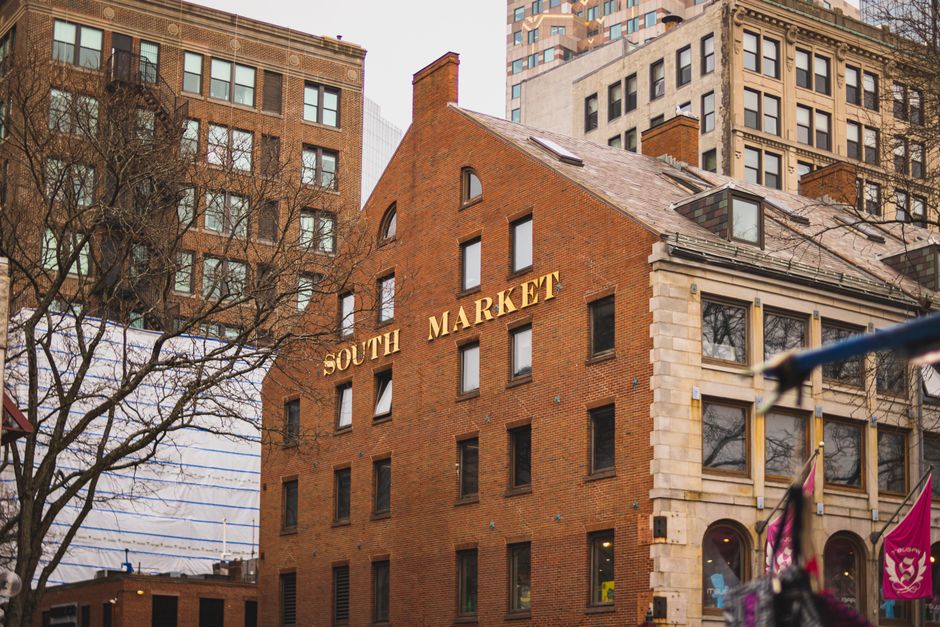
The hospitality sector offers another window into these global-local dynamics. Upscale restaurants along Atlantic Avenue and in the Beacon Hill neighborhood report rising food costs driven by disrupted shipping routes and currency headwinds. Venezuelan economic turmoil has rippled through agricultural commodity pricing, while tensions in the Strait of Hormuz have increased energy costs that translate into higher logistics expenses. A fine dining establishment near Faneuil Hall reports ingredient costs up 12 to 15 percent year-over-year.
Currency volatility also affects Boston's significant financial services and biotech sectors. Firms with international revenue streams—a defining characteristic of Boston's innovation economy—are grappling with unpredictable exchange rates. The strengthening dollar, while traditionally favorable for U.S. exporters, complicates life sciences companies with European operations or manufacturing dependencies.
Housing costs, already a defining Boston challenge, are further pressured by global capital flows. As international investors seek safe havens amid political uncertainty, demand for residential real estate in neighborhoods like the South End and Cambridge has remained robust, keeping prices elevated. Median home prices in the metro area hover near $550,000, with no relief in sight.
For smaller businesses—the backbone of Boston's local economy—the pressure is acute. A family-owned import business in the Leather District reports that shipping delays and route unpredictability have forced them to maintain higher inventory levels, straining cash flow. Meanwhile, tech startups in Kendall Square are reconsidering international hiring plans.
Boston's business resilience is well-documented, but this moment underscores a new reality: local economic health is inseparable from global stability. Companies that successfully navigate the next 12 months will be those agile enough to adapt to a fundamentally interconnected world.
This article was compiled by AI and screened before publishing. See our editorial standards.
How does this story make you feel?
Spread the word
About this article
Published by The Daily Boston
Daily brief
Free, in your inbox before 7am. Weekdays.
More in Business