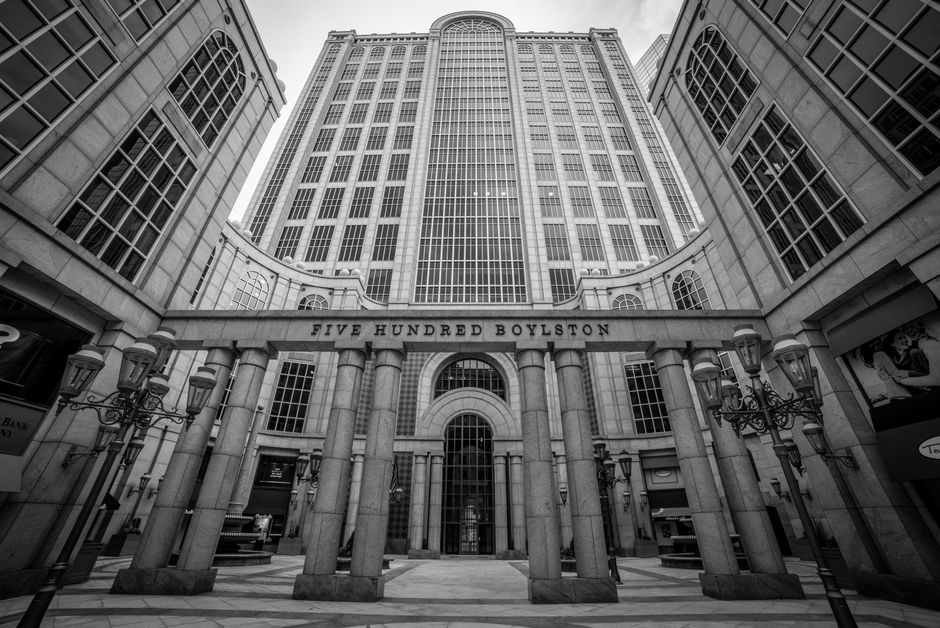
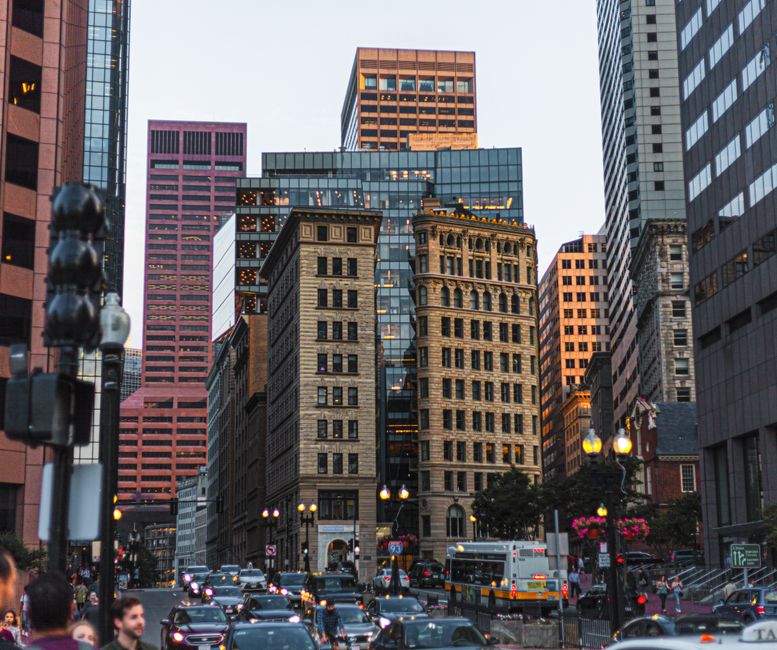
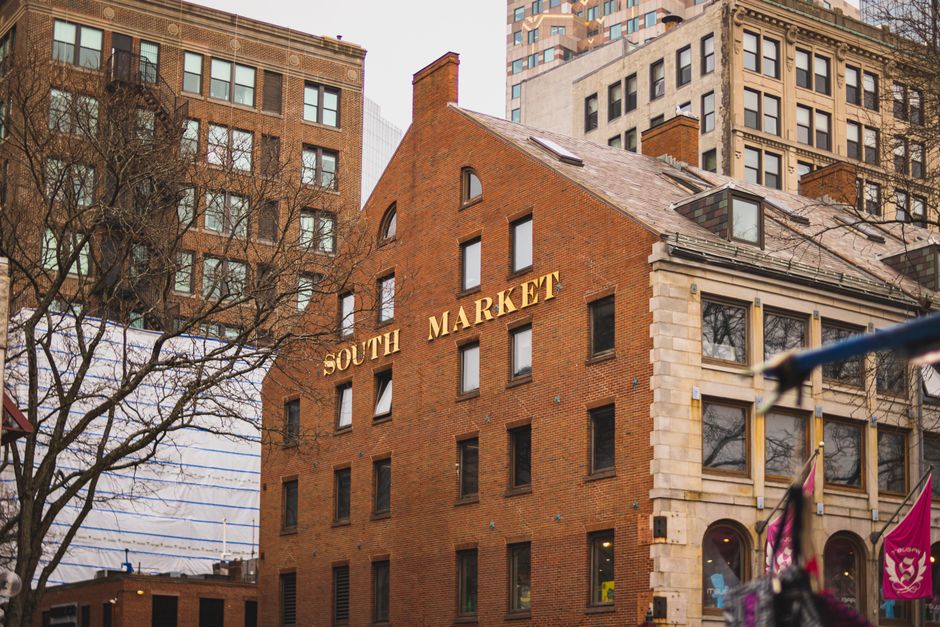
Boston's gleaming startup ecosystem—long a jewel in the city's economic crown—is showing serious cracks as 2026 unfolds. Venture capital investments in Massachusetts have contracted sharply compared to 2024's highs, according to preliminary data from regional investment groups, while landlords in the Seaport District are quietly renegotiating lease terms as demand softens for premium office space.
The headwinds are unmistakable. Downtown Boston's biotech corridor, which has anchored the region's innovation narrative for decades, faces slowing clinical trial pipelines and regulatory pressure. Meanwhile, the clustering effect that once made Cambridge and the Seaport magnetic for entrepreneurs—proximity to MIT, Harvard, top talent—is losing its gravitational pull against the combined forces of rising rents and remote work flexibility.
"We're seeing companies hold cash longer before making hiring decisions," explains one East Boston-based venture partner, speaking candidly but not for attribution. Office availability in the Seaport has jumped to levels unseen since 2020, with sublease space advertised weekly across the Innovation and Design Building on Hanover Street.
The numbers tell a sobering story. Commercial real estate brokerage data shows office vacancy rates in Boston's innovation districts edging toward 15 percent, while median startup employee salaries have compressed as companies tighten belts. Simultaneously, young engineers and product managers are departing for Austin, Denver, and Miami—cities with lower cost-of-living and less bureaucratic friction.
Larger structural issues compound the challenge. Massachusetts faces a persistent talent shortage in software engineering even as demand weakens. Early-stage funding—the lifeblood of founders—has become more selective and conservative. The state's historically strong life sciences sector, anchored by institutions like Mass General and the Broad Institute, offers fewer obvious commercial opportunities in an era of patent exhaustion and pricing pressure on therapeutics.
Yet Boston's ecosystem isn't collapsing—it's consolidating. Stronger founders are raising capital, albeit at lower valuations and longer fundraising timelines. Established accelerators like MassChallenge continue operating at full tilt, though application quality has shifted. The startup community's survival instinct is kicking in: networking events on Lansdowne Street remain packed, and the region's institutional capital—pension funds, university endowments—continues backing local talent.
Still, the moment demands humility. Boston's startup scene built its reputation on sustained momentum. The city cannot assume that advantage persists when Texas is cheaper, California still dominates consumer tech, and investors are rationing capital. How the region adapts to this new reality will define its competitive position for the next decade.
This article was compiled by AI from the sources linked above and screened before publishing. See our editorial standards.